The National Park of American Samoa invites you to discover the vibrant culture and stunning landscapes of the South Pacific. Experience a world unlike any other, where natural beauty and cultural heritage are protected for future generations. Join us in exploring these islands of sacred earth!
8.3Kacres of parkland
43.3Krecreation visits, 2025
Jul · Aug · Sepnearby climate picks
Seasonal access & reservations
No reviewed guidance for this selection. Check the park's official planning pages; missing coverage does not establish access.
Selected guidance only; separate from climate comfort and current conditions.
Official conditions Not checked
The conditions feed has not been connected for this park.
Editorial recommendations, reviewed 2026-10-17. Full park days, excluding travel to and from the region. A first-visit outline for a general traveler; adapt to mobility, fitness, season, reservations, and current conditions. These are suggested days, not reserved activities or guaranteed routes.
Official NPS features and USGS park boundaries, imported 2026-10-17. An inventory snapshot, not live trail or parking availability.
Loading official park features…
TrailsPoints of interestParkingZoom with buttons or pinch. Toggle layers on the map.
Map coverage varies. Trail names may represent segments, connectors, or shared park units; mapped lines are not a hiking recommendation. Use official conditions and navigation resources before heading out.
NPS public GIS inventory, imported 2026-10-17. “Existing” is an inventory classification, not confirmation that a trail is open. Segment counts are not route distances. Parking records do not indicate space availability, fees, or accessibility certification. View government source ↗
Climate for Pago Pago, 4 km from the park reference point. 1991–2020 normals. Source elevation: 2 m.
Daytime highNighttime lowOctober: 81° / 78°
Daytime high81°
Precipitation193 mm
Daylight12.3 hrs
Wind22.8 km/h
Mountain, rim, valley, and coastal conditions can differ sharply from the source town. Check park forecasts and current conditions before travel.
Monthly climate data 12 months · °F
Month
High
Low
Rain / snow water
Wet days
Daylight
82°
79°
361 mm
26.1
12.8 h
82°
79°
291 mm
23.9
12.5 h
82°
79°
251 mm
25.6
12.1 h
82°
79°
205 mm
23.7
11.7 h
82°
79°
191 mm
21.6
11.3 h
81°
79°
115 mm
18.3
11.2 h
80°
78°
107 mm
17.5
11.2 h
80°
78°
92 mm
16.3
11.5 h
80°
78°
119 mm
17.9
11.9 h
81°
78°
193 mm
20.6
12.3 h
82°
79°
231 mm
23.7
12.7 h
82°
79°
309 mm
24.9
12.8 h
RESEARCH WITH THE SOURCE IN VIEW
The practical field guide.
Official NPS excerpts imported 2026-10-17. Fees, permits, road access, and operations can change; use the source link to confirm the latest information.
As you explore the beauty of the National Park of American Samoa, please be aware of the tropical climate. The long, wet summer season (October to May) brings frequent rain showers and the potential for tropical storms, while the cooler, drier season (June to September) offers more temperate weather. Rainfall varies from 125 inches in the drier areas to up to 300 inches in the highest mountains.
Respect the Fa'asamoa – The Samoan Way
To honor local customs, here are a few important cultural guidelines:
Always ask for permission before taking photos, using the beach, or engaging in activities, especially in villages. Permission is usually granted, but asking is a sign of respect.
Sunday is sacred : It is reserved for church, rest, and quiet. Activities like swimming, which may be acceptable on other days, are often not permitted on Sundays.
Inside a traditional fale (home) : Sit down on the floor before speaking, eating, or drinking. Be sure to cross your legs or cover them with a mat—it's considered impolite to stretch out your legs.
Do not eat or drink while walking through a village.
Sā (evening prayers) : Around dusk, villagers pause for prayers. If you're entering a village during Sā, stop and wait quietly. You might even be invited to join in. It's not necessary to stop for Sā on main roads.
Sharing 'ava : If you're invited to share this traditional drink, spill a few drops on the ground as a sign of respect before raising your cup and saying “manuia” (mahn-WE-ah).
Safety and Precautions
The tropical sun is intense! Wear sunglasses, sunscreen, a hat, and protective clothing.
Carry insect repellent to avoid bites.
Always snorkel with a partner and be cautious on beaches—watch for falling coconuts and changing tides.
Avas (tidal outflows) can be dangerous—stay aware of the currents and undertows.
Walking on coral rubble beaches can be tricky, and rocky areas may be slippery—take care.
Before hiking, ask the Visitor Center about trail conditions and never hike without water —carry two to three liters per person.
Be mindful of coral : Don't touch it, as cuts from coral can take a long time to heal.
Beware of dogs, as bites are not uncommon.
Medical care is available on Tutuila, but services are more limited on the Manu’a Islands. Bring any necessary medications with you.
Enjoy your adventure while respecting both the culture and the natural environment—your experience will be all the richer for it!
Accessibility at the National Park of American Samoa
While the National Park of American Samoa offers stunning landscapes and unique cultural experiences, accessibility is somewhat limited due to the rugged terrain and underdeveloped infrastructure.
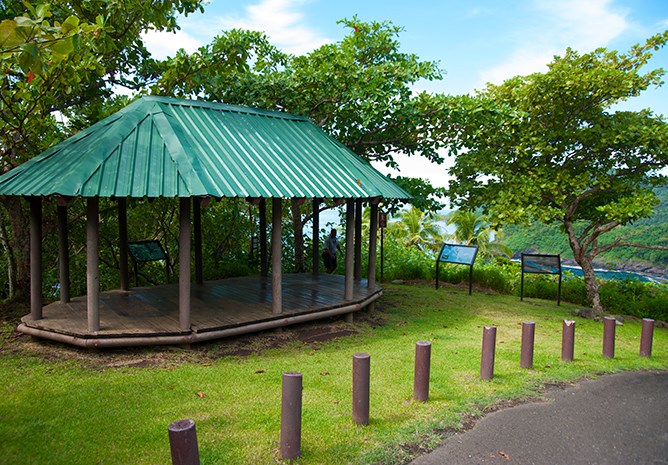
Scenic Overlooks : The Lower Sauma Ridge overlook is accessible with assistance, offering a beautiful vantage point for visitors. However, no other developed pullouts or overlooks are currently available, and most trails remain steep, rugged, and unimproved .
General Accessibility : The territory as a whole is underdeveloped for accessibility , which may present challenges when traveling around the island. Visitors should plan accordingly and be prepared for uneven terrain and limited facilities in remote areas.
Visitor Center and Restrooms : The visitor center and its restrooms are accessible, ensuring that visitors can still enjoy educational resources and basic facilities during their trip.
An entrance pass is not required to access National Park of American Samoa .
Other National Park Service sites may require an entrance pass or fee. Depending on your trip plans, an interagency pass may save you money.
2026 Free Entrance Days in the National Parks
Come experience the national parks! All National Park Service sites that charge an entrance fee will offer free admission to US citizens and residents (other fees, including timed entry or reservation fees, may apply). Mark your calendar for these entrance fee-free dates:
February 16 : Presidents Day (Washington's Birthday)
May 25 : Memorial Day
June 14: Flag Day/President Trump's birthday
July 3–5: Independence Day weekend
August 25: 110th Birthday of the National Park Service
The National Park of American Samoa is a stunning destination with rich natural beauty, but it's important to take certain precautions to ensure a safe and enjoyable experience. Here are key safety and health guidelines for your visit:
General Safety on the Island
American Samoa is generally safe with friendly locals, but as with any destination, practicing basic safety measures is important.
Crime : The crime rate is low, but secure your belongings and remain mindful in less populated areas.
Emergency Services : Available on the island, but response times may be slower in remote locations. Keep emergency contacts handy.
Weather and Natural Hazards
Tropical Storms : Be aware of tropical storms, especially during the rainy season (November to May). Follow local advisories and safety instructions.
Heat and Humidity : The tropical climate can be intense. Stay hydrated, wear sunscreen, and take frequent breaks in shaded areas.
Flooding and Landslides : Heavy rains may lead to localized flooding or landslides. Avoid flooded areas and check trail conditions before hiking.
Visitor Precautions
Solar Radiation : The tropical sun is strong. Wear sunglasses, sunscreen, a hat, and protective clothing to avoid sunburn.
Insect Protection : Carry insect repellent to protect yourself from mosquitoes, which can carry diseases like dengue fever.
Snorkeling Safety : Always snorkel with a partner for safety. Avoid swimming alone, and be mindful of strong currents.
Falling Coconuts : When relaxing on the beach, avoid sitting directly under palm trees to avoid injury from falling coconuts.
Tidal Movements and Avas : Watch out for tidal movements and dangerous avas (tidal outflows). These strong currents can be hazardous, so remain alert.
Coral Rubble and Rocky Beaches : Walking on coral rubble can be tricky, and rocky beaches can be slippery. Wear appropriate footwear and tread carefully.
Trail Conditions : Before hiking, check trail conditions with the visitor center to ensure a safe experience.
Hydration : Stay hydrated when hiking, carrying at least two to three liters of water per person.
Coral Safety : Avoid touching coral while snorkeling or walking along the beach, as coral cuts can take a long time to heal.
Stray Dogs : Be cautious around stray dogs, as they may bite. Avoid approaching unfamiliar animals.
Medical Treatment : Basic medical services are available on Tutuila , but if you have serious medical needs, be prepared to seek care outside of the islands.
Ocean and Hiking Safety
Rip Currents : Rip currents and strong waves are common, especially during stormy weather. Swim in designated areas and be cautious of ocean conditions.
Marine Life : Beware of jellyfish, sea urchins, and coral while swimming or snorkeling. Wearing protective footwear can prevent injuries.
Hiking Trails : Many trails are steep and can become muddy after rainfall. Wear sturdy boots and consider using walking sticks for stability.
Health Considerations
For generally healthy individuals, there are few major health risks when visiting American Samoa, but keep the following in mind:
Bring Necessary Medications : Pack all necessary medications, especially if traveling to the more remote Manu'a Islands, where medical care is limited.
Medical Facilities : The LBJ Tropical Medical Center on Tutuila provides basic services but may not have the capacity to handle serious medical issues. For major emergencies, care should be sought in Hawaii, Australia, or New Zealand .
Mosquito-Borne Illnesses : Mosquitoes can carry dengue fever and chikungunya . Use insect repellent and wear long sleeves and pants to minimize bites.
Cultural and Modesty Guidelines
Dress Modestly : Visitors should wear modest clothing, especially in villages and public areas. Avoid bikinis or brief swimwear in public places.
Lavalava : For a more authentic experience, consider wearing a lavalava , a traditional skirt-like garment worn by both men and women. These are available in local stores and are comfortable in the tropical climate.
The National Park of American Samoa offers a variety of hikes for all skill levels, ranging from easy strolls along the beach to challenging treks through tropical rainforests and up steep ridges. These trails provide incredible opportunities to experience the park's natural beauty, wildlife, and cultural history. Whether you're seeking solitude, interested in spotting tropical birds, or looking to explore historical landmarks, there's a hike that suits every interest.
Explore tropical rainforests, coastal cliffs, secluded beaches, and panoramic mountain vistas. For more detailed trail information and options across American Samoa's islands, check out our Day Hikes Brochure . This guide includes maps, descriptions, distances, and difficulty levels for hikes throughout the park, ensuring that you can find the perfect adventure.
Important Information for Hikers
Cultural Respect : American Samoa is a modest society, so please dress appropriately when hiking. Avoid revealing clothing like bikinis or brief-style trunks.
Permission and Fees : Some trails, especially those on private land, require permission from local families, and a small fee may be charged.
Safety First : Always be aware of slippery conditions, dangerous currents near coastal areas, and unpredictable weather. Check marine and weather forecasts before setting out on your adventure.
Whether you're looking for a peaceful stroll or a heart-pounding adventure, the National Park of American Samoa offers hikes that cater to all abilities. Experience the natural beauty and historical significance of these islands, and find a hike that speaks to you.
Trail Conditions
Terrain Details : The trails in the National Park of American Samoa vary in difficulty, from easy, flat paths to steep and rugged terrain. Many trails, such as Pola Island Trail, are short and relatively flat, making them suitable for casual hikers. On the other hand, challenging trails like the Mount ‘Alava Adventure Trail require navigating ladders and steep ridgelines, where hiking boots with good traction are essential. Some trails, particularly after rain, may become muddy or slippery, so plan accordingly.
Elevation Gain : Shorter trails like Lower Sauma Ridge Trail offer a modest elevation gain with a gentle incline. Check trail descriptions for specific elevation details to assess the level of physical exertion required.
Weather Conditions : Tropical weather in American Samoa can be unpredictable, with sudden rain showers and intense sun. Slippery conditions are common after rain, especially on rocky or forested trails like Tuafanua Trail, so hiking poles and sturdy footwear are recommended for such routes. Morning hikes are typically cooler and more pleasant.
Stay Hydrated : Bring plenty of water, especially for longer hikes like the Mount ‘Alava Trail or Si’u Point Trail . Due to the tropical climate, dehydration can happen quickly, so plan for more water than you might usually carry.
First Aid and Emergencies : It’s a good idea to carry a small first-aid kit for minor injuries such as scrapes or blisters. Cell phone reception may be limited in remote areas, so let someone know your hiking plan before heading out, and familiarize yourself with the nearest park ranger stations or local help points.
Wildlife Awareness : While hiking, you may encounter wildlife such as fruit bats, seabirds, or crabs along coastal trails. Respect these animals by observing from a distance and avoiding loud noises or disruptions. In some cases, like on the Pola Island Trail , nesting areas for birds are protected, so stay on designated paths.
Trail Markings and Navigation : Some trails are well-marked with signs and colored blazes, such as the Blunts Point Trail , but others may be less defined, especially on private lands. A physical map or GPS is recommended for longer or more remote hikes. Guides are also available for Manu’a Island trails.
Group Safety : For challenging hikes such as the Mount ‘Alava Adventure Trail , hiking in a group is advised. The ladders and steep terrain can be difficult, and having companions ensures help is available if needed.
Permits and Regulations
Cultural Protocols : Many trails in American Samoa pass through or near villages and private land. Before hiking, always ask for village permission, especially on trails such as the Fagatele Bay Trail and Oge Beach Trail . It’s common to pay a small fee to the landowners.
Hiking Permits : Most trails within the national park don’t require permits, but when hiking on private lands, it’s important to check for local regulations or fees. Always respect local customs, especially on Sundays when some areas may be closed to visitors.
Wildlife and Conservation Rules : Stick to the marked trails to minimize your impact on the environment. Avoid disturbing wildlife, and follow Leave No Trace principles by packing out all trash and avoiding any damage to the natural landscape.
Gear Recommendations
Sun Protection : With little shade on many of the coastal trails, especially on hikes like Le’ala Shoreline Trail , bring sunscreen, a hat, and sunglasses to protect against the intense tropical sun.
Rain Gear : Lightweight, breathable rain gear is essential, particularly during the rainy season when tropical showers can catch hikers off guard. Waterproof jackets and pack covers are useful on longer trails like Mount ‘Alava Trail .
Insect Repellent : Mosquitoes and other insects are common in tropical areas, so be sure to apply insect repellent before heading out on hikes, particularly in dense forests like those on the Tumu Mountain Trail .
Hiking Poles : Poles are recommended for trails with steep inclines or descents, such as the Tuafanua Trail , which involves navigating ladders and ropes down to a rocky beach.
Best Times to Hike
Seasonal Recommendations : The best time to hike in American Samoa is during the dry season, from May to October. The trails are more manageable, and temperatures are slightly cooler. However, even during the dry season, rain showers can occur, so always come prepared.
Times of Day : Early morning hikes are recommended to avoid the midday heat. Trails like Pola Island and Lower Sauma Ridge offer the best light and cooler temperatures in the morning, while the panoramic views on Mount ‘Alava are particularly stunning at sunrise.
Sustainability and Leave No Trace Principles
Leave No Trace : Respect the natural beauty of American Samoa by following Leave No Trace principles. This includes staying on designated trails, packing out all trash, and avoiding interference with wildlife or plants. Be especially mindful on coastal and rainforest trails, where fragile ecosystems thrive.
Conservation Initiatives : Consider supporting local conservation efforts by participating in park clean-up activities or learning more about how the park protects native species and habitats. Visitor centers often provide information on how you can help.
Accessible Trails : While most trails in the National Park of American Samoa are natural and may not be accessible to all visitors, there are shorter, flatter options such as the Pola Island Trail that may be suitable for those looking for a less strenuous experience. Check with the park visitor center for further details.
Facilities : Restroom facilities are available at some trailheads, such as near Vatia Village and Pago Pago Harbor , but they are limited on more remote trails. Plan accordingly.
Hiking with Kids or Pets
Kid-Friendly Trails : Shorter, easier hikes like the Lower Sauma Ridge Trail or Blunts Point Trail are great options for families with children. They offer cultural learning opportunities along with manageable distances and moderate inclines.
Pets : Check with park authorities regarding pets. While some trails may allow dogs on leashes, it's important to follow regulations, especially near wildlife-sensitive areas or private land.
American Samoa enjoys a warm, humid, and rainy climate year-round . The island experiences two main seasons:
A long, wet summer season from October through May , and
A slightly cooler, drier season from June through September .
Located in the South Pacific Ocean between the Equator and the Tropic of Capricorn , American Samoa has a tropical climate .
Temperatures are consistently warm to hot year-round , ranging from the high 70s to low 90s Fahrenheit .
Humidity is high throughout the year.
Rain showers are frequent and can vary greatly in duration, from just a few minutes to an all-day downpour.
Annual rainfall is substantial:
Drier areas of the island receive an average of 125 inches of rain per year,
While the highest mountains can receive up to 300 inches annually.
Tropical storms are more common during the rainy season (November to May), bringing additional weather variability to the region. Current Weather: National Weather Service
Current Weather and Webcam: Ofu Ranger Station (Manu'a Islands)
Plan to dress lightly .
Casual summer clothing like sandals, shorts, and short-sleeved shirts are suggested.
Rain gear is always a good idea, but keep in mind the high humidity—you may get just as wet wearing a raincoat as going without one!
If you plan to hike in the park , wear sturdy boots . The trails can be muddy and slippery .
Bring your own snorkel equipment if you plan to explore the underwater world.
For a closer connection to the local culture, you might want to try a lavalava , a traditional skirt-like garment worn by both men and women in various styles and lengths. Lavalavas are available at many local stores and are a comfortable option in the tropical climate.
Cultural and Modesty Guidelines
Please wear modest clothing during your visit. Bikinis and brief-type swimwear are not recommended in public areas, as local customs call for more conservative attire.
A FEW REASONS TO GO
A closer look.
8 official park photos
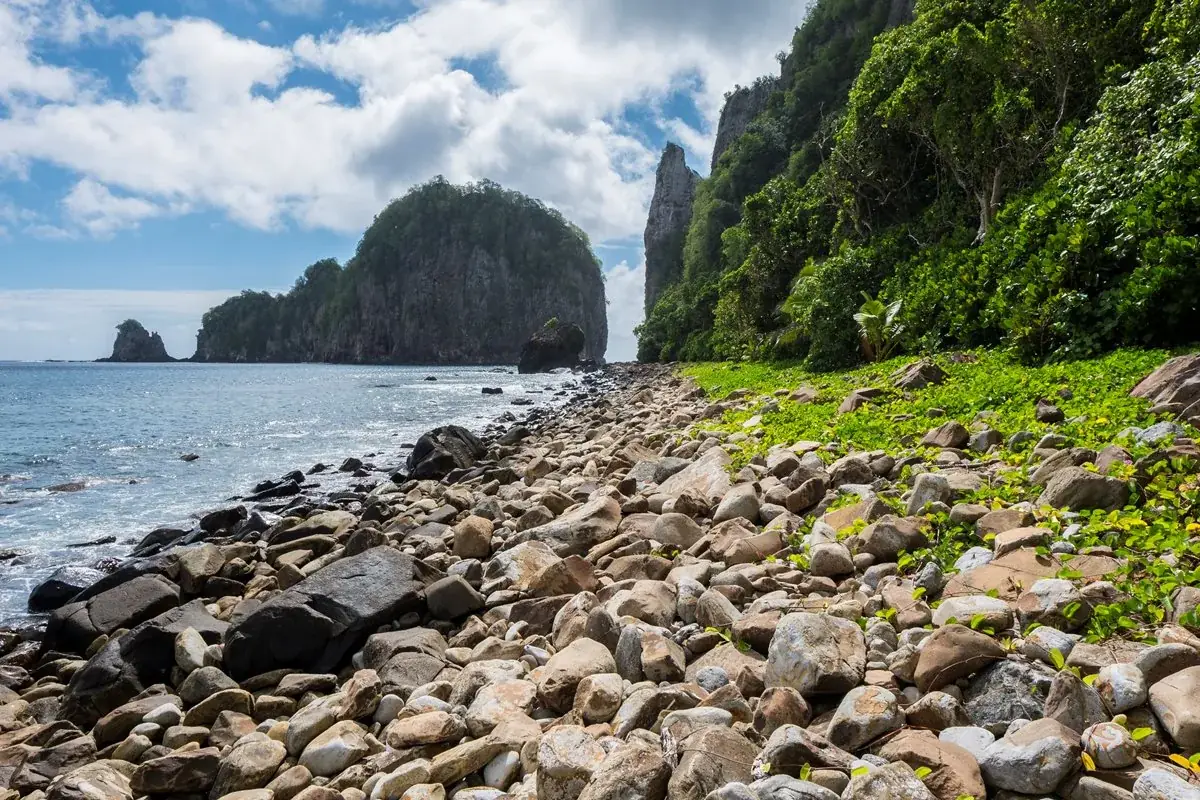
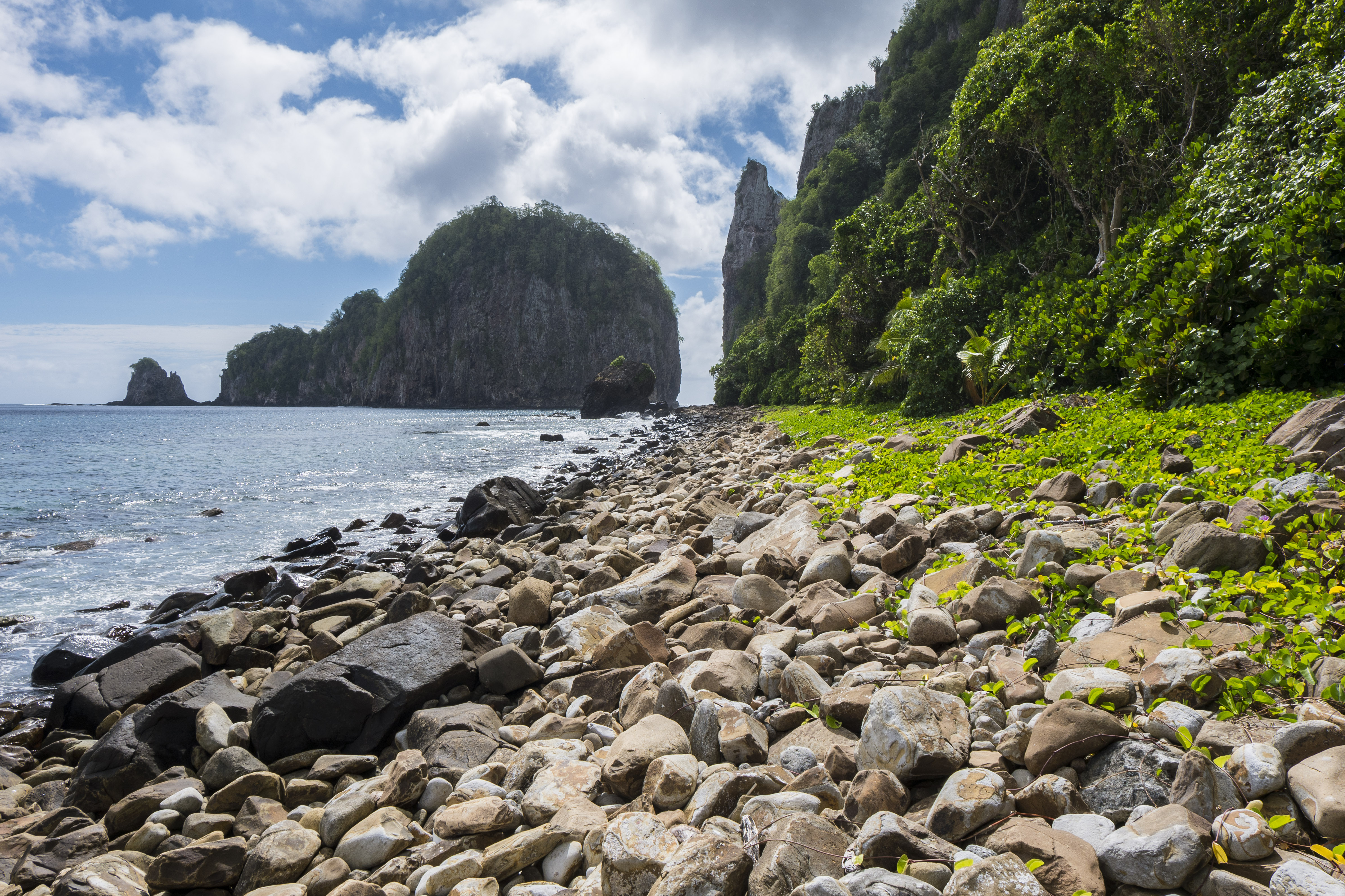
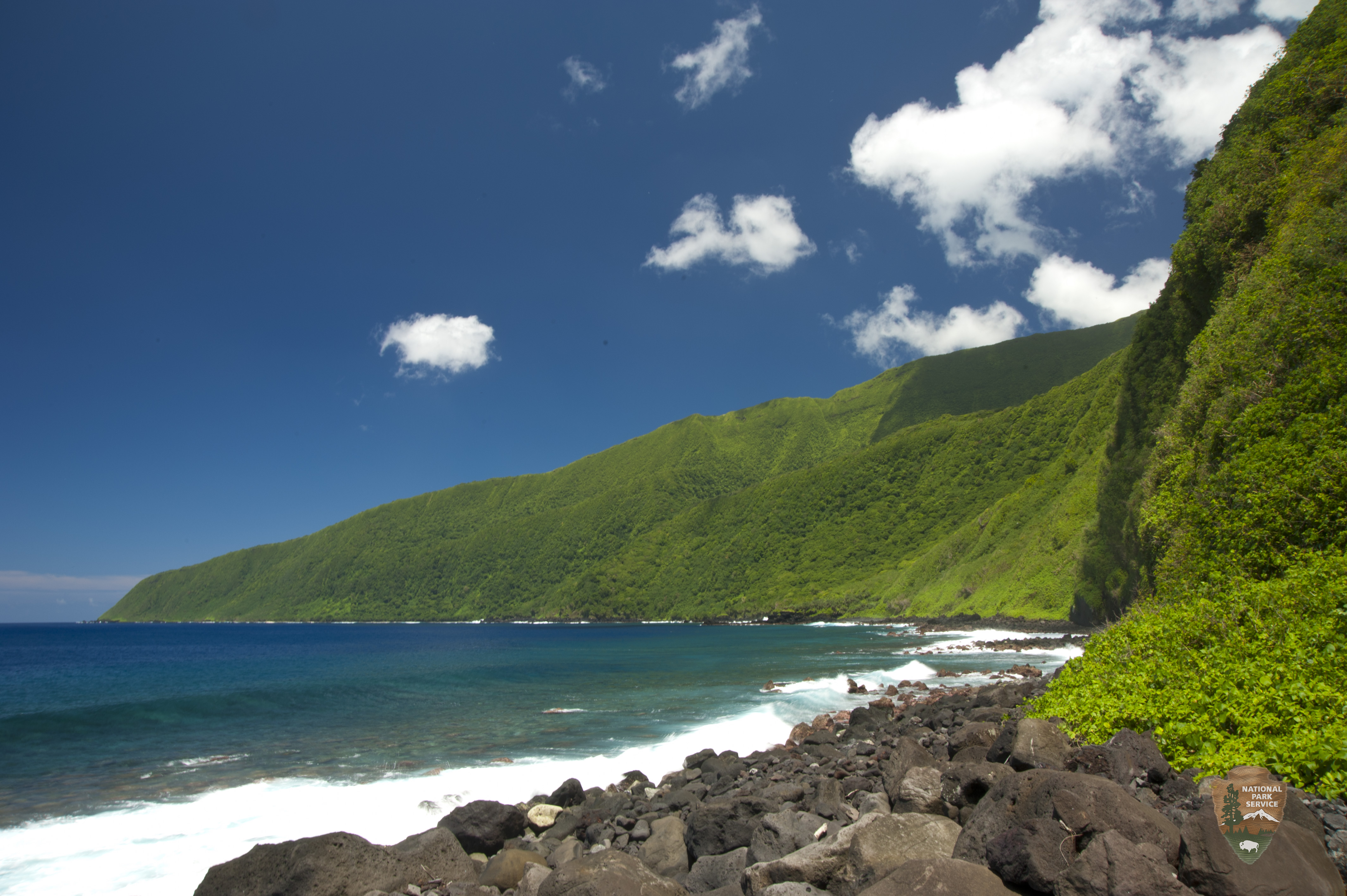
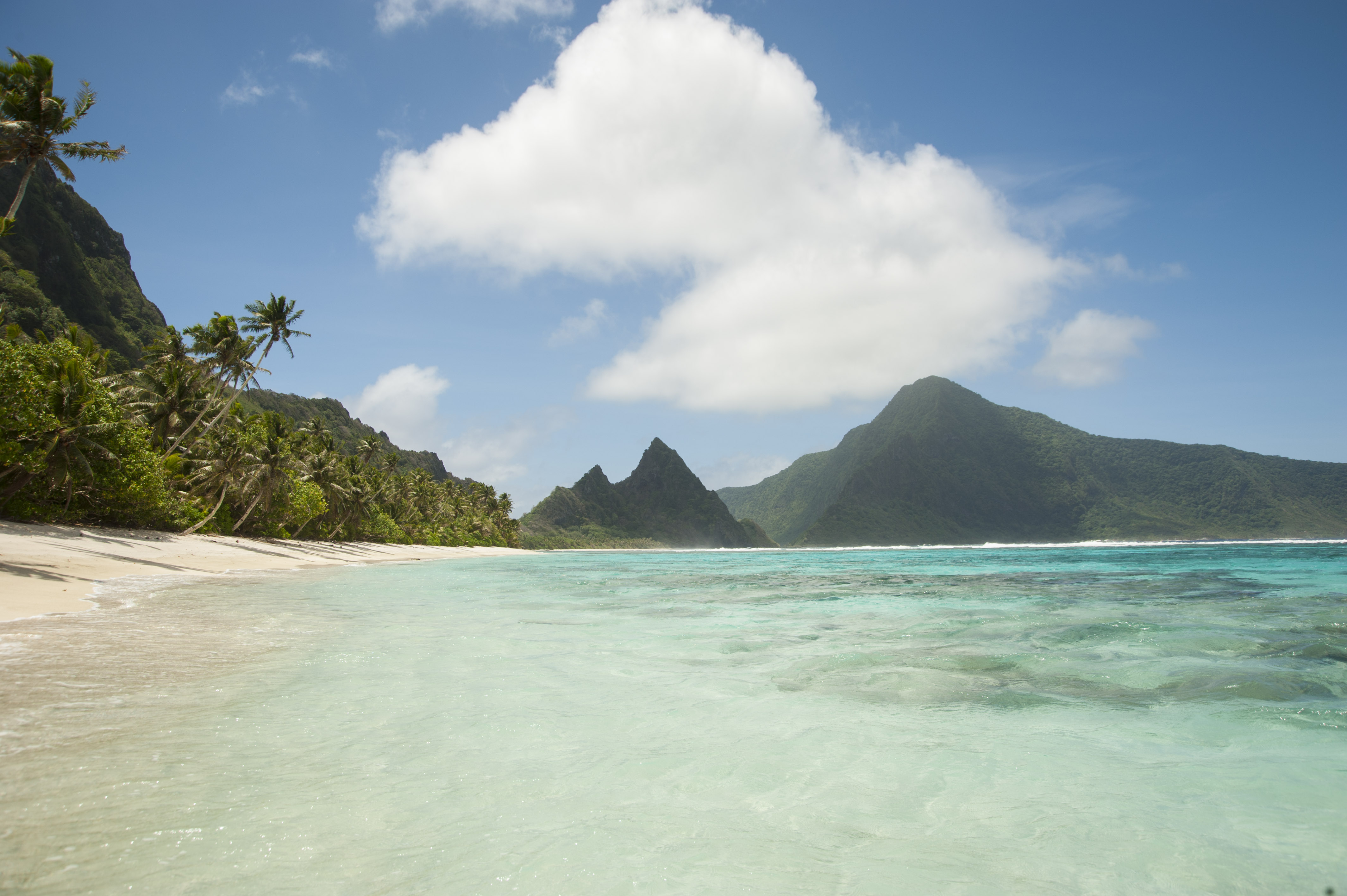
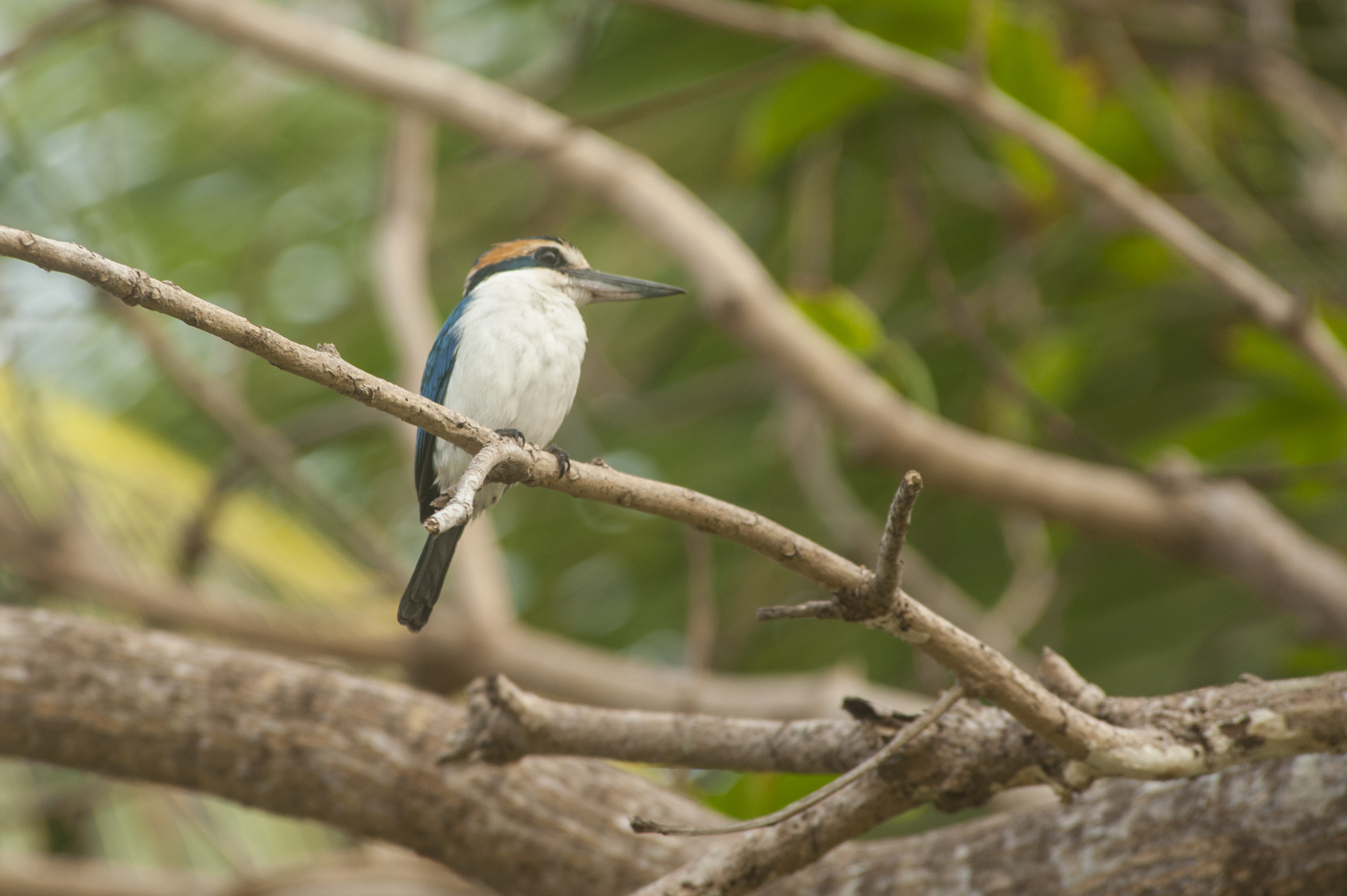
Pola Island rises over 400 feet straight out of the ocean off Tutuila. A short walk from Vatia village, Pola is an ideal nesting site for many species of seabirds.NPS Photo / Michael Larson Images link to the original government source.Si'u Point is a good place to view the south coast of Ta'u. some of the tallest sea cliffs in the world stairstep over 3,000 feet to the summit of Lata Mountain.NPS Photo / Michael Larson With a secluded sandy beach and fringing reef, Ofu unit of the park is an ideal place to snorkel or simply enjoy the solitude. The island of Olosega rises in the distance.NPS Photo / Eymard Bangcoro Birds are the most abundant and diverse animals in American Samoa, as they are on most oceanic islands.NPS Photo / Eymard Bangcoro Lower Sauma Ridge TrailheadNPS photo. Fringing reefs of Manu'a islandsNPS Hiking trail sign over at Lower Sauma ridge.NPS photo. Pola Island. This captivating scene showcases the rugged beauty of the National Park of American Samoa, where the lush, green cliffs dramatically meet the vibrant blue ocean along a rocky, pebbled shoreline.NPS
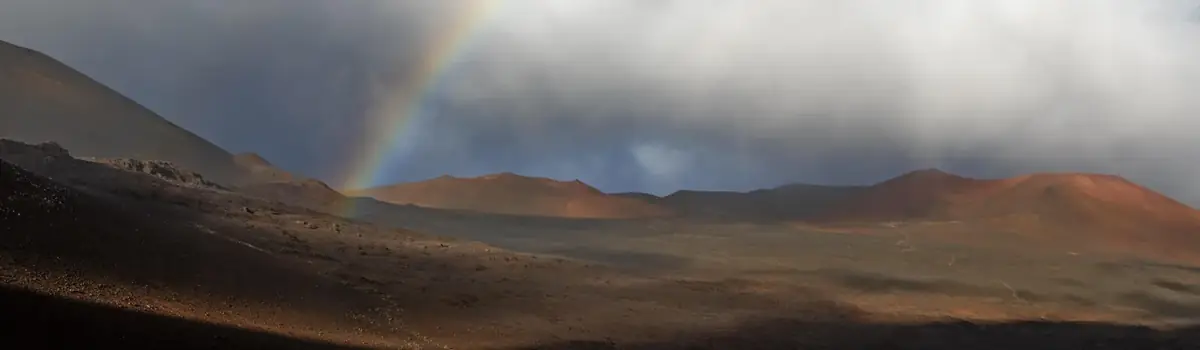
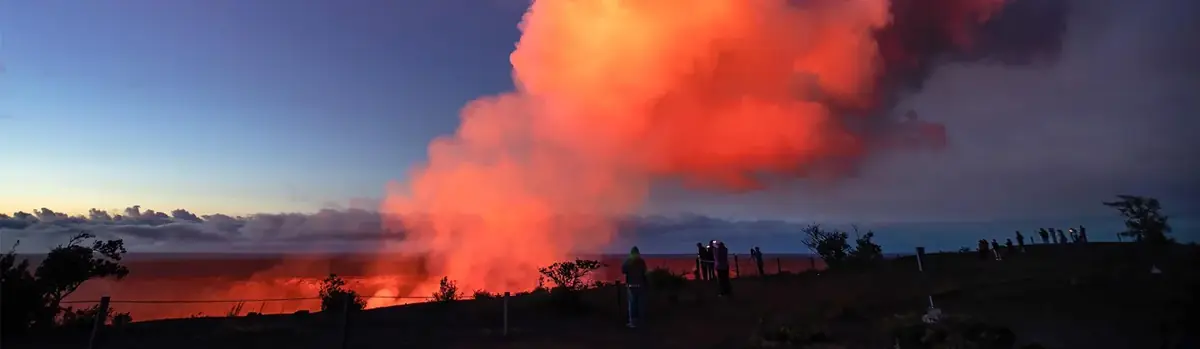
Hawai‘i Volcanoes National Park protects some of the most unique geological, biological, and cherished cultural landscapes in the world. Extending from sea level to 13,680 feet, the park encompasses the summits of two of the world's most active volcanoes - Kīlauea and Mauna Loa - and is a designated International Biosphere Reserve and UNESCO World Heritage Site.
This special place vibrates with stories of ancient and modern Hawaiian culture and protects the bond between the land and its people. The park also cares for endangered species, some of which exist nowhere else. Come visit this special place - renew your spirit amid stark volcanic landscapes and sub-tropical rain forest with an unforgettable hike through the backcountry.
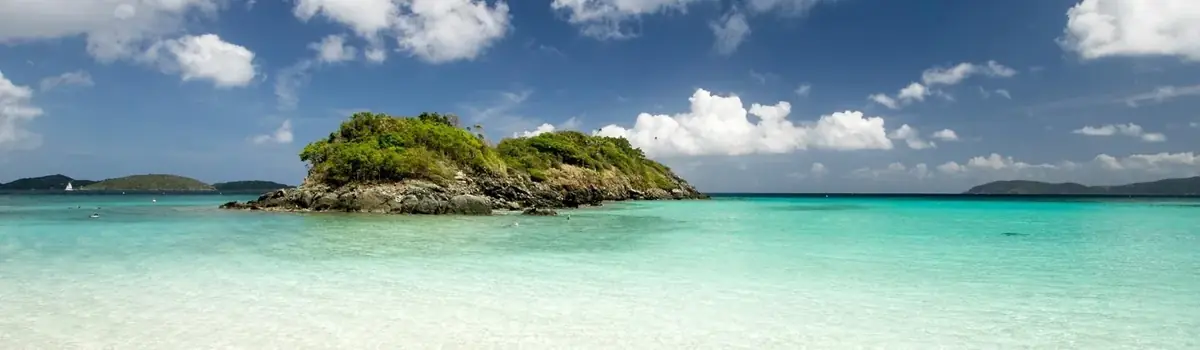
Go beyond Virgin Islands National Park's stunning white-sand beaches. Hike to historic plantation sites to learn about a challenging past when sugar and enslaved labor dominated life on the island. Visit the Indigenous Taino's ancient petroglyphs. Snorkel coral reefs to discover hidden marine life. Two-thirds of the island of St. John is national park, making it a unique destination for visitors.


 Volcanic