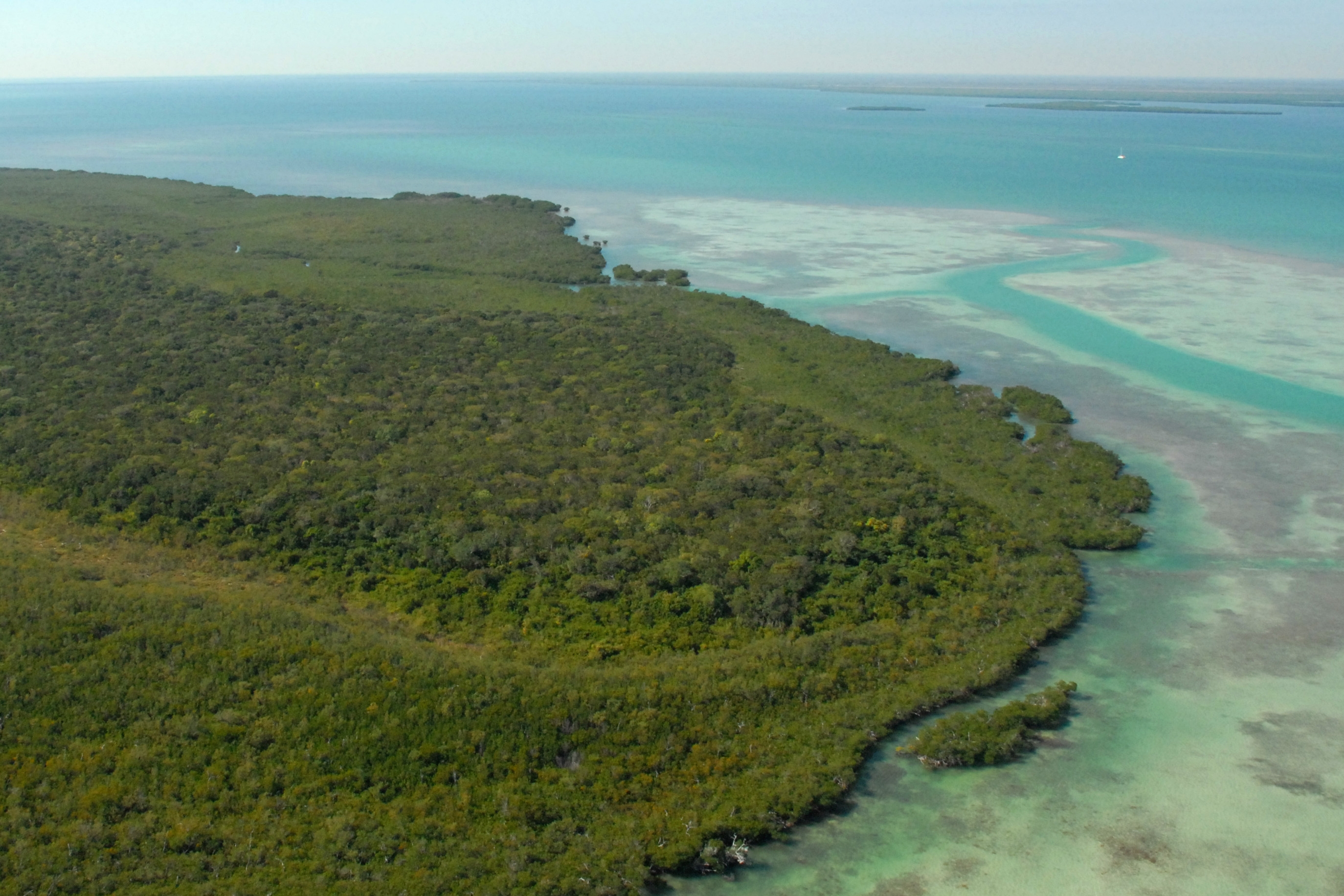
Within sight of Miami, yet worlds away, Biscayne protects a rare combination of aquamarine waters, emerald islands, and fish-bejeweled coral reefs. Evidence of 10,000 years of human history is here too; from prehistoric tribes to shipwrecks, and pineapple farmers to presidents. For many, the park is a boating, fishing, and diving destination, while others enjoy a warm breeze and peaceful scenery.
173Kacres of parkland
486.6Krecreation visits, 2025
Feb · Mar · Decnearby climate picks
Seasonal access & reservations
No reviewed guidance for this selection. Check the park's official planning pages; missing coverage does not establish access.
Selected guidance only; separate from climate comfort and current conditions.
Official conditions Loading saved check
Loading the latest saved conditions. You can also check the official report below.
Allow 1 day for a first look. A useful base: Homestead / Miami.
Much of the park is water. Arrange a boat or water activity in advance; departures are weather dependent.
A day-by-day starting point
01
DAY 1
See the bay from the water
Begin at the Dante Fascell Visitor Center, then take a booked park-authorized boat outing or other suitable guided water activity. Keep the shoreline as a weather alternative.
Editorial recommendations, reviewed 2026-10-17. Full park days, excluding travel to and from the region. A first-visit outline for a general traveler; adapt to mobility, fitness, season, reservations, and current conditions. These are suggested days, not reserved activities or guaranteed routes.
“My escape is to just get in a boat and disappear on the water.” - Carl Hiaasen (NPS image by Matt Johnson) The park provides a multitude of recreational opportunities in the greater Miami area including fishing, diving, snorkeling, wildlife watching, boating and more. Explore coral reefs and experience the rare opportunity to visit undeveloped Florida keys. Join an island tour, camp on a subtropical island or hike the length of Elliott Key. For something more relaxing, take a short stroll on the visitor center jetty trail, have a picnic by the water or take a snooze in a rocking chair on the scenic visitor center porch.
Since most of the park is covered by water and there is only one mile of paved roadway, some sort of watercraft is needed to get to most places. What follows are some ideas for your next adventure.
Fishing and Lobstering - The park preserves unique marine habitat and nursery environments that sustain diverse native fishery resources and support world-class fishing for spiny lobster, snapper, grouper, tarpon and bonefish.
Guided Tours - Guided boat tours depart from the Dante Fascell Visitor Center. Visitors may enjoy the beautiful scenery while learning about the history, wildlife and ecosystems of the park.
Convoy Point Jetty Walk (Self Guided) - Enjoy a 0.8mi round trip along the Convoy Point Jetty Trail at the Dante Fascell Visitor Center. There are 10 stations, each with accompanying information and images, designed to be walked at your own pace.
Canoeing and Kayaking - Canoeing and kayaking are great ways to explore the mangrove-fringed shorelines and shallow bay waters of the park.
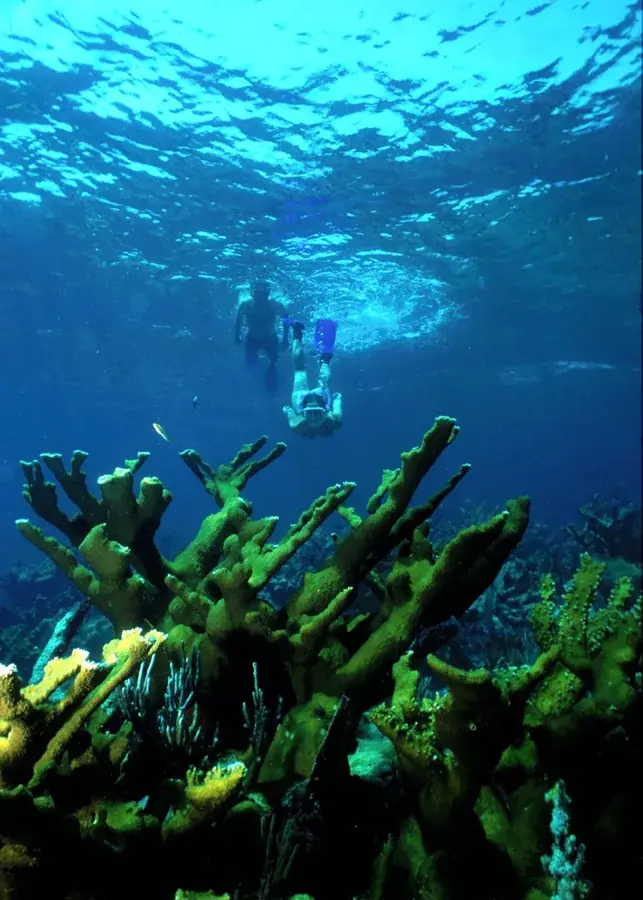
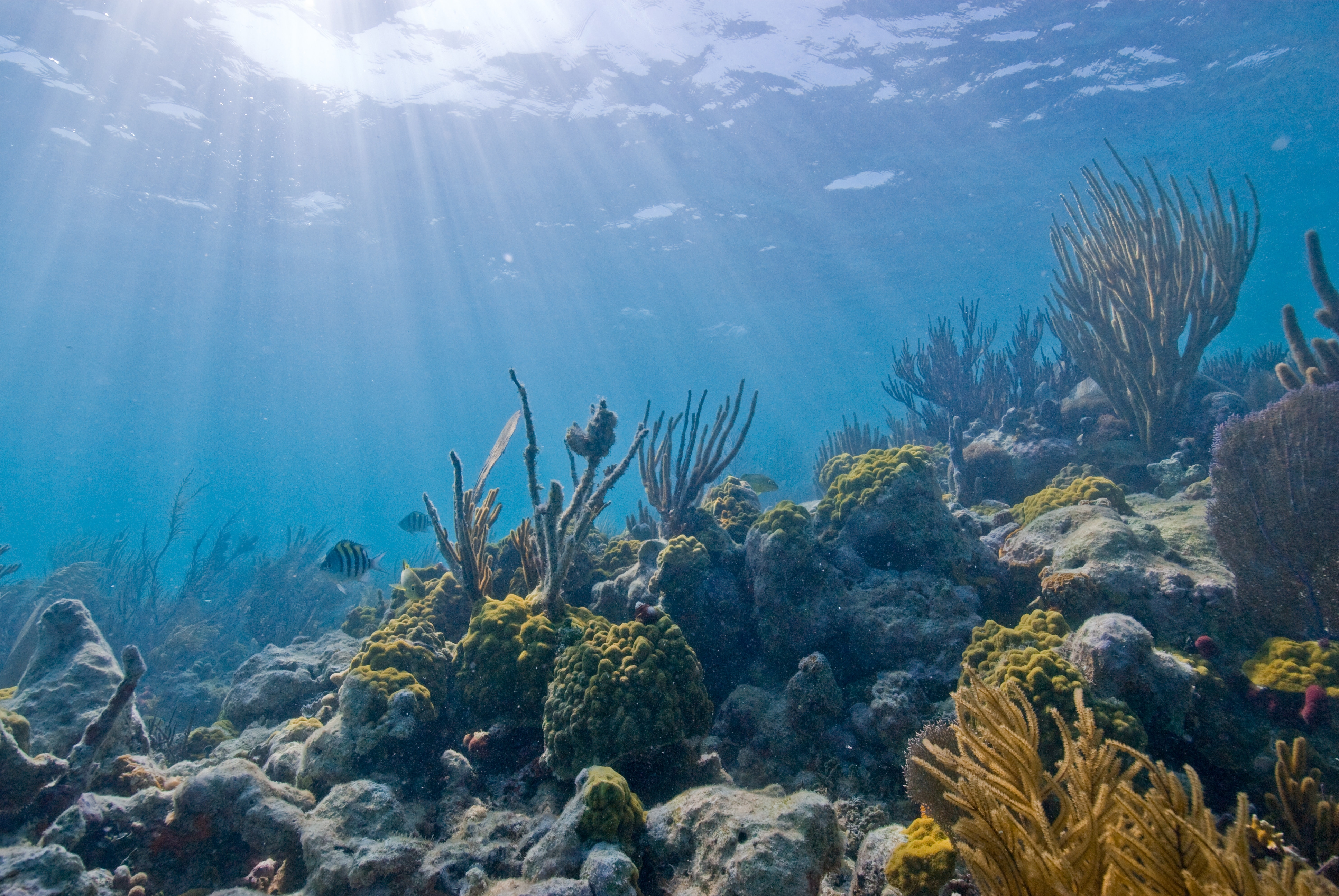
Snorkeling and Diving - The Maritime Heritage Trail offers exciting opportunities to snorkel, dive and explore the remains of some of the park shipwrecks.
Boating - Explore the protected waters of Biscayne Bay, visit the northernmost Florida keys and discover living coral reefs. The park is 95% water.
Camping - Campgrounds are located at Boca Chita and Elliott Keys. The only access to these islands is by boat.
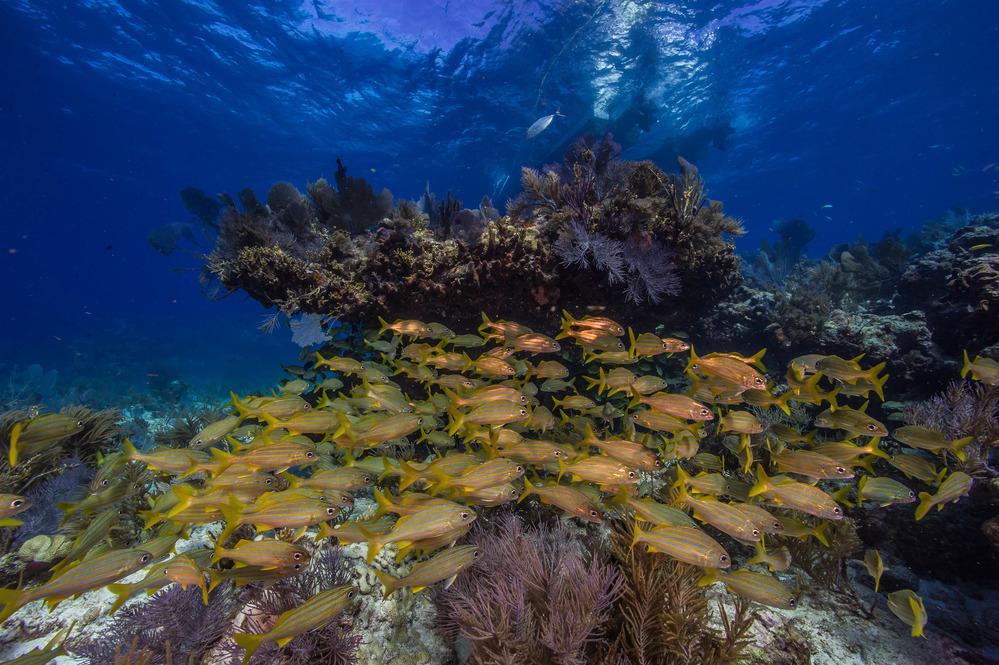
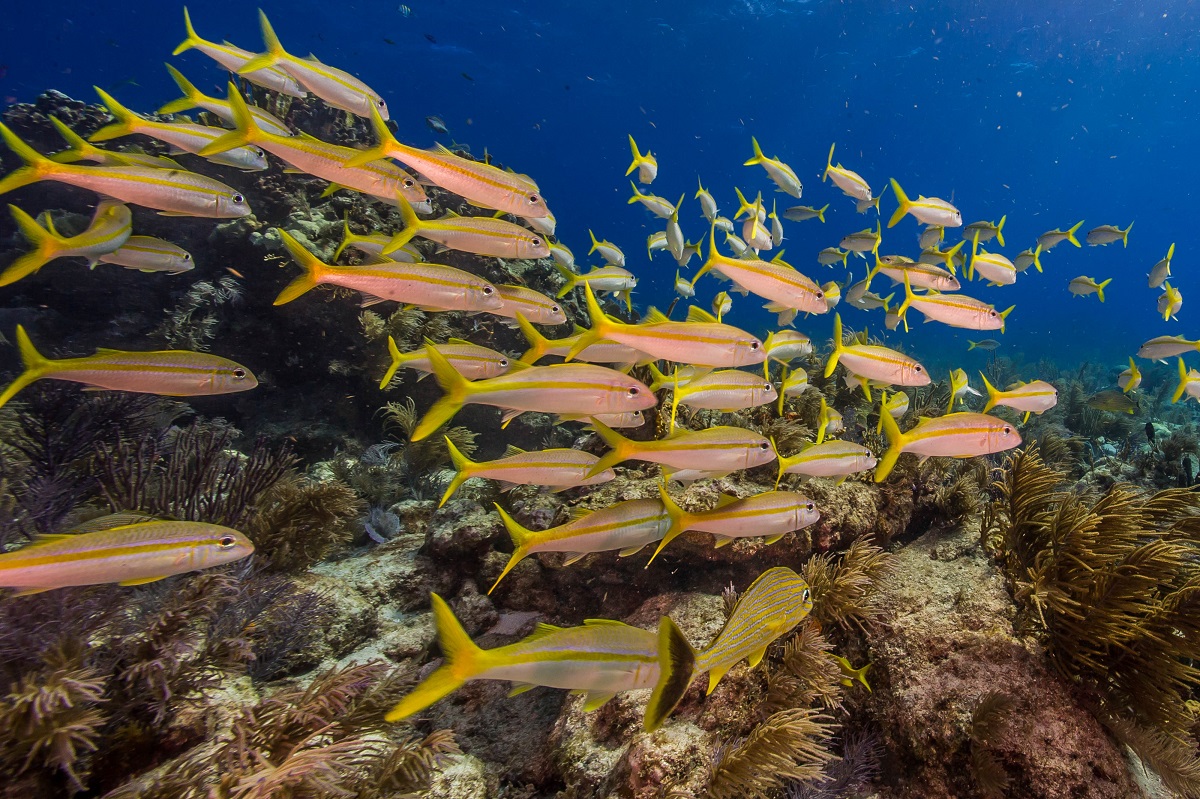
Wildlife Watching -The park is home to an incredible diversity of tropical/subtropical animals and plants including over 500 species of reef fish, a suite of neo-tropical water birds and migratory habitat, and approximately 20 threatened and endangered species.There are a variety of birding opportunities along the Biscayne Birding Trail .
Learning - The park environmental education program works to cultivate an appreciation of our natural world, leading to the preservation of natural resources.
The park offers a variety of free programs and activities and most of them begin at the Dante Fascell Visitor Center, gallery and museum. The museum highlights the park's four ecosystems with exhibits, sound and video. Several films highlight various aspects of the park and provide an introduction to its wonders. Kids of all ages will find plenty to discover and can get started on earning a junior ranger badge. Artists have always played a crucial role in increasing awareness and inspiring stewardship of national parks. The visitor center gallery provides a space where contemporary artists, inspired by the beauty of the park, can show their work.
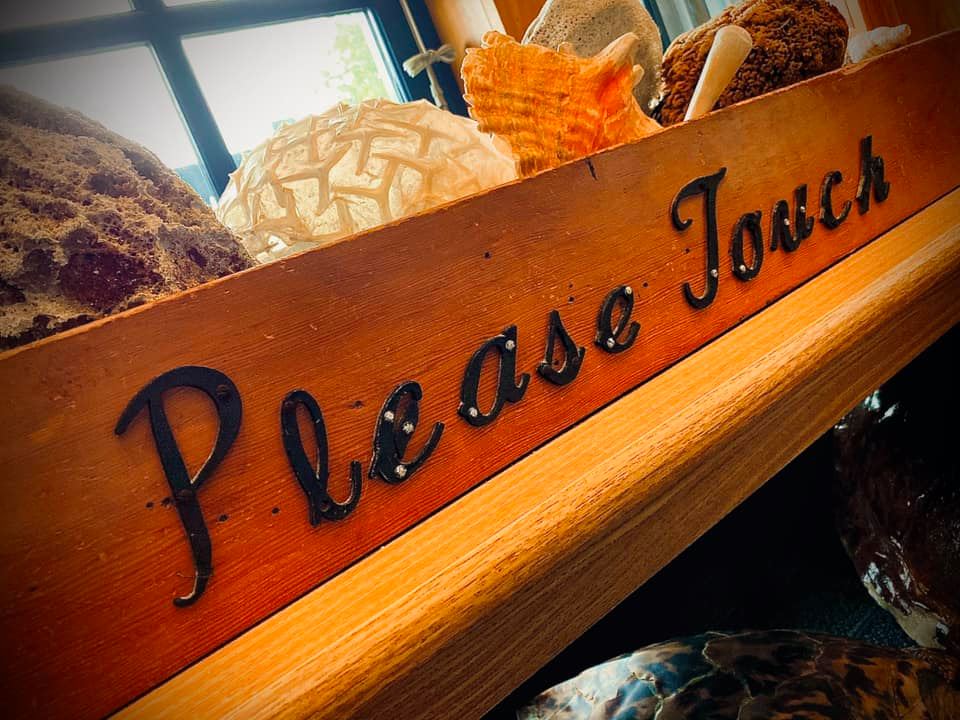
Fishing near the park visitor center (image by Natalia Vasquez). Kids may enjoy snorkeling, poking along the rocky shoreline near the visitor center and canoeing through a mangrove forest. The Dante Fascell Visitor Center has great exhibits and a touch table to help kids learn about the park's watery world. Youth are encouraged to participate in our Junior Ranger Program . They can begin by picking up a booklet at the visitor center. After completing the required pages, a ranger will review their work and award them their Junior Ranger badge. Special events like family fishing and paddling clinics are offered throughout the year. See the park calendar for events, activities and programs.
Official NPS features and USGS park boundaries, imported 2026-10-17. An inventory snapshot, not live trail or parking availability.
Loading official park features…
TrailsPoints of interestParkingZoom with buttons or pinch. Toggle layers on the map.
Map coverage varies. Trail names may represent segments, connectors, or shared park units; mapped lines are not a hiking recommendation. Use official conditions and navigation resources before heading out.
NPS public GIS inventory, imported 2026-10-17. “Existing” is an inventory classification, not confirmation that a trail is open. Segment counts are not route distances. Parking records do not indicate space availability, fees, or accessibility certification. View government source ↗
Climate for Miami Beach, 16 km from the park reference point. 1991–2020 normals. Source elevation: 1 m.
Daytime highNighttime lowOctober: 82° / 76°
Daytime high82°
Precipitation114 mm
Daylight11.4 hrs
Wind15.4 km/h
Mountain, rim, valley, and coastal conditions can differ sharply from the source town. Check park forecasts and current conditions before travel.
Monthly climate data 12 months · °F
Month
High
Low
Rain / snow water
Wet days
Daylight
74°
64°
46 mm
6.7
10.6 h
75°
66°
37 mm
5.9
11.1 h
77°
68°
46 mm
6.3
11.8 h
80°
71°
53 mm
7.8
12.6 h
82°
75°
92 mm
11.4
13.2 h
84°
78°
154 mm
20.0
13.6 h
86°
79°
111 mm
20.4
13.4 h
86°
80°
144 mm
21.4
12.9 h
85°
78°
156 mm
21.2
12.2 h
82°
76°
114 mm
14.2
11.4 h
78°
71°
53 mm
8.3
10.7 h
75°
67°
39 mm
7.0
10.4 h
RESEARCH WITH THE SOURCE IN VIEW
The practical field guide.
Official NPS excerpts imported 2026-10-17. Fees, permits, road access, and operations can change; use the source link to confirm the latest information.
There are two campgrounds in the park. Both are located on islands, Elliott Key and Boca Chita Key. The only access to these islands is by boat . No services are available on the islands. Boca Chita Key is the park's most popular island. It features beautiful waterfront views, a grassy camping area, picnic tables and grills. Toilets are available, but there are no showers, sinks or drinking water. The harbor entrance at low tide is approximately four feet. Elliott Key is the park's largest island. Restrooms with sinks and cold water showers, picnic tables and grills are available. Drinking water is available, but bring water as a precaution if the system goes down. Elliott Key harbor is approximately 2 ½ feet at low tide. There are 33 boat slips in the marina. Fees
Before you visit the islands, download the free Mobile App - Recreation.gov and create a login. Now you're ready to pay for your site with these easy steps:
Open the Recreation.gov app and click the "scan" icon on the bottom menu options. If prompted, allow camera access.
Scan the QR code located at the kiosk on the island and follow the on-screen instructions to pay for your site.
Got cell connectivity? You're all set! No cell connectivity? No problem! Your payment will be marked as "pending" until you reach cell connectivity later.
Be sure to follow any additonal instructions at the kiosk to indicate your campsite is paid for.
If asked for proof of payment, show the confirmation number or QR code on your phone.
Fees are for a maximum of six people and two tents.
Day use and overnight use fees are due daily upon arrival or no later than official sunset.
Seniors with a valid America the Beautiful – The National Parks and Federal Recreational Lands Senior Pass receive a 50% discount on fees.
Fees are required year round.
No reservations may be made in advance for these campgrounds; they are available on a first-come, first-served basis. Tents – Permitted in designated areas only. There is no backcountry camping in the park. Camping is limited to fourteen consecutive days or no more than thirty days within a calendar year. Trash – There is no trash collection. Pack out all trash. Quiet Hours - 10 p.m. to 6 a.m. During quiet hours all noise must be kept to a minimum. Insects – May be prevalent year round. Expect heavy populations of insects during the warmer months. Pets – On Elliott Key pets on a leash are permitted within developed areas only. Pets may not be left unattended. Pets are not allowed in buildings. Pets, with the exception of service animals , are not allowed on Boca Chita Key including vessels docked at Boca Chita Key. Fires - Ground fires are not permitted. Dead and downed wood may be collected only within the vicinity of the campgrounds. Wildlife – Do not feed wildlife. Food and garbage should be stored in a boat or animal-proof cooler. Trails - Two trails tunnel through the tropical hardwood hammock of Elliott Key. One runs across the entire seven miles of Elliott Key (fourteen miles round trip). There is a one mile long loop trail between the bay and ocean sides of Elliott Key beginning at the marina. Trails may be overgrown in places, as foliage grows year round and quickly in the warm and humid climate. Swimming – Swimming is not permitted in boat harbors. Fishing – A Florida salt water fishing license is required. Fishing is allowed from the Elliott Key maintenance dock but not in the harbor. On Boca Chita Key fishing is allowed but not in the harbor, creek or the western bulkhead area. The taking of lobster is not permitted in Biscayne Bay.
Biscayne National Park showcases the biodiversity found along the Florida coastline. Within the park you will find sparkling waters, shipwrecks and ample wildlife. This brochure outlines accessible services, facilities, and amenities to ensure you are able to enjoy your visit to the park. Biscayne seeks to provide opportunities for all to connect to these national treasures.
Park Hours and Entrance
There is no entrance fee at Biscayne. The visitor center is located at Convoy Point.
The address to Convoy Point is:
9700 SW 328th Street Sir Lancelot Jones Way Homestead, FL 33033
Convoy Point Grounds: 7am - 5:30pm, 7 days a week
Dante Fascell Visitor Center: 9am - 5pm, 7 days a week
Navigable Waters: 24 hours a day, 7 days a week
Service Animals
Service animals are permitted on Biscayne National Park property and in all facilities. Below outlines what is considered a service animal per ADA.
"Service animal means any dog that is individually trained to do work or perform tasks for the benefit of an individual with a disability, including a physical, sensory, psychiatric, intellectual, or other mental disability.” - Americans with Disabilities Act.
Emotional support animals, comfort animals, or therapy dogs are not service animals according to Title II and Title III of the Americans with Disabilities Act (ADA).
All dogs that are not service animals, as defined by the ADA, must follow park pet regulations.
Follow this link to learn about the park’s pet regulations: https://www.nps.gov/bisc/planyourvisit/pets.htm .
Homestead Trolley
The city of Homestead runs a free trolley with various pick up locations and stops including Biscayne National Park.
All trolleys are wheelchair accessible.
Service animals are allowed on the trolleys.
Reservations are recommended for trolley use.
For more information on pick up locations and reservations, please visit their website https://www.cityofhomestead.com/357/Trolley-to-the-National-Parks .
Cellular Service
Cellular service is available but areas without coverage exist throughout the park, roads leading to the park and/or local area. Check with your local provider to verify coverage.
Download the NPS app before arriving at the park. Within the app, search for Biscayne National Park and download the park page to your phone to ensure you can access this information if there is no cellular service available at the park.
Convoy Point Facilities and Activities
There are 4 designated handicap parking spaces available.
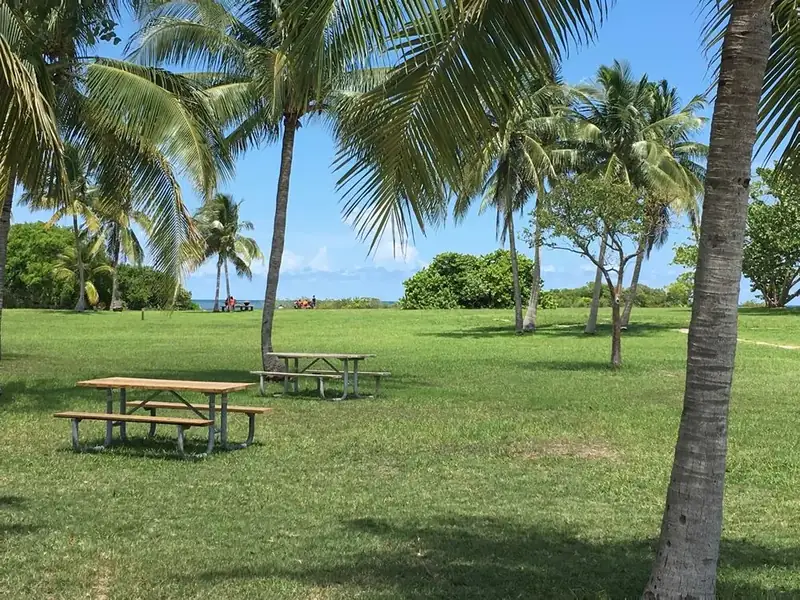
Wheelchair accessible picnic tables are located throughout the grounds.
ADA compliant restrooms located at the Dante Fascell visitor center.
Scenic boardwalk overlooking Biscayne Bay is accessible by wheelchair and other mobility devices.
The majority of the walk is a wooden boardwalk and the remainder being a compact but natural surface. The natural material of the jetty walk is from points 7-10 in the map below. Shallow puddles may form on the natural trail following rain.
Benches are located throughout the walk, providing rest stops with scenic bay views.
Guided Jetty walks may be available during specific times of the day. Call the visitor center to inquire about times or look at the Biscayne calendar for up-to-date information https://www.nps.gov/bisc/planyourvisit/calendar.htm.
Canoe and Kayak Launch
Located at Convoy Point north of the parking lot. The launch is available from 7:00am - 5:30pm daily.
Kayak tours may be available with the Biscayne National Park Institute. https://www.biscaynenationalparkinstitute.org
The launch is not paved and there are no hand railings.
This is a great place to get in the water at Convoy Point if you wish to swim. Dive flags are available in the visitor center.
Dante Fascell Visitor Center
The visitor center is open from 9:00am - 5:00pm 7 days a week.
Ramp and elevator access to visitor center.
Automatic door openers.
Park rangers are available for questions.
Information brochures available to a variety of languages, including Braille. Contact the visitor center for additional information at (305)-230-1144. Films
Several films showcases the beauty and highlighting different aspects of Biscayne are available in both English and Spanish.
Wheelchair seating is available inside the theater.
These films provide visitors with an in depth look at the different habits throughout the park along with the history of the park. This is great for individuals looking to learn more about the park and are unable to venture out onto the water.
Open captioning is used in all viewings.
Headphones with audio enhancement for movies are available upon request.
Films are shown on-demand. Current offerings are available at the front desk.
Visitor center exhibits are offered in both Spanish and English.
A touch table can be found inside offering visitors the ability to touch different organisms found within the park. Try to guess which animal the skull belongs to!
If you are unable to get out on the water, there is an aquarium with coral, fish, and snails. Try to find all the different organisms and see for yourself some of the biodiversity found within the park!
Throughout the visitor center is a gallery of art made by local artists who gathered their inspiration from Biscayne and South Florida! Junior Ranger Program
The Tri-park Junior Ranger program offers children of different ages a colorful pamphlet full of activities to complete at Big Cypress National Preserve, Everglades N.P., and Biscayne N.P. The free booklet guides visitors throughout their visit to the park. Different versions are available based on the child’s age, reading level, and executive functioning skills. Adults even enjoy completing the program! This is a great tool for keeping your Junior Ranger engaged during your visit! The participant will receive a Jr Ranger Badge upon completion of the pamphlet! Booklets are available in English, Spanish, and Creole.
Ask about other Junior Ranger programs at the visitor center!
Ranger Programs
Topics could include history, marine life, plants, and ecosystems.
These programs are great for individuals looking to learn more about the park!
These may be offered seasonally. Check out the Biscayne National Park calendar located on Biscayne’s website for more information. https://www.nps.gov/bisc/planyourvisit/calendar.htm
Call the visitor center at (305)-230-1144 if you have additional questions.
Biscayne National Park Institute (BNPI) - Boat Tours
Some tours may be wheelchair accessible. These tours provide visitors with an experience to be out on the water and learn about beautiful Biscayne. Book your tour in advance to guarantee a spot on the boat! Check out their website for more information or call (786)-465-4058.
Located next to the visitor center on the 2nd floor of the main building. It is accessible by the same ramp used to access the visitor center. There is also an elevator available for use.
Snackbar, giftshop, and relevant books are located in the book store.
Check in for your boat tour in the bookstore with Biscayne National Park Institute.
Boca Chita Key, Elliott Key, and Adams Key
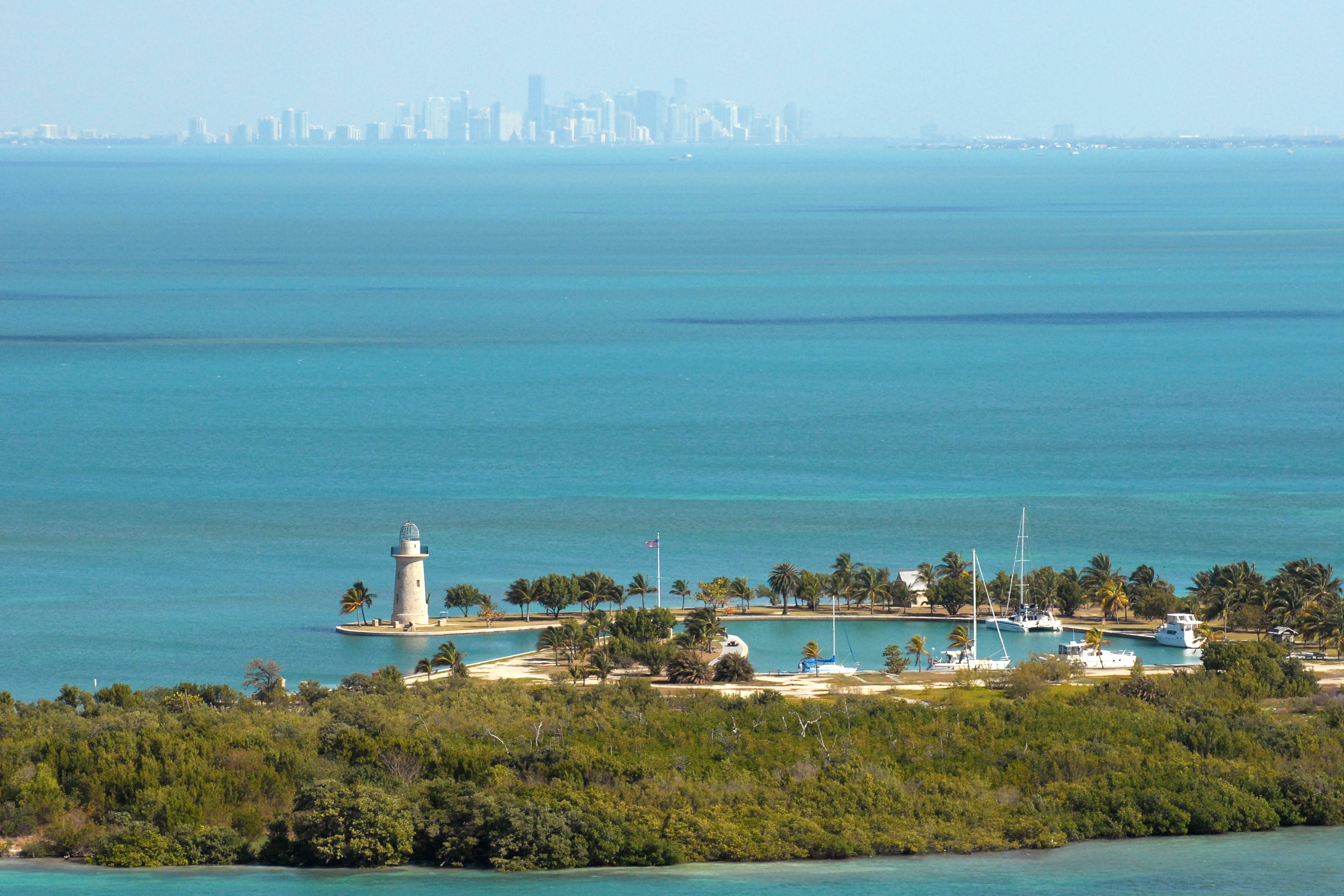
Biscayne National Park is home to several islands known as keys. These keys showcase crystal clear waters, fish nurseries, and tropical plants. Visiting these keys provides opportunities for bird watching, camping, and connecting in the natural beauty of Biscayne National Park. On a clear day you can see downtown Miami from various locations throughout the park! All the keys are only accessible by boat. BNPI offers accessible boat rides to various locations throughout the park. Contact the Institute or look on their website for more information on boat tours. https://www.biscaynenationalparkinstitute.org
Departure points for the boat tours include Convoy Point, Deering Estate, and Dinner Key.
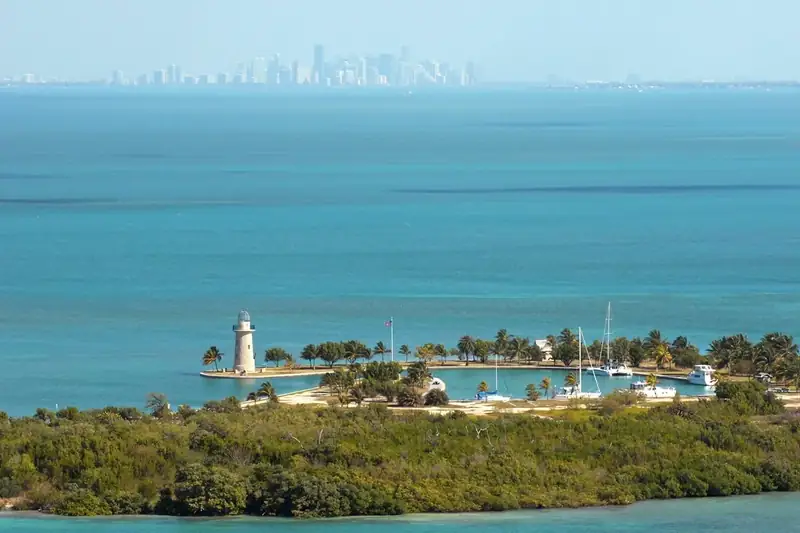
One feature of Boca Chita Key is the lighthouse built in the 1930s. While access to the inside of the lighthouse is only through either a National Park staff or Biscayne Institute staff, individuals who can climb stairs can go to the top of the lighthouse. If you are not able to climb the stairs, you can still admire this historic lighthouse from the grounds nearby.
ADA accessible bathrooms are located on Boca Chita. Follow the short paved pathway from the dock to access the bathrooms.
There are no drinking fountains available on Boca Chita so please plan accordingly.
Camping is available at Boca Chita for a small fee per night. **As no campsites are paved, please be prepared to move about and set up your campsite in the grass. Mobility devices that can be navigated off-road are recommended for camping here. Grills are provided Download the free recreation app before your visit so you are ready to pay when you arrive at the campsite! https://www.recreation.gov/mobile-app
Grills are provided
Download the free recreation app before your visit so you are ready to pay when you arrive at the campsite! https://www.recreation.gov/mobile-app
There is a short walking trail around the perimeter of Boca Chita. This trail is not paved and has a bridge with 3 steps on each side. This trail is great for people who need to exert energy and love an adventure!
Learn about the rich history of Boca Chita with exhibits in both English and Spanish.
Elliott Key is home to turquoise waters and ample nature. There is plenty of space to bird watch and take in the scenic views found at this key
Camping is available at Elliott Key but campsites are not paved nor is the path to campsites paved. Please keep this in mind when bringing a mobility device to the key.
Several picnic tables are located near the boat docks. This is a great spot to enjoy a rest break during your day out on the water! There is not a paved path to the picnic tables.
There is an oceanside water access located on Elliott Key. There is not a paved path to the water so if the visitor uses a wheelchair they will need either a beach wheelchair or off-road wheelchair.
Bathrooms are located on Elliott Key. There is a ramp to access the bathroom but the bathrooms are best used for those with ambulatory devices and not wheelchairs.
Purified drinking water is available from spigots outside of the buildings.
Become Involved at YOUR Park
We would love to have you join our team of volunteers at the park! There are several different teams available for you to use your skills to contribute to the success of the park! Some of the teams are: Interpretation and Visitor Services, Environmental Education and Outreach, Resource Management, and Maintenance. For more information and current volunteer opportunities, access this link https://www.nps.gov/bisc/getinvolved/volunteer.htm
For Your Health
While Florida is known for its beautiful sunshine, please take proper precautions while you are at the park
Drink plenty of water. There is a water fountain located next to the bathrooms on the first floor and on the second floor of the visitor center.
Apply sufficient reef-safe sunscreen with high SPF to areas of your skin exposed to the sun. We recommend sunscreen with zinc or titanium. You may not realize you are getting sunburnt until it is too late.
Current weather conditions can be found on Biscayne’s website at https://www.nps.gov/bisc/planyourvisit/weather.htm
The average temperature in August is 90 degree fahrenheit. The average rainfall in August is 9 inches.
The average temperature in January is 77 degrees fahrenheit. The average rainfall in January is 2 inches.
Hurricane Season
Hurricane season lasts from June 1 through November 30, with the peak of hurricane season being mid-August through mid-October. Please be prepared when traveling during these times.
Bugs are a natural part of being outdoors but if you are prone to bug bites, bring bug spray with you to the park to help protect your skin from biting insects such as mosquitoes.
Typically, there are fewer bugs during the winter months. Medical Emergencies
If you experience a medical emergency while visiting the park, call 911. Please be aware of cellular service throughout the park as it may not be reliable. Contact your service provider for more information on their coverage.
If you are a boater with an emergency please use channel VHF 16 to contact the US Coast Guard.
Parking/transportation fees are possible You may need to pay for parking, or for a shuttle, ferry, or other transportation while visiting the park. More about parking/transportation fees
2026 Free Entrance Days in the National Parks
Come experience the national parks! All National Park Service sites that charge an entrance fee will offer free admission to US citizens and residents (other fees, including timed entry or reservation fees, may apply). Mark your calendar for these entrance fee-free dates:
February 16 : Presidents Day (Washington's Birthday)
May 25 : Memorial Day
June 14: Flag Day/President Trump's birthday
July 3–5: Independence Day weekend
August 25: 110th Birthday of the National Park Service
September 17: Constitution Day
October 27 : Theodore Roosevelt's birthday
November 11: Veterans Day
NPS photo by Denise Ratajczak
The park has no entrance fees .
Day Use Docking at Boca Chita and Elliott Keys
Overnight Camping and Docking at Boca Chita and Elliott Keys
Biscayne National Park is located at 9700 SW 328th Street, Sir Lancelot Jones Way, Homestead, FL 33033. The Dante Fascell Visitor Center may be reached from the Florida Turnpike or from US Highway 1.
From the North -
From the Florida Turnpike take exit 6 (Speedway Boulevard). Turn left from exit ramp and continue south to SW 328th Street (North Canal Drive). Turn left on 328th Street and continue for four miles to the end of the road. The park entrance is on the left just before the entrance to Homestead Bayfront Marina.
From US Highway 1 drive south to Homestead.Turn left onto SW 137th Avenue (Speedway Boulevard). Continue south for five miles to SW 328th Street (North Canal Drive). Turn left and continue for four miles to the end of the road. The park entrance is on the left just before the entrance to Homestead Bayfront Marina.
From the South -
From US Highway 1 drive north to Homestead. Turn right on SW 344th Street (Palm Drive, the last light before the Florida Turnpike entrance) . After about four miles the road curves to the north near the Homestead Speedway. Turn right on SW 328th Street (North Canal Drive) heading east. Continue for four miles to the end of the road. The park entrance is on the left just before the entrance to Homestead Bayfront Marina.
Check for any current alerts for the park. Boating accidents claim the lives of many people every year. Reduce your chances of injury or death by keeping basic boating rules in mind. Become a better boater by learning about coral reefs and other resources, understanding navigation rules, and getting involved at local national parks. You can help protect yourself AND the resources of Biscayne National Park by using ' Reef-Safe Sun Protection '. or UV blocking clothing designed for the water. Things like polarized glasses and hats can also be helpful. Biscayne National Park protects a rare combination of terrestrial, semi-aquatic, and aquatic environments that are home to a diverse variety of species, some of these species can potentially pose a threat to visitor safety. Some of these organisms include jellyfish, stingrays, sharks, and the American Crocodile. While attacks in Biscayne are uncommon, while in the water it is important to remember that we are entering the place they call home. Certain activities such as spearfishing and snorkeling can call the attention of some of these animals. The scent of bait or fresh catches or the sound of splashing water can be enticing especially to predators such as sharks and crocodiles. When entering the water, especially in these animals' typical territory near mangrove stands or sandy embankments, situational awareness will help ensure a safe and pleasant experience.
If you bring your pet to Biscayne, please protect your pet, other people, wildlife, and park resources by abiding by these regulations:
Where Pets Are Allowed
The grounds at Convoy Point
Where Pets Are Not Allowed
Boca Chita Key, including on boats docked in the harbor
The Dante Fascell Visitor Center
Tips for a Great Visit with Your Pet
Pets must be kept on a leash no longer than 6 feet and under your control at all times.
Do not leave pets unattended while tied to picnic tables, trees, or other stationary objects.
Do not leave pets inside your vehicle. Even if the window is cracked open, temperatures inside can rise quickly even on cooler days. Leaving pets inside a parked car is considered animal cruelty per Florida law.
Pet excrement must be immediately collected and disposed of in the nearest trash can.
What Are Service Animals?
"Service animal means any dog that is individually trained to do work or perform tasks for the benefit of an individual with a disability, including a physical, sensory, psychiatric, intellectual, or other mental disability. Other species of animals, whether wild or domestic, trained or untrained, are not service animals for the purposes of this definition.The work or tasks performed by a service animal must be directly related to the handler's disability. Examples of work or tasks include, but are not limited to, assisting individuals who are blind or have low vision with navigation and other tasks, alerting individuals who are deaf or hard of hearing to the presence of people or sounds, providing non-violent protection or rescue work, pulling a wheelchair, assisting an individual during a seizure, alerting individuals to the presence of allergens, retrieving items such as medicine or the telephone, providing physical support and assistance with balance and stability to individuals with mobility disabilities, and helping persons with psychiatric and neurological disabilities by preventing or interrupting impulsive or destructive behaviors.The crime deterrent effects of an animal's presence and the provision of emotional support, well-being, comfort, or companionship do not constitute work or tasks for the purposes of this definition." - The Americans with Disabilities Act
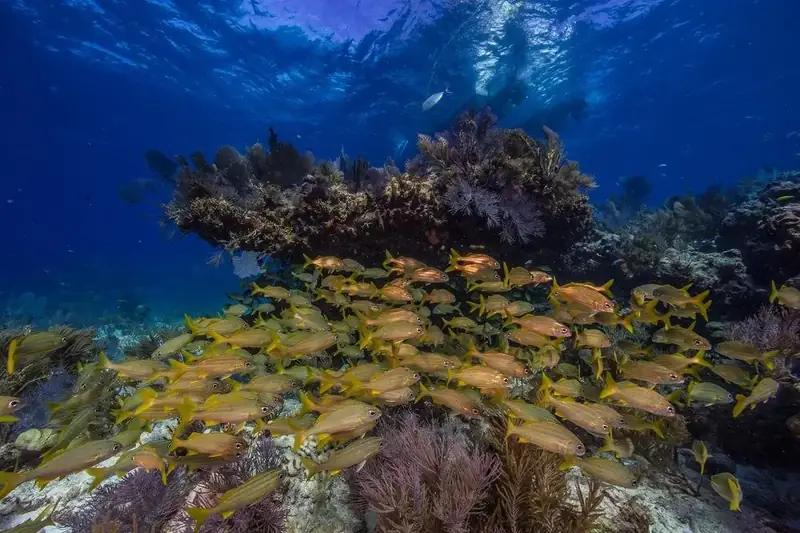
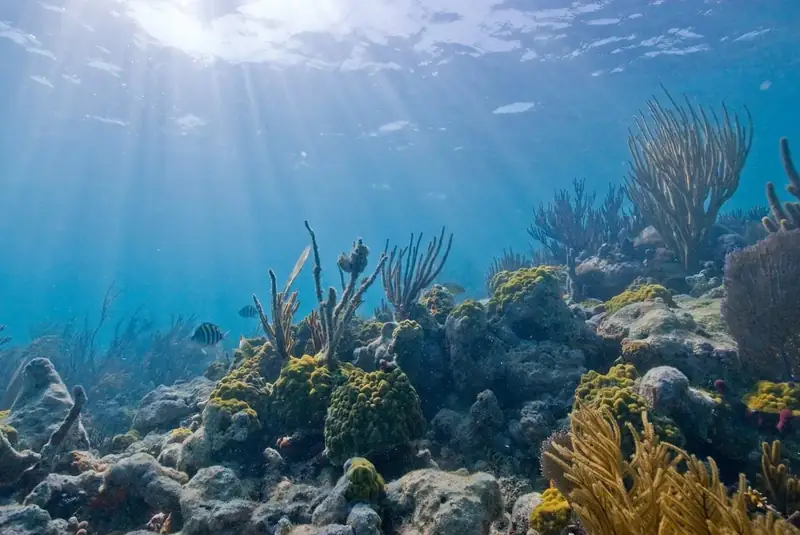
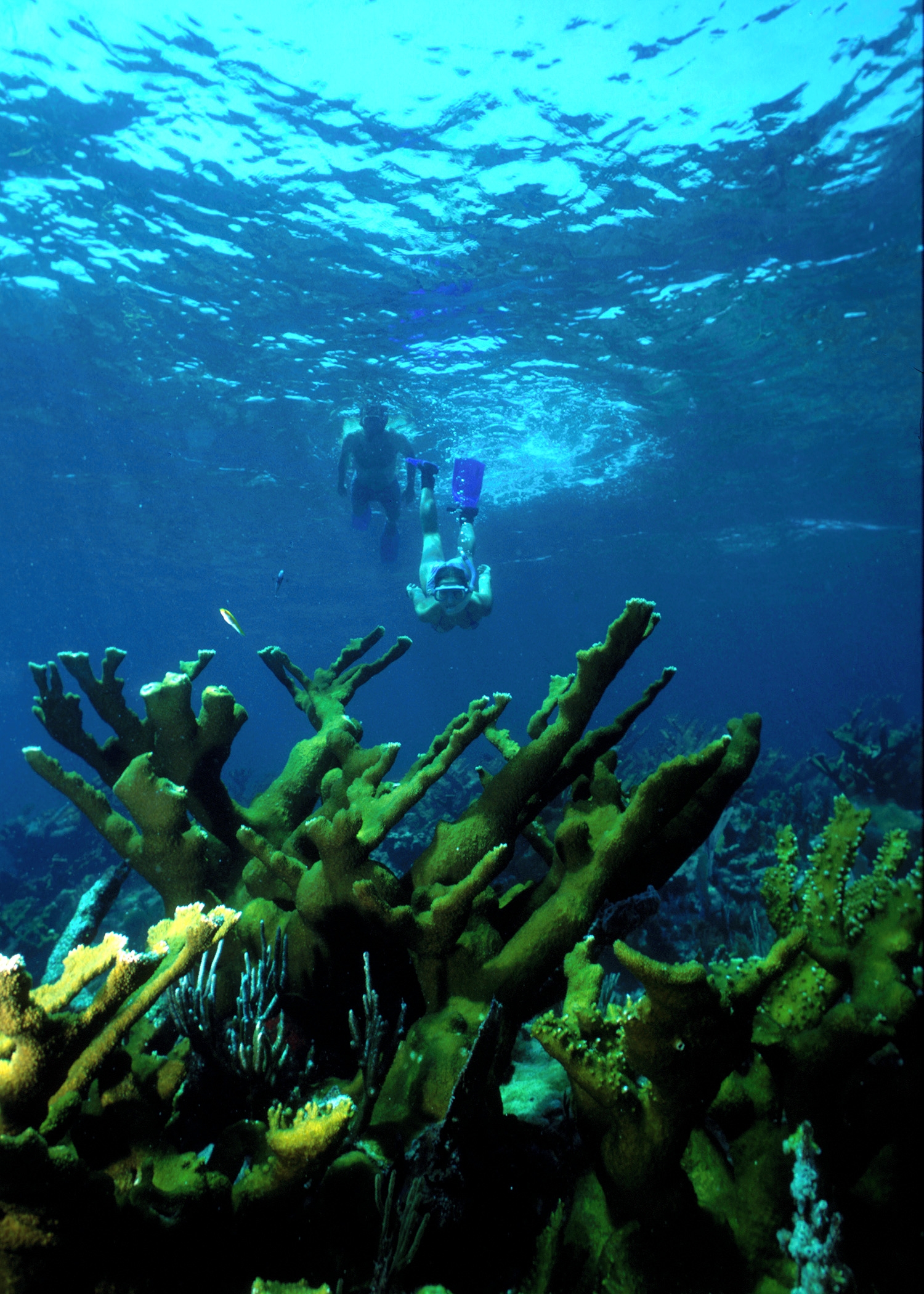
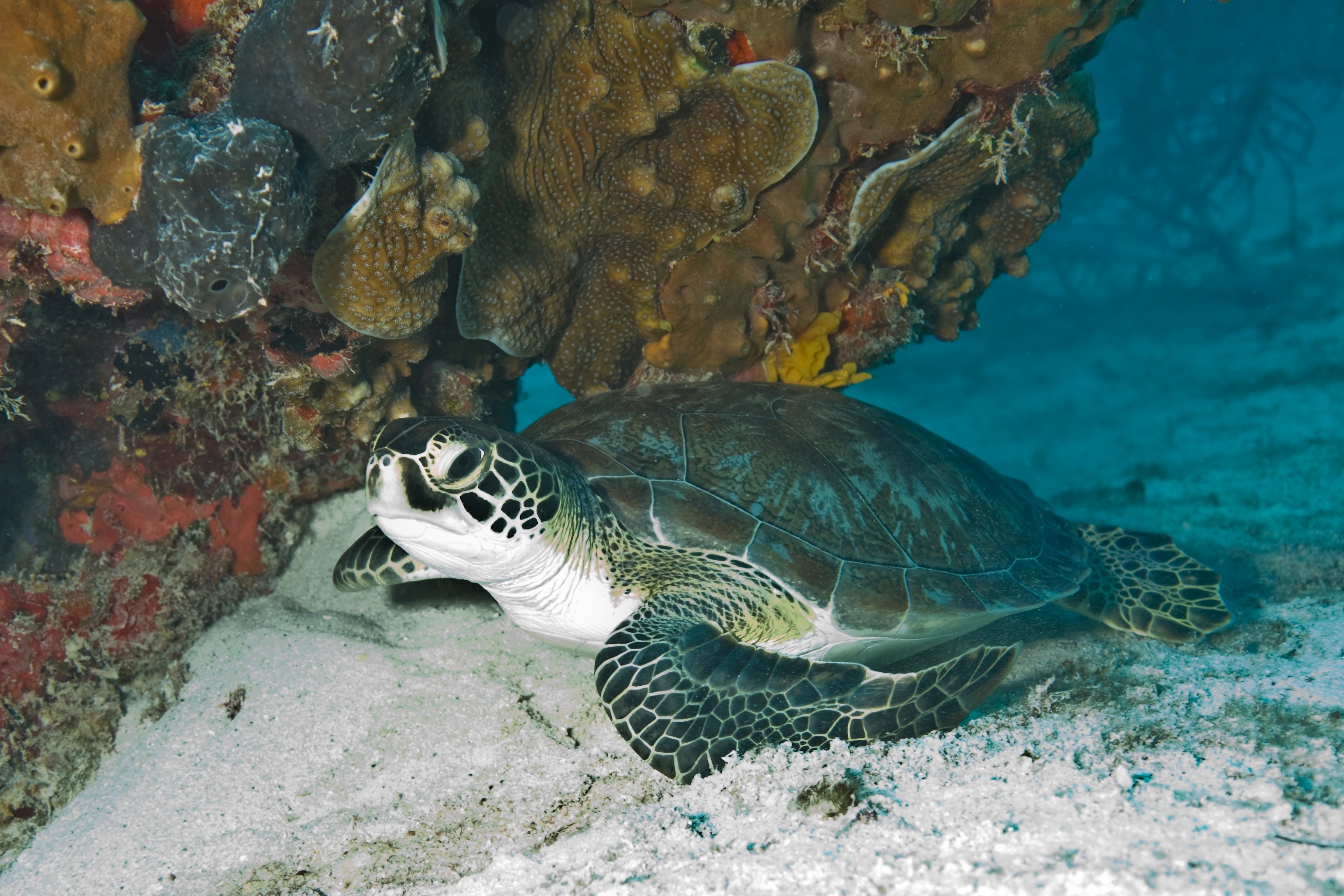
Snorkeling is a great way to explore the coral reefs in the parkNPS image by Shaun Wolfe Images link to the original government source.Boca Chita Key is the park's most popular island destination.NPS photo The coral reef is home to many species of fishNPS image by Shaun Wolfe Biscayne National Park is 95% water.NPS photo Loggerhead, Green and Hawksbill turtles are all commonly observed in park waters.NPS photo Biscayne National Park includes the northernmost Florida Keys.NPS photo Please Touch table inside the Dante Fascell Visitor Center.NPS photo Park snorkeling adventure at Anniversary Reef.NPS image by Matt Johnson fish and their underwater worldNPS image by Shaun Wolfe Campgounds at Boca ChitaNPS photo The small beach at Boca Chita Key.NPS photo by Denise Ratajczak B.A.R.K. Ranger AthenaNPS photo
Look closer at accessibility.
No structured outing assessments have been reviewed for this park yet. Check the official accessibility guide for your requirements.
Established in 1947 as the first national park created for its biodiversity, Everglades National Park protects 1.5 million acres of wetland, forest, and marine habitats and the native plants and animals that call it home. With several international designations, the park provides a major source of drinking water for local residents of South Florida and recreational opportunities for all.
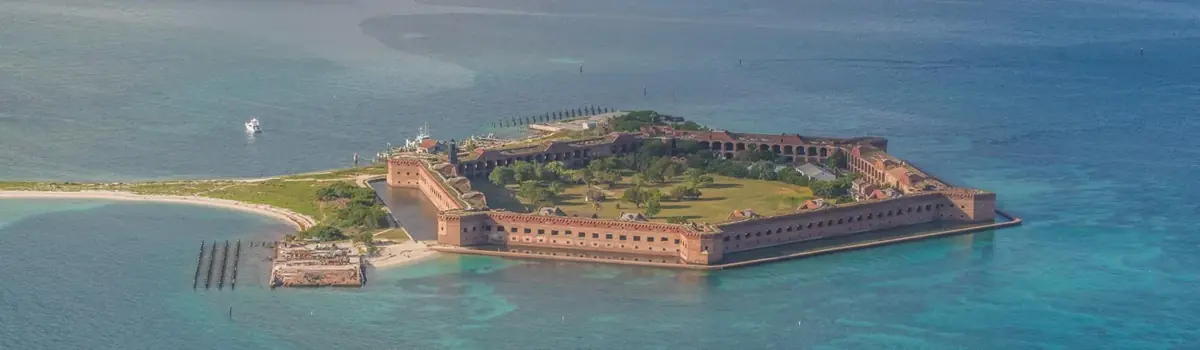
Almost 70 miles (113 km) west of Key West lies the remote Dry Tortugas National Park. This 100-square mile park is mostly open water with seven small islands. Accessible only by boat or seaplane, the park is known the world over as the home of magnificent Fort Jefferson, picturesque blue waters, superlative coral reefs and marine life, and the vast assortment of bird life that frequents the area.
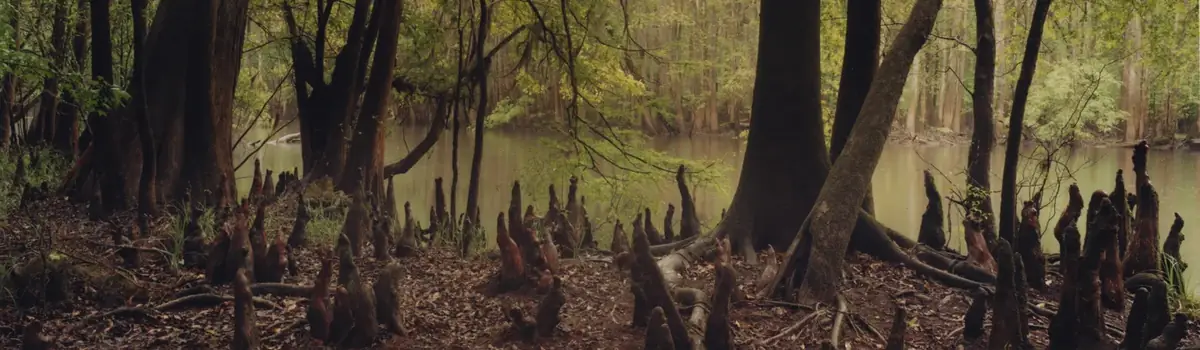
Astonishing biodiversity exists in Congaree National Park, the largest intact expanse of old growth bottomland hardwood forest remaining in the southeastern United States. Waters from the Congaree and Wateree Rivers sweep through the floodplain, carrying nutrients and sediments that nourish and rejuvenate this ecosystem and support the growth of national and state champion trees.



 Lakes & rivers