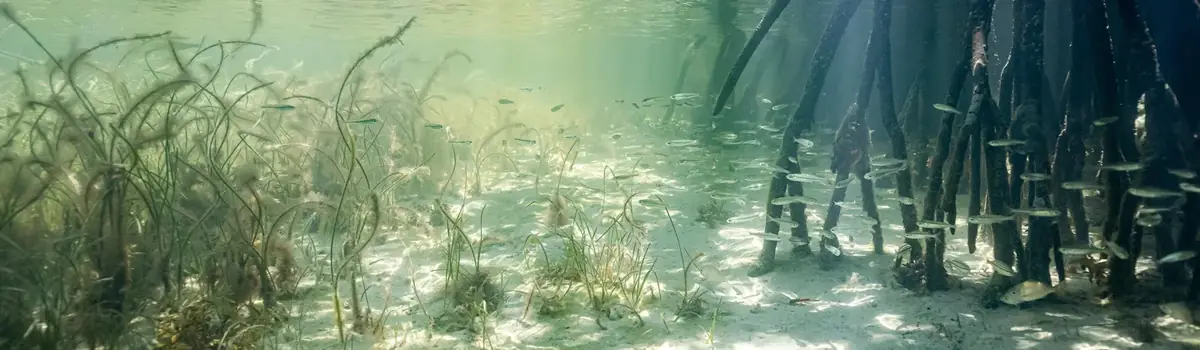
Almost 70 miles (113 km) west of Key West lies the remote Dry Tortugas National Park. This 100-square mile park is mostly open water with seven small islands. Accessible only by boat or seaplane, the park is known the world over as the home of magnificent Fort Jefferson, picturesque blue waters, superlative coral reefs and marine life, and the vast assortment of bird life that frequents the area.
64.7Kacres of parkland
89.4Krecreation visits, 2025
Feb · Mar · Aprnearby climate picks
Seasonal access & reservations
No reviewed guidance for this selection. Check the park's official planning pages; missing coverage does not establish access.
Selected guidance only; separate from climate comfort and current conditions.
Official conditions Loading saved check
Loading the latest saved conditions. You can also check the official report below.
Allow 1 day for a first look. A useful base: Key West.
Transport is the main constraint. Book the ferry or an authorized flight, and allow for cancellation risk.
A day-by-day starting point
01
DAY 1
Garden Key & Fort Jefferson
Use a booked day trip to explore the fort and shoreline. Add snorkeling only if conditions, experience, and time permit; return on your arranged transport.
Editorial recommendations, reviewed 2026-10-17. Full park days, excluding travel to and from the region. A first-visit outline for a general traveler; adapt to mobility, fitness, season, reservations, and current conditions. These are suggested days, not reserved activities or guaranteed routes.
Garden Key is home to park headquarters , visitor center , campgrounds and great swimming and snorkeling areas.
Garden Key is the second largest island in the Dry Tortugas, about 14 acres in size, and has had the most human impact. Located on Garden Key is historic Fort Jefferson, one of the nation’s largest 19th century forts and a central cultural feature of Dry Tortugas National Park. To learn more about the history of Fort Jefferson click here .
Arriving at Garden Key
The only way to visit Garden Key and all other areas of Dry Tortugas National Park is by boat or seaplane. Ferry and seaplane passengers travel directly from Key West to Garden Key. Entrance fees are included in ticket price. Those passengers traveling here by personal vessel must stop by Garden Key to pay the entrance fee . To find more information about bringing your own boat, click here Boating .
Yankee Freedom Ferry
Key West Seaplane Charters
Other Guided Tours & Charters
Things to Do at Garden Key
Snorkeling and Swimming
Bring Your Own Boat
Wildlife Viewing
Night Sky Viewing
Garden Key Area Closures
Due to damage from Hurricane Ian, space for personal vessels is extremely limited. The finger piers and slips and the dinghy beach between the finger piers and the South Coaling Dock on Garden Key are closed, as well as the South Coaling Dock ruins proper. There is limited space for personal vessels east of the Yankee Freedom III pier to the seaplane beach.
Bringing your own boat to Dry Tortugas National Park will provide you with the most opportunities to explore this remarkable national treasure. Situated approximately 70 miles west of Key West, Florida, with no food, water, or fuel available in the park, proper planning is a must.
Dry Tortugas National Park is filled with cultural artifacts that tell a rich and fascinating story of human exploration. Situated at the westernmost edge of the third largest coral reef system in the world, you are sure to discover some of the most pristine living coral and marine life found anywhere in the Florida Keys.
Dry Tortugas is cashless.
Purchase your pass in advance through Recreation.gov or using a mobile device.
Payment must be completed within one hour of arrival.
Entrance fees apply to time spent on land or water within the park.
Entrance fees apply to individuals ages 16 or older.
Garden Key and Loggerhead Key - Open to the public.
Bush Key - Seasonal closures apply.
East, Middle, Hospital and Long Keys - Closed year-round.
Special Protection Zones - Closed to visitors.
View the park map
Be prepared for changing conditions.
Tropical storms can develop in the Gulf of America at any time of year.
Generally, summer brings calmer, wetter weather, while winter brings stronger winds and drier conditions.
View current weather conditions
Tides can significantly affect the shallow waters around Dry Tortugas.
View tide charts
No food, water or fuel is available in the park.
Plan for your entire trip, including travel to and from the park.
Fresh-caught seafood may supplement your food supply but should not be your primary source of food.
Bring at least one additional day of food and water in case you are delayed by weather or other unforeseen circumstances.
Plan for two gallons of water per person per day.
Ensure your boat’s safety equipment is up to date.
Planning to camp? Visit the camping page.
This list is not exhaustive. Plan accordingly.
For more information about provisions: Superintendent's Compendium — Food and Drink
Dry Tortugas has no public trash or recycling facilities. Pack it in, pack it out.
For more information: Superintendent's Compendium — Sanitation
Reaching Dry Tortugas requires crossing open water with no land in sight.
Use NOAA nautical charts 11438 and 11434 to safely navigate to and from the park.
View navigation charts
Overnight anchoring is permitted only in sandy-bottom areas within 1 nautical mile of the Garden Key lighthouse, except within closed areas such as Special Protection Zones, marked channels, and the Garden Key Harbor Channel.
Anchoring is prohibited throughout the Research Natural Area.
Garden Key Harbor: Vessels must anchor south or southeast of the line extending from southwest channel red marker No. 12 to the westernmost “Off Limits” narrow white cylindrical buoy off Bush Key to keep the channel clear.
Bird Key Harbor: Anchoring is prohibited within 100 feet of the hazard buoy near N 24°37.34’ x W 082°52.94’.
Anchored vessels may not be left unattended for more than four hours.
All powered or unpowered vessels must remain a minimum of 100' from all shore (defined by the mean high tide line) within the park.
Landing is permitted at:
The developed area of Garden Key Harbor - including the dinghy beach, finger piers, and main dock (separate regulations apply).
The designated dinghy beach on Loggerhead Key, located just south of the dock, which is for authorized government use only.
Within the Research Natural Area, mooring buoys are available for daytime use only, for a maximum of two hours.
Superintendent's Compendium — Public Use Limits
Superintendent's Compendium — Mooring Buoys
Mooring Buoys page
Bright Exterior Lights
Bright exterior lights, including deck lights.
Vessel lighting as required by USCG regulation such as anchor lights are excluded from this park specific regulation.
Underwater Lights
Including the use of any underwater vessel lights.
Personal handheld lights for night diving/snorkeling are permitted.
Spearfishing and Lobster Collection
Spears must be dismantled and stowed.
If you speared fish or collected lobsters outside the park, you must report your catch to the park on Channel 16 before entering park waters.
Firearms inside all government buildings.
View the Superintendent's Compendium
The eastern half of the dock is reserved for the concession ferry from 10 a.m. to 3 p.m.
Priority use is given to emergency and government vessels and vessels under contract. If the dock is not being used for priority purposes or for the concession ferry, commercial and recreational vessels may use it.
Maximum cumulative use is two hours per vessel per day.
Docking is prohibited from sunset to sunrise.
Finger piers: Maximum cumulative use is two hours per vessel per day.
Loggerhead dock is closed to private vessels.
Dinghy Beach: No time limit.
Seaplane Beach: Closed to all vessels from 8 a.m. to 6 p.m.
North and South Beaches: Watercraft and vessels are prohibited from entering designated swimming areas.
Landing or beaching vessels is permitted only at the designated dingy beach.
Garden Key Harbor
Swimming is prohibited. Use the designated swimming areas.
Recommendations and Suggestions
Garden Key is the second largest island of the Dry Tortugas, and home to historic Fort Jefferson.
The largest of the 7 islands in Dry Tortugas National Park is Loggerhead Key, and should not be missed.
Camping at the Dry Tortugas
Camping at Garden Key is an incredible experience. Amazing star gazing, snorkeling, sunsets and more!
Enjoy fishing for sport or food and be sure to bring your saltwater fishing license and follow Gulf fishing regulations.
Snorkeling and Diving
Dry Tortugas National Park is home to history and natural wonders above and below the water's’ surface.
Wildlife Viewing
From birds, to sea turtles and coral reefs, the park is paradise for wildlife viewing.
Camping transportation is limited to private vessel, permitted tour guides, or commercial ferry. Reservations on the Yankee Freedom ferry are limited and sell out months in advance. Once you arrive at Garden Key, camping is first come, first served for all regular sites (up to 6 people). All camping fees are paid on Garden Key and all LARGE groups of 10-20 require an advance reservation with the Park.
Plan Your Garden Key Camping Experience
Camping at Garden Key is an incredible experience with amazing star gazing, snorkeling, sunsets, and more! But you must be prepared to camp in this remote location. To assist you in your planning, be sure to review the information on this page to learn more about camping at Dry Tortugas National Park.
Transportation: Plan Ahead!
Transportation for campers is limited to private vessels, daily commercial ferry , and permitted tour guides . The seaplane does not offer transport for campers.
Ferry Transportation
The ferry can bring campers and their gear to the Dry Tortugas. You should check with the ferry operator for details on what they will transport by calling them at 1-800-634-0939. Once you arrive, there are wheeled carts at the dock to assist in moving your camping gear to the campground.
Note that the ferry is limited to 10 camping passengers per day. Due to the limited number of spots on the ferry, we recommend booking your trip months in advance, especially during the winter holidays and winter season that tends to be busier, as visitors from northern chilly climates head to South Florida sunshine.
If you arrive at the park with the daily commercial ferry, you will have a spot to camp. Garden Key is a small island, but we'll work at finding a place for you to pitch your tent - and you must have a tent to camp.
Learn more about the ferry by visiting their website.
Private Vessels
Private vessels should check in with a ranger upon arrival at Garden Key for camping information and vessel anchoring areas. Overnight anchoring is allowed in the area of sand and rubble bottom within 1 nautical mile of the Fort Jefferson harbor light and must not block any designated channel.
Overnight anchoring is not permitted at any other location in Dry Tortugas National Park.
Upon arrival, the wheeled carts on the dock can be used to assist in moving your camping gear from your vessel to the campground.
Plan your boating trip carefully by visiting our Boating page .
Campsite Information (What to Bring and Know)
Campsites at Dry Tortugas are available only on Garden Key, where Fort Jefferson resides. Careful planning is essential to enjoy your visit to Dry Tortugas National Park. A primitive campground is located on Garden Key and is a short walk from the public dock.
Reservations are not accepted for the 6-person sites. All campers, once they arrive, will be guaranteed a place to camp.
The individual sites can each accommodate up to three 2-person tents (total of 6 people), and are available on a first-come, first-served basis.
Choosing Your Campsite
Look for a table in the campground with a stenciled number. Only those tables with numbers are assigned to campsites.
Should you find all eight regular sites occupied, you must share the overflow area with other campers. The overflow area is a grassy area near the regular campsites.
Tables and grills are provided in overflow sites, but they must be shared with other overflow campers. As campers leave, you may move to a regular site if one becomes available.
Campsite Facilities
Campers must bring all supplies, including a tent, fresh water, fuel, ice, and food. All trash and garbage must be carried out upon departure. Gas camping stoves or charcoal briquettes placed in campsite BBQ units are the only fires allowed. ( IMPORTANT : If you are planning on arriving with the ferry , compressed gas canisters are not allowed onboard. Plan on bringing charcoal for grilling.) Campsites include:
Elevated grills for charcoal fires
Hooks to keep items above the ground
Campground Facilities:
Toilets: Composting toilets are located in the campground. The composting toilets are closed from approximately 10 a.m. to 3 p.m. During these hours, please use the facilities aboard the commercial ferry boats at the dock.
Showers: There are no public showers in Dry Tortugas. When the ferry is docked at Garden Key, visitors are welcome to use their fresh water rinse (no soap allowed).
Electricity / Internet / Cell Service : There are no public wifi, cellular service, or electric hook-ups. Plan to bring battery-powered appliances as needed.
Camper Supply Checklist
Food and Water: We recommend two gallons of water per person per day (remember the heat). Bring an extra day's supply of food and water in case of ferry cancellations. Bring food items in hard-sided containers for protection from rats and crabs. Posts are available to hang food and trash.
Shelter: Tent (required), sleeping bag and pad, and strong stakes for the frequent high winds.
Cooking: Match-light charcoal for campground grills (fuel is not permitted aboard ferries), waterproof matches and lighter, cooking utensils, biodegradable soap, and trash bags.
Clothing : Cold and warm-weather clothing, rain gear, lightweight long-sleeve shirt and pants for sun and bug protection, wide-brimmed hat.
Personal Equipment: Medications, first-aid kit, knife, flashlight with spare batteries, snorkel gear, binoculars, sunglasses and sunscreen, insect repellent, and personal items. Private boaters and paddlers require additional safety gear.
Campground Regulations
Space is Limited . Each of the regular campsites contains a table, post for hanging food, and a BBQ grill. Three tents and six campers are the maximum allowed per campsite. All equipment must remain within ten feet of your table.
Protect Park Vegetation . Trees and shrubs are crucial to provide some shade and wind break. Help protect this valuable vegetation. Do not attach anything to campground trees (but clothes line may be strung between posts). All camping gear must be free standing. Respect closed areas of the park.
No Wood Fires . Charcoal briquettes placed in campsite BBQ grills are only fires allowed. Gas camping stoves are permitted by the park, but commercial ferries do not permit them on board.
Toilets . Composting toilets are located in the campground. Waste is composted in the equipment below the units. These systems are very fragile and are designed only for the disposal of human waste and toilet paper. Please do no put trash, food scraps, or other items in these toilets. Please lower toilet lids when not use in use to reduce odor and aid in the composting process.The composting toilets are closed from approximately 10 a.m. to 3 p.m. During these hours, please use the facilities aboard the commercial ferry boats at the dock.
Grey Water . Grey water from dishwashing, etc. should go below the high tide line at the dinghy beach.
Protect Your Food . Rats have inhabited the Tortugas probably since the arrival of humans. Though the size of the rat population is controlled, rats may be encountered as they forage through campsites looking for food. The only reliable way to protect your food and prevent damage to your gear is to store your food and food trash in hard-sided containers. Rats will chew through tents or backpacks if they smell food, and can also climb the provided hanging posts.
Kayaks and Other Watercraft . You may keep boats in your site or on the shore near the designated dinghy beach. Boats of all kinds are prohibited in the swim area. Boats may only be launched from and landed on the designated dinghy beach, which is located near the government docks. Remember to wear a life jacket at all times while boating.
Quiet Hours . Please be considerate of others and observe quiet hours from 10 p.m. to 6 a.m. The use of bright lanterns is also discouraged during these hours.
Access to Fort Jefferson . One of the great pleasures of any visit to the park is the opportunity to explore Fort Jefferson. Be careful inside the fort. Many areas have uneven walking surfaces. The fort is open sunrise to sunset, or to contact a ranger in an after-hours emergency. The moat wall, beaches, and other exterior public area remain open after dark.
On the day of departure, plan to:
Completely clear your campsite.
Place all camping gear on the main dock.
Return all hand carts to the dock by 10 AM.
If you are traveling with the ferry:
Wait until the ferry off-loads passengers and equipment the morning of your departure.
See the captain for instructions on loading your gear.
If you want to enjoy the island before leaving, be sure to keep any items you will need for the day in the day use area.
Large Group Campsite Reservations
A group site is available for 10-20 people and must be reserved in advance
The group site contains:
Two picnic tables
A space large enough for 12-15 tents.
Please e-mail us for inquiries about the Garden Key Group Campsite. For a LARGE Group Campsite Reservation Application, click here.
All applications should be emailed to the email address at the bottom of the form.
Large Groups of 10 or more arriving without a reservation will not receive exclusive use of the group site.
Campsite fees are not included in transportation fees (such as the ferry or permitted guides). $15 per night, per individual site $30 per night for the LARGE group site Important Fee Reminders Camping fees are paid through Recreation.gov Scan & Pay using the Recreation.gov mobile app. Please download the app and prepare your account before arriving, as wifi is limited to the boathouse. Learn more about Recreation.gov Scan & Pay Discounts: You must bring your pass and a valid ID with you to qualify for the discount. The National Park Service does not keep a register of passes issued. A 50% discount applies to holders of the: Senior Pass (Formerly known as the "Golden Age Pass") Access Pass (Formerly known as the "Golden Access Pass"). No other discounts apply.
Campsite fees are not included in transportation fees (such as the ferry or permitted guides).
$15 per night, per individual site
$30 per night for the LARGE group site
Important Fee Reminders
Camping fees are paid through Recreation.gov Scan & Pay using the Recreation.gov mobile app. Please download the app and prepare your account before arriving, as wifi is limited to the boathouse. Learn more about Recreation.gov Scan & Pay
Discounts: You must bring your pass and a valid ID with you to qualify for the discount. The National Park Service does not keep a register of passes issued. A 50% discount applies to holders of the:
Senior Pass (Formerly known as the "Golden Age Pass")
Access Pass (Formerly known as the "Golden Access Pass").
Frequently Asked Questions
Can I reserve a campsite in advance?
Can I rent a boat, kayak, or buy supplies at the park?
Can I build a fire from wood instead of bringing charcoal?
No. No wood fires are allowed from collecting driftwood or bringing firewood. Charcoal briquettes placed in campsite BBQ grills are only fires allowed. Gas camping stoves are permitted by the park, but commercial ferries do not permit them on board.
What do I do with my trash?
Can I camp without a tent?
Can we use the group campsite if it is not reserved that night?
Yes. During periods of heavy use, the group campsite may be used for overflow camping, but only on unreserved nights. Any unreserved group choosing to camp in the group site must move out of the group site by 10 a.m. any day the group site is reserved. Reservations are posted on the board located in the group campsite.
Is fishing allowed in the park?
Yes! With its abundant marine life, Dry Tortugas is an excellent fishing destination. However, please do not plan on catching your meals. Bring enough food, water, and supplies for your entire stay. Important things to know:
"J" hooks are not allowed. Plan to arrive with "circle hooks".
Spearfishing and the collection of lobsters is prohibited.
Florida Saltwater fishing license is required, unless you are under the age of 16 or a Florida resident senior over the age of 65.
Fishing is allowed only in certain areas.
Can I camp if I am taking the seaplane?
Is there a public shuttle to get to Loggerhead Key?
No. There is no public transportation to this island. Access is limited to private vessels or kayak/canoes brought to the park via the ferry. If you bring your own kayak/canoe to the park on the ferry, you'll need to make advance arrangements due to the limited capacity on the boat.
Permitted Tour Guides at Dry Tortugas National Park
Another option to the daily ferry and seaplane tours is to select one of many tour operators who hold permits with Dry Tortugas National Park to provide services for visitors. There are a variety of tour operators providing trips for fishing, diving, snorkeling, and wildlife viewing. For a complete list of permitted tour operators, see the helpful links below.
When Ponce de Leon discovered the islands of the Dry Tortugas he noted the abundant marine life including the sea turtles, and thus named these islands "Las Tortugas". Today you will still find the Dry Tortugas filled with abundant marine life, making Dry Tortugas National Park an excellent fishing destination. What comes to mind when you think about fishing? Patience, relaxation, challenge, and memories are a few words often associated with fishing. You will find all that and a sense of stewardship, conservation, and preservation on this page. We want you to have an enjoyable time during your visit, and for those who come after you to fish. Take some time to explore, learn what the park has to offer and learn your responsibilities before casting a line or flicking a fly into the water.
Fishing In A Nutshell
Important things to know
Dry Tortugas National Park is in Monroe County, Florida State waters.
Dry Tortugas National Park is almost exclusively in Gulf of America waters.
Spearfishing and lobstering is prohibited. If you enter park waters, all spearfishing gear should be disassembled and stored away.
"J" hooks are not permitted to be used. Only "circle" hooks may be used. (NOTE: There are no gear or supply shops once you arrive to the park.)
Fishing in the Research Natural Area is prohibited.
Large yellow buoys mark the Historic Use Area.
Fishing is permitted outside the Research Natural Area .
Florida Saltwater fishing license is required , unless you are under the age of 16 or a Florida resident senior over the age of 65.
For a complete list of current rules of regulations please see the FWC site . Valuable catch and release information can be found on the Florida Sea Grant site.
Fishing Locations
The seaplane beach east of the main dock , when the seaplane is not present.
Main dock , when the Yankee Freedom is not present.
Two westernmost finger piers , when they are unoccupied.
Either dinghy beach provided that fishing does not occur within 50 feet of the concrete wall of the historic docs and ruins previously used for loading coal.
All other areas of Garden Key are closed to fishing. Fishing from a boat is permitted within the one mile Historic Use Area of Garden Key.
Fishing Regulations
Florida fishing regulations apply in Dry Tortugas National Park, including the requirement that people 16 or older have a valid Florida fishing license . For Florida fishing regulations please visit the Florida Fish and Wildlife Conservation Commission website. The following are prohibited, as per National Park Service regulations:
Commercial fishing, except where specifically authorized by Federal statutory law.
Fishing by the use of drugs, poisons, explosives, or electricity.
Digging for bait.
Failing to return carefully and immediately to the water from which it was taken a fish that does not meet size or species restrictions or that the person chooses not to keep. Fish so released shall not be included in the catch or possession limit: Provided, that at the time of catching the person did not possess the legal limit of fish.
Fishing from or within 200 feet of a public raft or float designated for water sports, or within the limits of locations designated as swimming beaches, surfing areas, or public boat docks, except in designated areas.
Introducing wildlife, fish or plants, including their reproductive bodies, into a park area ecosystem. This includes the discarding and/or dumping of bait and bait buckets.
The use or possession of fish, wildlife or plants for ceremonial or religious purposes, except where specifically authorized by Federal statutory law, or treaty rights.
Except as designated below, fishing with a net, spear, or weapon in the salt waters of park areas shall be in accordance with State law.
The following apply only within Dry Tortugas National Park:
Private boaters are required to file a boat permit at Garden Key before fishing within the park. Please visit the Boating webpage for additional information.
Only the following may be legally taken:
Fin fish by closely attended hook-and-line.
Bait fish by closely attended hook and line, dip net, or cast net and limited to 5 gallons per vessel per day.
Shrimp may be taken by dip net or cast net.
Only legally obtained finfish and shrimp may be caught and reduced to harvest. This includes wildlife reduced to harvest for use as bait.
Spearfishing and harvesting lobster are prohibited. Legally taken speared fish or lobster obtained outside the park must be reported prior to entering park waters. Once inside the park boundary, the reporting vessel must transit through to its intended final anchoring/mooring location without stopping or allowing its passengers/crew to enter the water until said mooring location is reached.
The following are prohibited:
Possessing lobster within the boundaries of the park, unless the individual took the lobster outside park waters and has the proper State/Federal licenses and permits. Vessels with legally taken lobster aboard which was taken outside the park may not have persons overboard in park waters. The presence of lobster aboard a vessel in park waters, while one or more persons from such vessel are overboard, constitutes prima facie evidence that the lobsters were harvested from park waters in violation of this chapter.
Taking fish by pole spear, Hawaiian sling, rubber powered, pneumatic, or spring loaded gun or similar device known as a speargun, air rifles, bows and arrows, powerheads, or explosive powered guns. Operators of vessels within the park must break down and store all weapons described in this paragraph so that they are not available for immediate use.
Use of a hand held hook, gig, gaff, or snare, except that a gaff may be used for landing a fish lawfully caught by hook and line when consistent with all requirements in this section, including size and species restrictions.
Taking, possessing, or touching any ornamental tropical fish or marine life.
Dragging or trawling a dip net or cast net.
The use of nets except as provided in the previous section.
Specific fishing area regulations:
Fishing from the land bridge between Garden Key and the Bush Key sign on the harbor side only is permitted. To ensure safety and to avoid conflicting use, pedestrians have right of way over those engaged in fishing activities.
Fishing is permitted from the two easternmost visitor courtesy piers, provided that they are not occupied by a private vessel. In that case, fishing by the occupants of the boat is permissible.
Fishing from the main dock is allowed when the Yankee Freedom Ferry is not present.
Fishing from the dinghy beach immediately adjacent to and east of the main dock is allowed.
Fishing from the seaplane beach is allowed when the seaplane is not present.
Fishing area prohibitions:
Fishing is prohibited from any finger pier displaying the signage “Government Use Only” or “NPS Use Only” at Garden Key.
Fishing off the Garden Key Dock when the concession ferry is docked is prohibited.
Fishing off Bush Key is prohibited.
Fishing off or into any closed area is prohibited. Some of the closed areas include the designated swimming area, the “Coral Special Protection Zone” and “Shark Special Protection Zone”.
The following waters and areas are closed to fishing:
The Research Natural Area (RNA).
Garden Key moat.
Within any swimming and snorkeling areas designated by buoys.
Within 50 feet of the historic coaling docks.
Helipad areas, including the gasoline refueling dock.
The following areas are closed to the public:
The elkhorn (Acropora palmata) and staghorn (Acropora prolifera) coral patches adjacent to and including the tidal channel southeast of Long and Bush Keys and extending to 100 yards from the exterior edge of either patch.
Hospital and Long Keys.
Aquatic Invasive Species
Aquatic invasive species are not native to our ecosystem. Their introduction causes, or is likely to cause, harm to the economy, the environment, or to human health. Aquatic invasive species are a growing risk to parks and their values. In the United States alone, there are more than 250 non-native aquatic species.
You can help keep the Park free of Aquatic Invasive Species and protect the resources by adhering to some simple best practices outlined below.
Wear reef-safe sunscreen or protective clothing in the water
Dispose of trash properly to reduce marine debris
Avoid touching, standing on or kicking corals, especially when snorkeling or diving
Follow local fishing, diving and anchoring rules
Follow clean boating principles
Decontaminate dive and snorkel gear
Authorized Commercial Fishing Guides
Fishing Throughout the National Park Service
We invite you to visit the Fish and Fishing website for more information about fish and fishing in the National Park Service. You will learn about conservation, different fish species, and parks that offer fishing.
As you paddle, you can look down through clear water at the diverse marine life that makes the seagrass beds and coral reefs their home.
Depending on your level of experience, there are many trips that can be made in the park. From quick paddles near Garden Key , to longer open water paddles. Bush and Long Key are the closest to Garden Key and home to thousands of nesting birds in the spring. A trip around these two islands generally takes a few hours.
Loggerhead Key is 3 miles to the west of Garden Key and can take several hours to paddle round trip. Loggerhead is the largest island in the park and offers great snorkeling and nearly empty beaches. This trip involves crossing deep, open water with very strong currents.
Important Tips and Regulations
Required equipment for any kayak use includes a PFD (Personal Floatation Device), a signaling device (typically a whistle and/or hand-held mirror) and a portable VHF radio. These items should be brought from the mainland by the kayaker, there are no services at the park.
Please ask staff for any closures of protected zones.
When You Arrive
It is the responsibility of the visitor to know their equipment and capabilities and to have a plan for self-rescue should an emergency occur. Park staff may not always be readily available for a search and rescue effort.
Park staff may meet you as you arrive to give a briefing on paddling in the park. If no staff meets you, please contact park staff before entering the water for a briefing before you begin your paddle trip.
Before starting your trip, let a fellow camper know where you are going, as well as an estimated return time. Check the weather, tides, and winds.
You can launch your kayak at the dinghy beach, which is between the main dock and the old south coaling dock.
When you return from paddling, check back in with either a fellow camper or a park ranger.
With less than 1% of Dry Tortugas National Park being dry ground, the best way to see this remarkable national treasure is by getting in the water.
Dry Tortugas National Park is situated at the southwest corner of the Florida Keys reef system, the third largest in the world. Due to the remote location, and easterly flowing gulf current just south of the park, you are sure to discover a much greater abundance of marine life and often much larger versions than anywhere else in the Florida Keys.
Remember: Look, but don't touch!
All coral, reef fish, and cultural artifacts are protected. You should not fear an attack from the marine wildlife, but you need to keep a lookout to make sure YOU don't bump into them. Not only will an accidental brush up against the coral probably kill it, you may be bumping into any number of potentially dangerous animals, include fire coral, jellyfish, sea urchins, or the exotic venomous lionfish. The park's corals and seagrass communities are among the most vibrant in the Florida Keys. Shipwrecks are just as abundant as marine life. Be sure to follow all rules and regulations while enjoying what Dry Tortugas has to offer. Visit our safety page to learn more.
Remember to not disturb coral or shells. All coral, living and dead, is protected from collection.
Shipwrecks and all historic artifacts are protected by law. You must display an approved dive flag when snorkeling outside of the designated snorkel area.
For your safety, never snorkel alone. Always use the buddy system when entering the water.
Snorkel & Dive Areas
Visitors arriving to Garden Key by way of the commercial ferry or seaplane will be able to explore a variety of unique underwater habitats and cultural artifacts. IMPORTANT: The ferry and seaplane are unable to carry compressed canisters aboard. If you are planning to dive, plan to arrive by your own boat or a charter vessel in order to bring all dive gear, including dive tanks.
Closure: Sections of moat wall closed to snorkeling
From April to June 2023, approximately one-half of the moat wall will be closed to snorkeling during coral relocation work. Signs will be posted and closed areas will be marked with swim lanes. Beaches and moat walkway remain open.
Garden Key & Nearby Sites
In order to protect Fort Jefferson from an amphibious assault, and to add protection from the rough waters of the Gulf of America, a wall was built around the fort creating a moat in between the fort and the moat wall. While swimming in the moat is prohibited, swimming around the moat wall is a wonderful way to discover some of the great cultural artifacts and superlative marine life in the park. Visitors can expect to see anything from reef squid, cement barrels, nurse sharks, anchor chains, and hogfish.
Historic Coaling Pier Pilings
In the late 1800s the US Navy built coaling warehouses and piers to refuel their ships. Eventually a particularly strong hurricane saw to the destruction of these structures and the Navy decided not to rebuild them. Fortunately for the visitor today, the pilings these piers were built upon did survive and offer an excellent opportunity to see some of the parks larger marine animals. The shelter created by the pilings, mixed with a deep drop off into the dredged channel, attract large grouper , tarpon, barracudas, and the occasional shark . You can also expect to see a variety of smaller fish and colorful coral living on and around these pilings.
Snorkeling the Moat Wall at Night
This is a rare treat. Outside the moat wall of Fort Jefferson an eerie sense of history meshes with the natural wonders of the underwater world. It is safe enough for kids who are comfortable in the water and exciting enough to stimulate the kid in the most jaded adult.
If you are new to night diving, we offer two bits of advice. Snorkel or dive the area first in the daylight, so it won't be totally foreign to you when the lights are out. And don't forget to bring a strong dive light. The best place to enter the water is the beach on the west side of the fort. From here swim along the moat wall to a point about halfway around the fort and then come back the same way. The water depth will vary depending on the tide but shouldn't exceed six to eight feet. You will find many creatures out and about that you will never see during the day. The octopus is a common sight, slipping along the bottom searching for some choice mollusks for dinner. The basket starfish is another creature that is common at night but very hard to find during the day. These critters usually hang out on the sea fans and look like a mass of thin starfish legs that are suffering from total confusion.
The fish are much more docile at night and can be approached much closer than during the day. Be careful not to shine your light directly at the fish as this both startles them and temporarily blinds them. They will then dart off and run straight into a coral head or the moat wall. Remember we are only visitors here and should respect those that make this place their home.
Other things you are apt to see include lobsters , decorator crabs , arrowhead crabs , coral shrimp, and squid. Daytime diving is for the underwater vistas; night diving is a more intimate experience. Your world has shrunk and you need to bring your focus into a smaller field of vision. In that reduced field, you will begin to see much more detail.
Texas Rock Coral Reef
This area is almost due north of Garden Key in about 55 feet of water. It consists of a huge mound of coral that emerges from the sand at about 55-60 feet of water and rises toward the surface to a depth of about 35 feet. The reef is rather isolated and is surrounded by sand. It takes a full dive to swim around the mound.
As you slide over the side of your boat, you may be immersed in a cloud of fish that are stacked up from the top of the reef almost to the surface. At first glance, they seem to be a fluid extension of the coral. Because the mound protrudes from a much lower reef, it is a magnet for marine life. On the north side of the reef is a forest of deep water sea fans that will rival anything to be found in the Caribbean. If you carefully investigate some of the nooks and crevices in this area of the reef, you will find some rare black coral.
For the underwater shutterbug, this is a great place to photograph corals. With the exception of elkhorn and staghorn, almost every species of stony coral can be found here. In fact, this area is used as a coral growth monitoring station for ongoing research. If you happen on some obviously manmade apparatus while exploring this reef, it is probably part of this program. Please do not disturb any, of these sites as you could be harming some valuable environmental research.
Loggerhead Key Sites
Windjammer (Avanti) Shipwreck
ALERT: The Windjammer dive site mooring ball (SW of Loggerhead Key) has been damaged and is off-station. Please call "National Park Service, Dry Tortugas" on vhf16 when within the national park for latest information on availability of this dive site.
The most popular dive in the park is the wreck known as the Windjammer. Its real name was Avanti. Built in 1875, the three-masted, iron-hulled, sailing ship wrecked on Loggerhead Reef in 1901 on its way to Montevideo with a cargo of lumber. Before diving this site, be sure to pick up a laminated underwater map at the visitor center. This map will provide you with a self-guided tour of the wreck and allow you to make sense of what you are seeing. Depths on this site range from zero feet, where a small piece of wreckage actually breaks the surface, to 20 feet. It is a perfect place for snorkelers and scuba buffs to dive together. The best visibility on the site is during flood tide. The wreck has the greatest relief from the bottom and the most marine life at the very bow and the very stern of the wreckage. Consult the map to see how to locate those points since the ship is broken in half and you may become a bit confused without the guide. The site is a veritable aquarium of reef-dwelling, free swimming, and benthic (bottom) life. The structure serves as an artificial reef attracting a host of fish ranging from 200-pound jewfish to small tropical.
Little Africa Coral Reef
Located off the north side of Loggerhead Key, this area is protected, shallow, and calm-a great place for snorkelers, and under most conditions, for children. Juvenile barracuda, lobsters, corals heads, soft corals, and tropical fish are usually visible.
Eastern Park Boundary Sites
Pulaski Shoals Area
This area marks the eastern boundary of the park. A navigational light tower marks the shoals themselves. Here the reef consists of scattered very shallow coral heads. In the days before navigational aids and accurate charts, these shoals claimed many ships and as a result, the diver can find the scattered remains of a wide variety of shipwrecks. When diving these sites, please remember to leave all the artifacts where you find them. This courtesy will allow other divers who come after you to enjoy the same sense of discovery. It is also against the law to remove any cultural artifacts and this particular law carries some serious penalties for divers who ignore it.
For more adventuresome diving, go just beyond the boundary buoys in about 75 to 80 feet of water and follow this depth curve looking for changes in reef elevation. It should not take long to find open ocean critters that will make for some exciting diving. Be very careful of the currents out here, as they are strong and variable in direction. As you descend into the deep blue water, you can expect to see very large grouper, and abundance of snapper, and often sharks. Black tips, hammerheads, bull, and nurse sharks are all common sights out here. In addition, you may also get to see turtles and some large formations of eagle rays. The diving out here is not for the timid or the novice diver. Be sure you know what you are getting into before you take the plunge. If you get yourself into trouble out here, you are a long way from help.
Helpful Snorkel & Dive Resources
Plan Your Trip Plan your trip to Dry Tortugas, including transportation, eating and sleeping, and safety.
Corals Learn more about the 30+ species of coral living at Dry Tortugas
Reef Fishes Learn more about the fishes at Dry Tortugas
Kids can enjoy many different aspects of this special park. From exploring a 19th century fort to snorkeling in coral reef, the Dry Tortugas has a lot to offer for children. Dry Tortugas National Park offers many activity-based programs that offers young (and the young at heart) visitors the opportunity to join the National Park Service "family" as a Junior Ranger.
Available Junior Ranger Programs
Dry Tortugas National Park Junior Ranger Program
Kids can learn all about the habitats, history and animals around Fort Jefferson while becoming a Junior Ranger. Complete the activities and bring the Handbook back to the visitor center to be awarded an official Dry Tortugas Junior Ranger badge. Ask the visitor center for a book.
Underwater Explorer Junior Ranger Program
Perhaps the best-kept secret of our National Parks is the underwater realm that includes: millions of acres of submerged lands, only a fraction of which have been explored by divers. From the geysers on the bottom of Yellowstone Lake and the coral reefs of the Dry Tortugas, the National Parks have much to offer recreational divers. The new Junior Ranger Underwater Explorer Program is now available at Dry Tortugas National Park! Complete the activities and bring the Handbook back to the visitor center or a Park Ranger to earn your very own Underwater Explorer Junior Ranger badge! You can download it here .
The Dry Tortugas has a diverse natural history and a variety of wildlife both above and under water. From birds, to sea turtles and coral reefs, the park is paradise for wildlife viewing.
Things to Keep in Mind
Spring and Fall Migration – The Dry Tortugas are a perfect layover for bird migrating to and from South and North America. If you have come for the birds, come during these special times. Spring migration is the preferred season.
Preserve and Protect – As a National Park, all wildlife is protected. Although we do allow fishing in some areas of the park, you still must comply with all federal and state fishing rules and regulations.
The Dry Tortugas was originally called “Las Tortugas”. This was the Spanish name given to these islands for the sea turtles commonly found swimming around the islands and nesting on the sandy beaches. Two common nesting sea turtles in the Dry Tortugas are the green and loggerhead species. While visiting Dry Tortugas National Park, if you are lucky enough to spot one of the 5 different sea turtles commonly found in the park, please remember to keep your distance.
Reefs and Fishes
Ancient coral reefs are the foundation of the Dry Tortugas islands, topped by a shallow basin ringed by living coral reefs. Hundreds of species of marine animals lie just below the surface of the water. There are opportunities to view sharks, sea turtles, coral, lobsters, squid, octopus, tropical reef fishes, and Goliath groupers.
Dry Tortugas National Park is a world class birding destination, especially during spring migration. Nearly 300 hundred species of birds have been spotted in the Dry Tortugas. Some species, like the magnificent frigatebird and sooty tern, nesting nowhere else in the continental United States, except for the islands of the Dry Tortugas. Imagine 100,000 sooty terns all coming home to roost on a tiny speck of land in the middle of the Gulf of America. Keep a lookout for pelagic seabirds on your journey out to the park as well. These seabirds spend almost their entire life over the open ocean. With a little luck, you may be able to spot such rarities as the elegant White-tailed Tropicbird.
Official NPS features and USGS park boundaries, imported 2026-10-17. An inventory snapshot, not live trail or parking availability.
Loading official park features…
TrailsPoints of interestParkingZoom with buttons or pinch. Toggle layers on the map.
Map coverage varies. Trail names may represent segments, connectors, or shared park units; mapped lines are not a hiking recommendation. Use official conditions and navigation resources before heading out.
NPS public GIS inventory, imported 2026-10-17. “Existing” is an inventory classification, not confirmation that a trail is open. Segment counts are not route distances. Parking records do not indicate space availability, fees, or accessibility certification. View government source ↗
Climate for Key West, 110 km from the park reference point. 1991–2020 normals. Source elevation: 1 m.
Daytime highNighttime lowOctober: 81° / 78°
Daytime high81°
Precipitation117 mm
Daylight11.4 hrs
Wind22.4 km/h
Mountain, rim, valley, and coastal conditions can differ sharply from the source town. Check park forecasts and current conditions before travel.
Monthly climate data 12 months · °F
Month
High
Low
Rain / snow water
Wet days
Daylight
73°
69°
37 mm
5.7
10.6 h
73°
70°
30 mm
4.0
11.1 h
74°
71°
26 mm
4.2
11.8 h
77°
74°
39 mm
4.5
12.6 h
80°
77°
66 mm
7.9
13.2 h
83°
80°
105 mm
12.7
13.5 h
84°
81°
64 mm
12.9
13.4 h
84°
81°
103 mm
16.1
12.9 h
83°
80°
138 mm
17.7
12.2 h
81°
78°
117 mm
12.7
11.4 h
77°
74°
37 mm
5.8
10.8 h
75°
71°
32 mm
5.1
10.5 h
RESEARCH WITH THE SOURCE IN VIEW
The practical field guide.
Official NPS excerpts imported 2026-10-17. Fees, permits, road access, and operations can change; use the source link to confirm the latest information.
Almost 70 miles west of Key West, Florida, lies a cluster of seven islands, composed of coral reefs and sand, called the Dry Tortugas.
With the surrounding shoals and water, they make up the Dry Tortugas National Park, an area noted for bird and marine life and shipwrecks. Fort Jefferson, its central feature, is one of the nation's largest 1800s masonry forts.
Physical Address
Operating Hours & Seasons
Plan to go cashless
This park does not accept cash.
Visitor Centers
Internet & Cellular Access
Internet & Cellular Access Details
National Park Service Mobile App This app is a great tool for planning your trip, then it can be used as a guide during your visit. You can download the maps and content from Dry Tortugas National Park for offline use. It’s especially handy if you’re exploring remote areas or concerned about data limits. Free and available now.
Lost & Found If you have lost an item during your visit, please complete the Lost and Found form. Providing detailed and accurate information helps staff match your report with recovered items. If a matching item is not found, you will not be contacted further. For follow-up questions, please contact park headquarters during business hours at (305) 242-7740.
To report a lost item please click here.
To learn more about the park, follow the links below:
Current Conditions
Permits and Reservations
Goods and Services
Explore Fort Jefferson
Located on Garden Key, historic Fort Jefferson is the largest masonry fort in the western hemisphere.
Snorkeling and Swimming
Enjoy Garden Key's many coral reefs and wildlife by taking a swim around the island
The largest of the 7 islands in Dry Tortugas National Park is Loggerhead Key, and should not be missed.
Camping transportation is limited to private vessel, permitted tour guides, or commercial ferry. Reservations on the Yankee Freedom ferry are limited and sell out months in advance. Once you arrive at Garden Key, camping is first come, first served for all regular sites (up to 6 people). All camping fees are paid on Garden Key and all LARGE groups of 10-20 require an advance reservation with the Park.
Plan Your Garden Key Camping Experience
Camping at Garden Key is an incredible experience with amazing star gazing, snorkeling, sunsets, and more! But you must be prepared to camp in this remote location. To assist you in your planning, be sure to review the information on this page to learn more about camping at Dry Tortugas National Park.
Transportation: Plan Ahead!
Transportation for campers is limited to private vessels, daily commercial ferry , and permitted tour guides . The seaplane does not offer transport for campers.
Ferry Transportation
The ferry can bring campers and their gear to the Dry Tortugas. You should check with the ferry operator for details on what they will transport by calling them at 1-800-634-0939. Once you arrive, there are wheeled carts at the dock to assist in moving your camping gear to the campground.
Note that the ferry is limited to 10 camping passengers per day. Due to the limited number of spots on the ferry, we recommend booking your trip months in advance, especially during the winter holidays and winter season that tends to be busier, as visitors from northern chilly climates head to South Florida sunshine.
If you arrive at the park with the daily commercial ferry, you will have a spot to camp. Garden Key is a small island, but we'll work at finding a place for you to pitch your tent - and you must have a tent to camp.
Learn more about the ferry by visiting their website.
Private Vessels
Private vessels should check in with a ranger upon arrival at Garden Key for camping information and vessel anchoring areas. Overnight anchoring is allowed in the area of sand and rubble bottom within 1 nautical mile of the Fort Jefferson harbor light and must not block any designated channel.
Overnight anchoring is not permitted at any other location in Dry Tortugas National Park.
Upon arrival, the wheeled carts on the dock can be used to assist in moving your camping gear from your vessel to the campground.
Plan your boating trip carefully by visiting our Boating page .
Campsite Information (What to Bring and Know)
Campsites at Dry Tortugas are available only on Garden Key, where Fort Jefferson resides. Careful planning is essential to enjoy your visit to Dry Tortugas National Park. A primitive campground is located on Garden Key and is a short walk from the public dock.
Reservations are not accepted for the 6-person sites. All campers, once they arrive, will be guaranteed a place to camp.
The individual sites can each accommodate up to three 2-person tents (total of 6 people), and are available on a first-come, first-served basis.
Choosing Your Campsite
Look for a table in the campground with a stenciled number. Only those tables with numbers are assigned to campsites.
Should you find all eight regular sites occupied, you must share the overflow area with other campers. The overflow area is a grassy area near the regular campsites.
Tables and grills are provided in overflow sites, but they must be shared with other overflow campers. As campers leave, you may move to a regular site if one becomes available.
Campsite Facilities
Campers must bring all supplies, including a tent, fresh water, fuel, ice, and food. All trash and garbage must be carried out upon departure. Gas camping stoves or charcoal briquettes placed in campsite BBQ units are the only fires allowed. ( IMPORTANT : If you are planning on arriving with the ferry , compressed gas canisters are not allowed onboard. Plan on bringing charcoal for grilling.) Campsites include:
Elevated grills for charcoal fires
Hooks to keep items above the ground
Campground Facilities:
Toilets: Composting toilets are located in the campground. The composting toilets are closed from approximately 10 a.m. to 3 p.m. During these hours, please use the facilities aboard the commercial ferry boats at the dock.
Showers: There are no public showers in Dry Tortugas. When the ferry is docked at Garden Key, visitors are welcome to use their fresh water rinse (no soap allowed).
Electricity / Internet / Cell Service : There are no public wifi, cellular service, or electric hook-ups. Plan to bring battery-powered appliances as needed.
Camper Supply Checklist
Food and Water: We recommend two gallons of water per person per day (remember the heat). Bring an extra day's supply of food and water in case of ferry cancellations. Bring food items in hard-sided containers for protection from rats and crabs. Posts are available to hang food and trash.
Shelter: Tent (required), sleeping bag and pad, and strong stakes for the frequent high winds.
Cooking: Match-light charcoal for campground grills (fuel is not permitted aboard ferries), waterproof matches and lighter, cooking utensils, biodegradable soap, and trash bags.
Clothing : Cold and warm-weather clothing, rain gear, lightweight long-sleeve shirt and pants for sun and bug protection, wide-brimmed hat.
Personal Equipment: Medications, first-aid kit, knife, flashlight with spare batteries, snorkel gear, binoculars, sunglasses and sunscreen, insect repellent, and personal items. Private boaters and paddlers require additional safety gear.
Campground Regulations
Space is Limited . Each of the regular campsites contains a table, post for hanging food, and a BBQ grill. Three tents and six campers are the maximum allowed per campsite. All equipment must remain within ten feet of your table.
Protect Park Vegetation . Trees and shrubs are crucial to provide some shade and wind break. Help protect this valuable vegetation. Do not attach anything to campground trees (but clothes line may be strung between posts). All camping gear must be free standing. Respect closed areas of the park.
No Wood Fires . Charcoal briquettes placed in campsite BBQ grills are only fires allowed. Gas camping stoves are permitted by the park, but commercial ferries do not permit them on board.
Toilets . Composting toilets are located in the campground. Waste is composted in the equipment below the units. These systems are very fragile and are designed only for the disposal of human waste and toilet paper. Please do no put trash, food scraps, or other items in these toilets. Please lower toilet lids when not use in use to reduce odor and aid in the composting process.The composting toilets are closed from approximately 10 a.m. to 3 p.m. During these hours, please use the facilities aboard the commercial ferry boats at the dock.
Grey Water . Grey water from dishwashing, etc. should go below the high tide line at the dinghy beach.
Protect Your Food . Rats have inhabited the Tortugas probably since the arrival of humans. Though the size of the rat population is controlled, rats may be encountered as they forage through campsites looking for food. The only reliable way to protect your food and prevent damage to your gear is to store your food and food trash in hard-sided containers. Rats will chew through tents or backpacks if they smell food, and can also climb the provided hanging posts.
Kayaks and Other Watercraft . You may keep boats in your site or on the shore near the designated dinghy beach. Boats of all kinds are prohibited in the swim area. Boats may only be launched from and landed on the designated dinghy beach, which is located near the government docks. Remember to wear a life jacket at all times while boating.
Quiet Hours . Please be considerate of others and observe quiet hours from 10 p.m. to 6 a.m. The use of bright lanterns is also discouraged during these hours.
Access to Fort Jefferson . One of the great pleasures of any visit to the park is the opportunity to explore Fort Jefferson. Be careful inside the fort. Many areas have uneven walking surfaces. The fort is open sunrise to sunset, or to contact a ranger in an after-hours emergency. The moat wall, beaches, and other exterior public area remain open after dark.
On the day of departure, plan to:
Completely clear your campsite.
Place all camping gear on the main dock.
Return all hand carts to the dock by 10 AM.
If you are traveling with the ferry:
Wait until the ferry off-loads passengers and equipment the morning of your departure.
See the captain for instructions on loading your gear.
If you want to enjoy the island before leaving, be sure to keep any items you will need for the day in the day use area.
Large Group Campsite Reservations
A group site is available for 10-20 people and must be reserved in advance
The group site contains:
Two picnic tables
A space large enough for 12-15 tents.
Please e-mail us for inquiries about the Garden Key Group Campsite. For a LARGE Group Campsite Reservation Application, click here.
All applications should be emailed to the email address at the bottom of the form.
Large Groups of 10 or more arriving without a reservation will not receive exclusive use of the group site.
Campsite fees are not included in transportation fees (such as the ferry or permitted guides). $15 per night, per individual site $30 per night for the LARGE group site Important Fee Reminders Camping fees are paid through Recreation.gov Scan & Pay using the Recreation.gov mobile app. Please download the app and prepare your account before arriving, as wifi is limited to the boathouse. Learn more about Recreation.gov Scan & Pay Discounts: You must bring your pass and a valid ID with you to qualify for the discount. The National Park Service does not keep a register of passes issued. A 50% discount applies to holders of the: Senior Pass (Formerly known as the "Golden Age Pass") Access Pass (Formerly known as the "Golden Access Pass"). No other discounts apply.
Campsite fees are not included in transportation fees (such as the ferry or permitted guides).
$15 per night, per individual site
$30 per night for the LARGE group site
Important Fee Reminders
Camping fees are paid through Recreation.gov Scan & Pay using the Recreation.gov mobile app. Please download the app and prepare your account before arriving, as wifi is limited to the boathouse. Learn more about Recreation.gov Scan & Pay
Discounts: You must bring your pass and a valid ID with you to qualify for the discount. The National Park Service does not keep a register of passes issued. A 50% discount applies to holders of the:
Senior Pass (Formerly known as the "Golden Age Pass")
Access Pass (Formerly known as the "Golden Access Pass").
Frequently Asked Questions
Can I reserve a campsite in advance?
Can I rent a boat, kayak, or buy supplies at the park?
Can I build a fire from wood instead of bringing charcoal?
No. No wood fires are allowed from collecting driftwood or bringing firewood. Charcoal briquettes placed in campsite BBQ grills are only fires allowed. Gas camping stoves are permitted by the park, but commercial ferries do not permit them on board.
What do I do with my trash?
Can I camp without a tent?
Can we use the group campsite if it is not reserved that night?
Yes. During periods of heavy use, the group campsite may be used for overflow camping, but only on unreserved nights. Any unreserved group choosing to camp in the group site must move out of the group site by 10 a.m. any day the group site is reserved. Reservations are posted on the board located in the group campsite.
Is fishing allowed in the park?
Yes! With its abundant marine life, Dry Tortugas is an excellent fishing destination. However, please do not plan on catching your meals. Bring enough food, water, and supplies for your entire stay. Important things to know:
"J" hooks are not allowed. Plan to arrive with "circle hooks".
Spearfishing and the collection of lobsters is prohibited.
Florida Saltwater fishing license is required, unless you are under the age of 16 or a Florida resident senior over the age of 65.
Fishing is allowed only in certain areas.
Can I camp if I am taking the seaplane?
Is there a public shuttle to get to Loggerhead Key?
No. There is no public transportation to this island. Access is limited to private vessels or kayak/canoes brought to the park via the ferry. If you bring your own kayak/canoe to the park on the ferry, you'll need to make advance arrangements due to the limited capacity on the boat.
Dry Tortugas National Park strives to make the park as accessible as possible to everyone. For assistance in planning your trip and for information on accessibility at the park, see the helpful links and information below!
NPS Photo Y. Cano
Fort Jefferson & Garden Key
The 19th century brick fort has three floors and wheelchairs are not able to get to the second and third tier. The fort is accessible only on the first tier on the grass surface or the brick walkway as well as the trail on the outside of the fort.
Charter Vessels
The park has charters like the Yankee Freedom , which has lifts at the dock to help people onto the boat in Key West. Visitors need to give advance notice to get it setup for passengers in need of accessibility. There is a ramp at the Fort Jefferson dock in which power chair/wheelchair can disembark from the boat. For additional information or to give advance notice, visitors can call 1 (800) 634-0939.
Service Animals
To learn more about bringing a service animal to the park, visit the NPS Service Animals in National Parks page here .
Private boaters and visitors arriving by private seaplane should purchase a digital entrance pass in advance through Recreation.gov.
Key Information
Get an entrance pass All visitors must have one of these entrance passes: Pass Price Standard Pass $15.00 America the Beautiful Pass (includes Senior Passes) FREE–$250.00 Help me choose an entrance pass
Plan to go cashless This park does not accept cash.
Choosing an Entrance Pass
Do you have or qualify for a discounted America the Beautiful Pass?
If you already have an America the Beautiful—the National Parks and Federal Recreational Lands Pass, that's the only entrance pass you need. Seniors, military, visitors with a permanent disability, and families with a 4th grader are eligible for a free or discounted America the Beautiful pass.
America the Beautiful Pass
How often do you plan to visit national parks in the next 12 months?
If you don't qualify for a discounted America the Beautiful pass, we recommend choosing an entrance pass based on your trip plans.
Entrance Passes
For Individuals
All visitors over the age of 16 need an entrance pass, including vehicle passengers. Children under the age of 16 don't need an entrance pass.
Per Person $15.00
The entrance fee for Dry Tortugas National Park is $15.00 per person and is good for 7 consecutive days. Any person 15 years old and under is exempt from paying an entrance fees (including international visitors). Ferry tickets include the cost of entrance to the park, but NOT camping fees. Seaplane will charge the entrance fee upon arrival. Plan to bring cash for each person aged 16-years of age and older. Private boaters may purchase a digital pass in advance or pay cash/check at Garden Key main dock.
America the Beautiful—the National Parks and Federal Recreational Lands Pass
Covers entrance fees and standard amenity (day-use) fees at lands managed by
National Park Service
US Fish & Wildlife Service
US Forest Service
Bureau of Land Management
Bureau of Reclamation
US Army of Corps of Engineers
Depending on the type of entrance fee charged at a site, covers One private vehicle fee or Four per person fees
America the Beautiful Passes are non-refundable, non-transferable and cannot be replaced if lost or stolen . Passholders must show valid photo identification (ID) with each pass.
How to Get an America the Beautiful Pass
Physical passes can be purchased or picked up at over 1,000 federal recreation sites.
Purchase and pickup locations
To receive your pass by mail, order online at the USGS Online Store . Online orders are for physical passes, not digital passes, and may take up to three weeks to be processed and delivered. Order receipts may not be used in place of a physical pass. We recommend ordering at least three weeks in advance of your visit, or picking up a pass in person instead.
Skip the wait! Get a Digital America the Beautiful Pass through recreation.gov. Your digital pass can be saved to a mobile device and used immediately.
Get a Digital America the Beautiful Pass
2026 Free Entrance Days in the National Parks
Come experience the national parks! All National Park Service sites that charge an entrance fee will offer free admission to US citizens and residents (other fees, including timed entry or reservation fees, may apply). Mark your calendar for these entrance fee-free dates:
February 16 : Presidents Day (Washington's Birthday)
May 25 : Memorial Day
June 14: Flag Day/President Trump's birthday
July 3–5: Independence Day weekend
August 25: 110th Birthday of the National Park Service
September 17: Constitution Day
October 27 : Theodore Roosevelt's birthday
November 11: Veterans Day
Buy Your Dry Tortugas Entrance Pass
The Ferry tickets include the cost of entrance to the park, but NOT camping fees.
The Seaplane will collect the entrance fee before departing Key West. They accept cash, card, or a pre-purchased park pass .
Private boaters can purchase a pass prior to arrival at Garden Key or at the boathouse upon arrival for all those aged 16 years and older. Note: Cash is not accepted. NOTE: Entrance fees are not required for those simply transiting through the park without stopping. Learn more about bringing your boat to Dry Tortugas here.
Private boaters and visitors arriving by private seaplane should purchase a digital entrance pass before arrival through Recreation.gov. Entrance fees are required for each individual age 16 and older.
Arriving Via Private Boat or Private Seaplane
Entrance fees for private boaters and visitors arriving by private seaplane may be paid by purchasing a digital Dry Tortugas National Park entrance pass through Recreation.gov. Each individual age 16 and older is required to pay an entrance fee. Please print or download your pass before arriving, as there is no cell phone service or Wi-Fi at Dry Tortugas.
Buy your Dry Tortugas entrance pass on Recreation.gov
Camping fees are paid through Recreation.gov Scan & Pay using the Recreation.gov mobile app. Please download the app and prepare your account before arriving, as service may be limited or unavailable at Dry Tortugas.
Individual Campsites: $15 per night, per site.
Group Campsite: $30 per night. Reservations required.
Children under 16 years old are free.
A 50% discount applies to holders of the Golden Age or Golden Access Pass. Pass must be shown in person with a valid ID.
Learn more about camping
Download the app and prepare your account before arriving. Service may be limited or unavailable at Dry Tortugas.
Academic Fee Waivers
All accredited educational and scientific institutions are eligible to receive free entrance to the park. Bringing your classroom to the park can present many unique learning opportunities and novel ways for your students to advance their studies.
The Federal Lands Recreation Enhancement Act (FLREA), Public Law 108-447, provides the National Park Service statutory authority to allow outings conducted for non-commercial educational purposes by schools or bona fide academic institutions to obtain a waiver of park entrance fees. Commercial enterprises are not eligible for fee waivers, but school groups using a commercial vehicle for transportation only may apply for a fee waiver.
The entrance fee waiver does not entitle groups to any special ranger presentations.
Organizations that are generally considered service, civic, or fraternal do not qualify for the academic fee waiver unless they meet the requirements.
Fee waivers do not apply to camping or permit fees.
Groups that do not qualify for an educational fee waiver will be charged the appropriate entrance fee and may be considered as a non-commercial organized group.
Academic Fee Waiver Application
Note: Applications must be submitted to the Special Use Permit Office two weeks prior to the anticipated date of visit.
Pass
Price
Standard Pass
$15.00
America the Beautiful Pass (includes Senior Passes)
FREE–$250.00
I'm visiting...
We recommend
This park, once
Standard Pass
More than one national park or federal recreation site
America the Beautiful Pass
Type
Available to
Price
Resident Annual Pass
US citizens and residents
$80.00
Non-Resident Annual Pass
Non-US residents
$250.00
Senior Annual Pass
US citizens and residents 62+ years old
$20.00
Senior Lifetime Pass
US citizens and residents 62+ years old
$80.00
Military Annual Pass
Current US military and dependents
Free
Military Lifetime Pass
Gold Star Family members and veterans
Free
Access Pass
US citizens and residents with permanent disability
Free
4th Grade Pass
US 4th graders
Free
Volunteer Pass
Federal recreation site volunteers with 250 service hours
Free
Pass
Price
Standard Pass
$15.00
America the Beautiful Pass (includes Senior Passes)
FREE–$250.00
I'm visiting...
We recommend
This park, once
Standard Pass
More than one national park or federal recreation site
America the Beautiful Pass
Type
Available to
Price
Resident Annual Pass
US citizens and residents
$80.00
Non-Resident Annual Pass
Non-US residents
$250.00
Senior Annual Pass
US citizens and residents 62+ years old
$20.00
Senior Lifetime Pass
US citizens and residents 62+ years old
$80.00
Military Annual Pass
Current US military and dependents
Free
Military Lifetime Pass
Gold Star Family members and veterans
Free
Access Pass
US citizens and residents with permanent disability
Free
4th Grade Pass
US 4th graders
Free
Volunteer Pass
Federal recreation site volunteers with 250 service hours
Dry Tortugas National Park is a remote island park located about 70 miles (113 km) west of Key West, Florida. There are no roads to the park. Visitors can only reach Dry Tortugas by boat or seaplane. Careful planning is essential to ensure a safe and enjoyable visit.
70 Miles West of Key West
Dry Tortugas National Park is located approximately 70 miles west of Key West, Florida.
Cars cannot access Dry Tortugas National Park. There are no bridges or roads connecting the park to the Florida Keys.
Boat or Seaplane Only
Visitors must travel by ferry, seaplane, private boat, or permitted charter.
Services are limited. Review current conditions and prepare for the park's remote environment before leaving Key West.
Where Will I Arrive?
Ferry and seaplane visitors arrive at Garden Key , home to Fort Jefferson and many of the park's most visited areas. Visitors traveling by private boat or permitted charter may have additional opportunities to explore other areas of the park.
How to Get to Dry Tortugas
Choose the transportation option that best fits your visit.
Entrance Fees are required for all visitors ages 16+ who arrive by personal boat and plan to stop in Dry Tortugas.
Personal Boat Information ›
Morning, Afternoon or Full Day Tours to the park on a seaplane.
Visit Key West Seaplane Charters ›
Take guided tours for fishing, diving, snorkeling, and wildlife viewing.
Charters & Permitted Tour Guides ›
Take a high-speed catamaran for day and camping trips.
Visit The Yankee Freedom Ferry ›
Key West Seaplane Charters
Morning, Afternoon or Full Day Tours to the park on a seaplane
Charters & Permitted Tour Guides
Take guided tours for fishing, diving, snorkeling, and wildlife viewing
The Dry Tortugas National Park has much to offer! To reach this remote ocean wilderness one must travel by boat or plane over 68 miles of open sea.
Visiting such an isolated place means that you need to be prepared, not only for rough seas, but for primitive conditions.
There are no public phones, restrooms or snack bars.
Make sure you bring anything that you may need, such as protective clothing, sunscreen, or medication (especially for motion sickness). You will not be able to purchase these items in the park.
Important Safety Tips
If you have any questions, please talk to a Park Ranger before enjoying the park's resources.
A designated snorkel area is located near the campground. Snorkeling along the outside of the moat wall or around the pilings of the south coaling dock is recommended.
Before snorkeling, make sure that all equipment fits properly. There are no guards on duty, so swim at your own risk. No swimming or snorkeling is permitted inside the moat.
An approved dive flag must be displayed at all times when snorkeling outside of the designated snorkel area.
For your safety never snorkel alone - always use the “buddy system”
If you need to stand up, stand on the sand. Never stand on coral or seagrass, as standing can kill these valuable resources.
Shipwrecks and all historic artifacts are protected by law.
Do not disturb coral or shells. All coral, living and dead, is protected from collection.
Kayakers must be able to self rescue and re-enter their kayaks. If you are unable to re-enter your boat you must be able to immediately call for help. If you call for help you must know or be able to describe your location. You must have a way to signal a searcher. Signals must be visible at night, in daylight, from a plane, or a boat.
Questions to Ask BEFORE Kayaking/Canoeing:
Have you left your trip plans with a fellow camper?
Do you have a VHF radio?
What is your plan for self rescue?
How will you call for help if you need it?
How will you identify your location if you are able to contact searchers?
How will you signal searchers?
Do you have an anchor or sufficient line to tie off to buoys or markers to minimize drift?
Is the weather forecast for winds less than 10 mph and calm seas for the duration of the open water kayak trip?
What are the tides and currents?
Are they favorable for your planned trip?
Does everyone in your group have open water kayak experience?
Are the kayaks sit-on-top self bailing kayaks?
Are the kayaks brightly colored?
Are you aware of landing areas and swim areas on Loggerhead Key?
Questions? Talk to a Park Ranger on the island before heading out.
Wildlife at Dry Tortugas National Park is plentiful! Birders as well as marine life enthusiasts will not be disappointed at the park. It is important to remember that all wildlife is protected and wild. Never approach, touch, or collect any wildlife during your visit.
Be cautious while recreating at the park.
Do not approach marine life such as sharks, and jellyfish. These are wild animals that could actively or unknowingly cause harm.
Fishing is allowed only in certain areas. Learn more about fishing here.
Lobstering is prohibited in the park.
Bush Key is seasonally closed for bird nesting. Learn more about birding at Bush Key here.
Corals are live and fragile creatures; never touch or stand on corals. Fire corals can cause harm if touched. Learn more about corals here.
Dry Tortugas Has Two Seasons
The Dry Tortugas experiences essentially two seasons; winter and summer. Regardless of the time of year you choose to visit the park, it is highly stressed that you be informed of the weather. This is especially true for those traveling to the park in their own vessels.
To see the National Weather Service offshore forecast for the area of the Dry Tortugas, click here .
For current weather observations as reported by the Park Service weather station located on Fort Jefferson, click here
Heat at Dry Tortugas
For visitors traveling from cooler climates, the heat and humidity at Dry Tortugas can be much more than they used to. Be sure to arrive prepared with sun protection including breathable clothing, sunscreen, and a hat.
Learn more about weather at the park here.
A designated snorkel area is located near the campground . Snorkeling along the outside of the moat wall or around the pilings of the south coaling dock is recommended.
Kayaking / Canoeing
Plan Ahead: Kayakers must be able to self rescue and re-enter their kayaks. If you are unable to re-enter your boat you must be able to immediately call for help. If you call for help you must know or be able to describe your location. You must have a way to signal a searcher. Signals must be visible at night, in daylight, from a plane, or a boat. Questions to Ask BEFORE Kayaking/Canoeing:
Wildlife at Dry Tortugas National Park is plentiful! Birders as well as marine life enthusiasts will not be disappointed at the park. It is important to remember that all wildlife is protected and wild. Never approach, touch, or collect any wildlife during your visit. Remember:
Dry Tortugas Has Two Seasons The Dry Tortugas experiences essentially two seasons; winter and summer. Regardless of the time of year you choose to visit the park, it is highly stressed that you be informed of the weather. This is especially true for those traveling to the park in their own vessels.
Heat at Dry Tortugas For visitors traveling from cooler climates, the heat and humidity at Dry Tortugas can be much more than they used to. Be sure to arrive prepared with sun protection including breathable clothing, sunscreen, and a hat.
At Dry Tortugas you can enjoy dramatic natural and cultural features. Marine life concentrates near patches of live coral. You can explore the coral wonderlands in just three or four feet of water.
Docking facilities are reserved for park-permitted ferries 10 am to 3 pm daily. Load, unload and moor vessels only as designated on the public dock and for up to two hours between sunrise and sunset.
Overnight mooring to docks or piers is prohibited. Anchor overnight only within one nautical mile of the fort. To dump or pump holding tanks in park waters is prohibited.
Approaches, landings, and takeoffs by seaplanes must be within one nautical mile of the fort. Moor seaplanes only in the designated area is Garden Key.
Anchoring, fishing, and collection are prohibited in the Research Natural Area (RNA).
Middle and East keys are closed to protect nesting birds and nesting turtles. Bush key is closed February 1 to September 30 to protect nesting terns. For all closures, people and boats must stay at least 100 feet from the mean low tide mark or obey buoys or signs.
This map is an orientation aid for visitors to Dry Tortugas National Park. It should not be used in place of NOAA's Office of Coast Survey chart 11438 , which is indispensable for safe boating on these waters.
Use the Marine Visitor Use Interactive map to answer marine questions such as: where to snorkel, where to anchor a private boat, where to dive and which areas are open and closed to the public.
The park is implementing its Rat Management Plan project in partnership with the United States Department of Agriculture, Animal and Plant Health Inspection Services, Wildlife Service. The toxicant in use poses significant health risks to pets if consumed. To ensure the health and safety of pets normally permitted, we are advising visitors not to allow their pets to tamper with, or around, elevated and sealed black bait boxes. If you see rats in the area or brightly colored rodenticide, please contact NPS staff immediately.
Bringing Pets to Dry Tortugas
For those of you who have pets that are part of the family and travel with you - you can bring them with you to Dry Tortugas National Park. Please note that there are restrictions on where they can go and must be leashed and attended to at all times.
Pet Regulations
Pets are permitted on Garden Key but not inside Fort Jefferson.
Pets are not permitted on any other key in the park.
Pets must be on a leash and under physical control at all times.
Pet waste must be removed by owner from the park.
Transportation with Pets
Keep in mind that the only way to get to the park is by boat or seaplane. The commercial ferry and the seaplane do not allow pets onboard. Visitors arriving by personal boats or permitted tour guides are welcome to bring pets. Please contact these concessionaires directly using the provided links for more information.
The official page did not return a usable snapshot. Use the source link or the park website to find the current guide.
A FEW REASONS TO GO
A closer look.
15 official park photos
The Dry Tortugas is so remote that night sky viewing is possible.NPS Photo / Brett Seymour Images link to the original government source.Macro photography of a Scorpion inside Fort JeffersonNPS Photo / Brandon Cintron Gerena The largest island in the Dry Tortugas, Loggerhead Key is a site of shipwrecks, a significant lighthouse installation, and where the historic Carnegie Laboratory for Marine Ecology once stood. Named for its abundance of loggerhead sea turtles, LoggerheadNPS Photo / Brandon Cintron Gerena The Dry Tortugas has over 300 sunken ships. One of the most accessible is the Winjammer Wreck which can be dove or snorkeled.NPS Photo Brown noddies rest near the turquoise waters of Dry Tortugas National Park. These seabirds nest seasonally on nearby Bush Key, an important protected bird habitat.NPS Photo / Brandon Cintron Gerena ort Jefferson is a massive but unfinished coastal fortress. It is the largest masonry structure in the Americas, and is composed of over 16 million bricks.NPS Photo / Maria Belen Farias The Dry Tortugas is made up of seven islands.NPS Photo / Brandon Cintron Gerena Dry Tortugas BeachNPS Photo Y. Cano Snorkeler can be seen from above, observing vibrant marine life and coralsNPS Photo Sea Turtle swimming underwaterNPS Photo A Sergeant Major fish swimming around coralsNPS Photo A Magnificent Frigate BirdNPS Photo
Look closer at accessibility.
No structured outing assessments have been reviewed for this park yet. Check the official accessibility guide for your requirements.
Established in 1947 as the first national park created for its biodiversity, Everglades National Park protects 1.5 million acres of wetland, forest, and marine habitats and the native plants and animals that call it home. With several international designations, the park provides a major source of drinking water for local residents of South Florida and recreational opportunities for all.
Within sight of Miami, yet worlds away, Biscayne protects a rare combination of aquamarine waters, emerald islands, and fish-bejeweled coral reefs. Evidence of 10,000 years of human history is here too; from prehistoric tribes to shipwrecks, and pineapple farmers to presidents. For many, the park is a boating, fishing, and diving destination, while others enjoy a warm breeze and peaceful scenery.
Astonishing biodiversity exists in Congaree National Park, the largest intact expanse of old growth bottomland hardwood forest remaining in the southeastern United States. Waters from the Congaree and Wateree Rivers sweep through the floodplain, carrying nutrients and sediments that nourish and rejuvenate this ecosystem and support the growth of national and state champion trees.
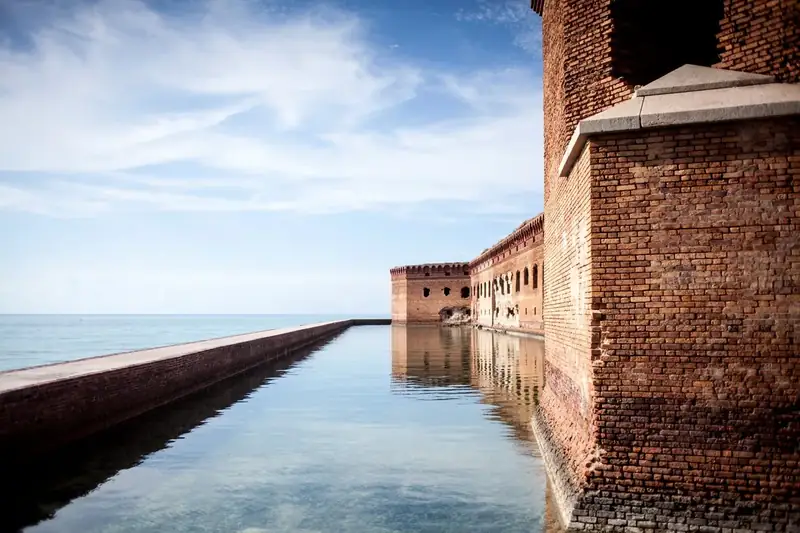
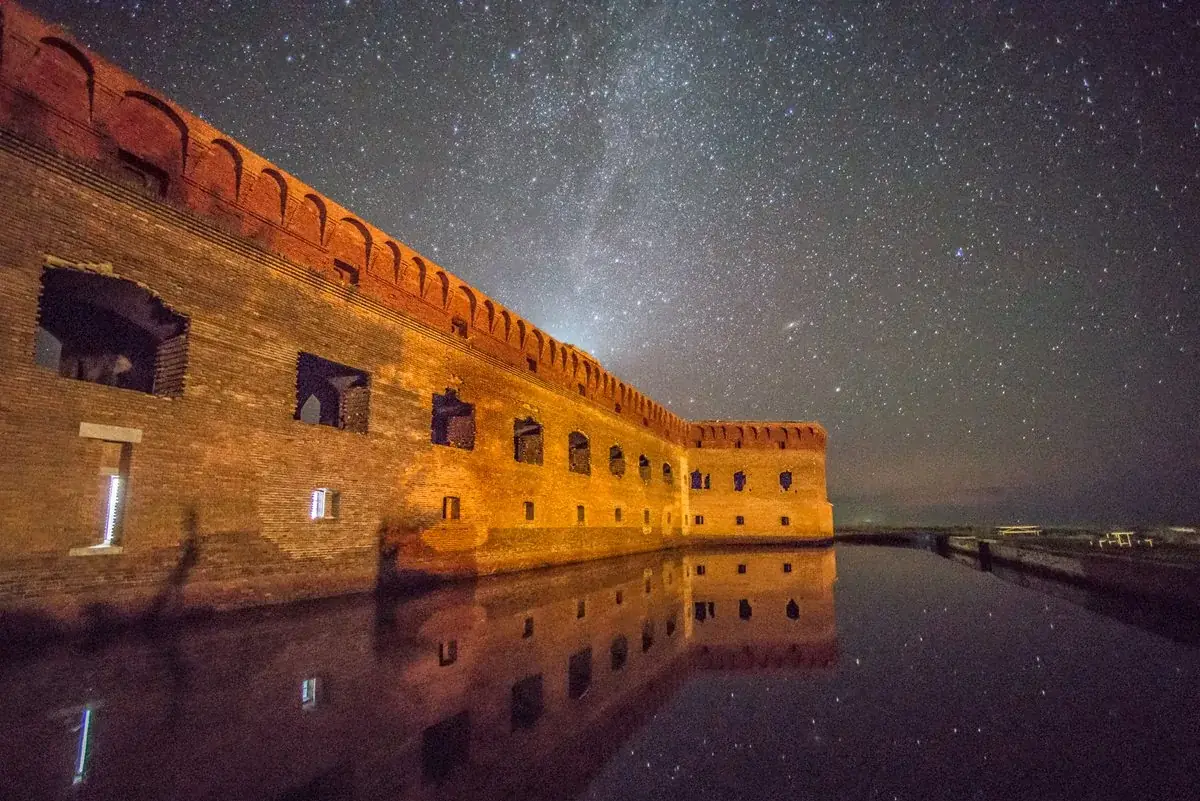
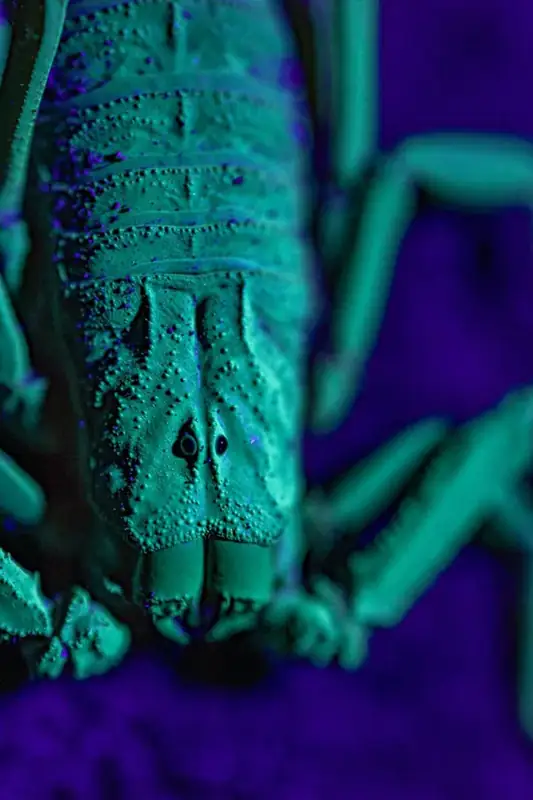
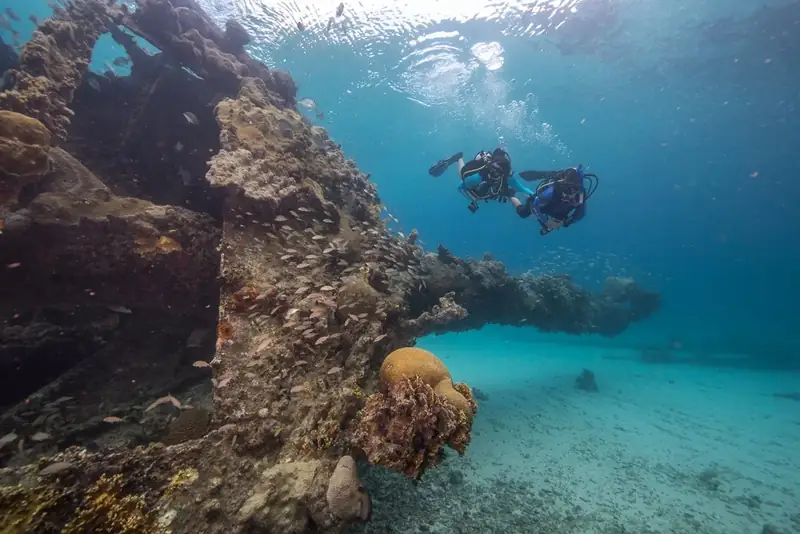
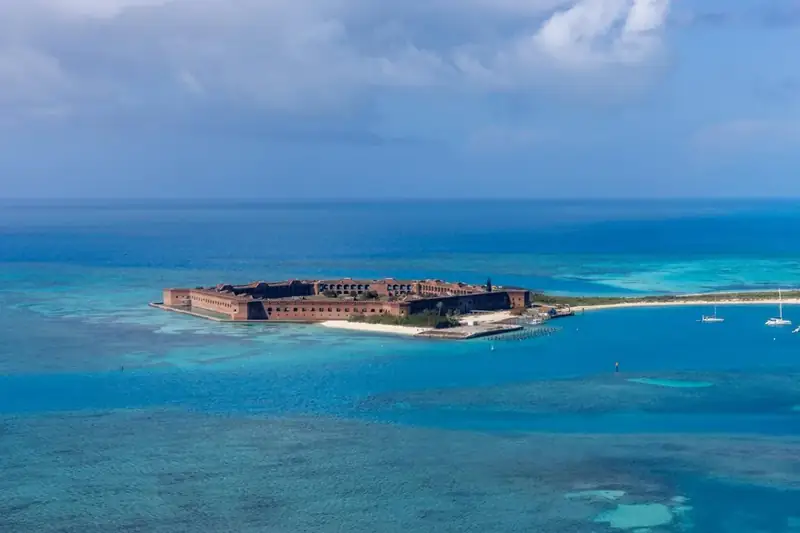
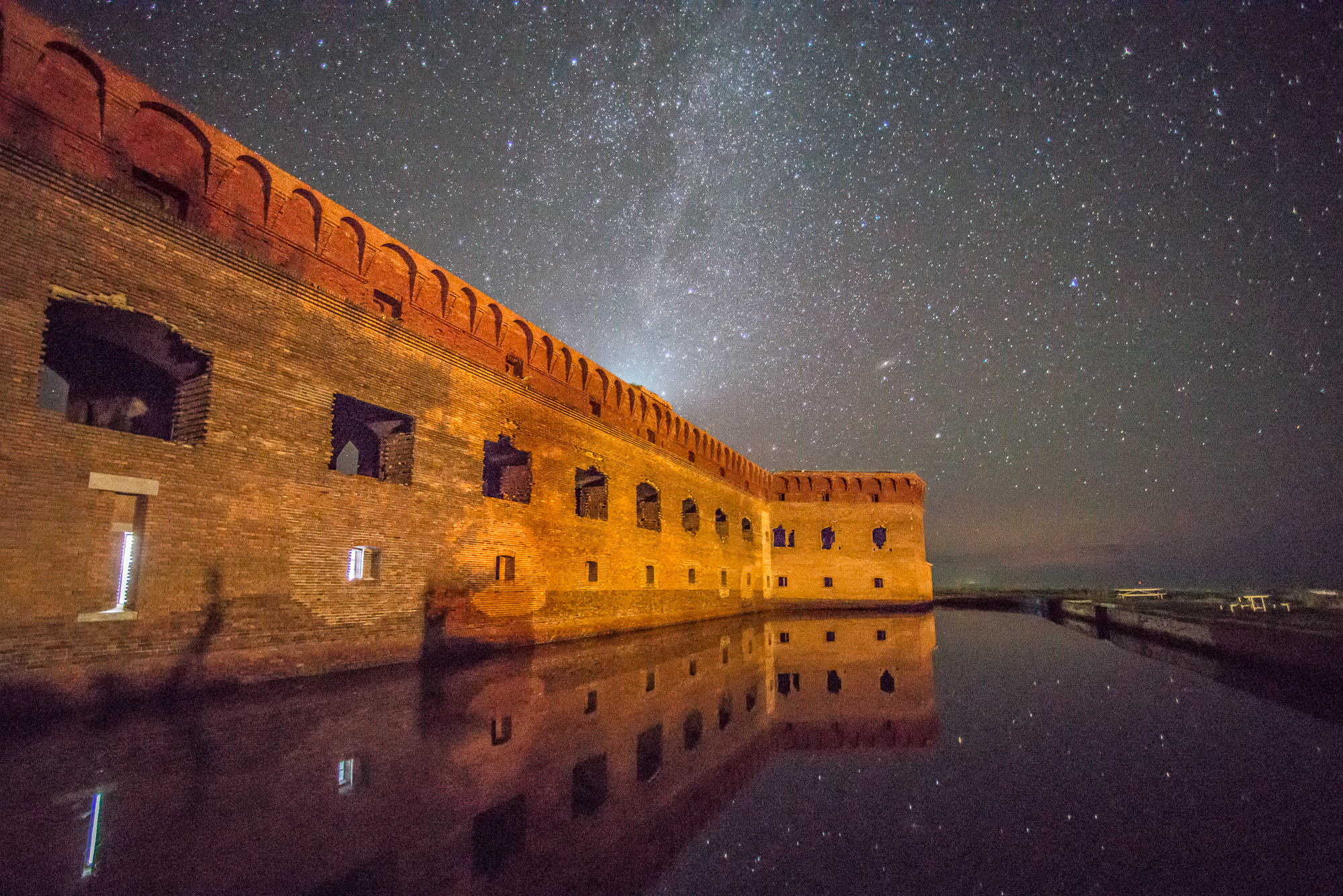
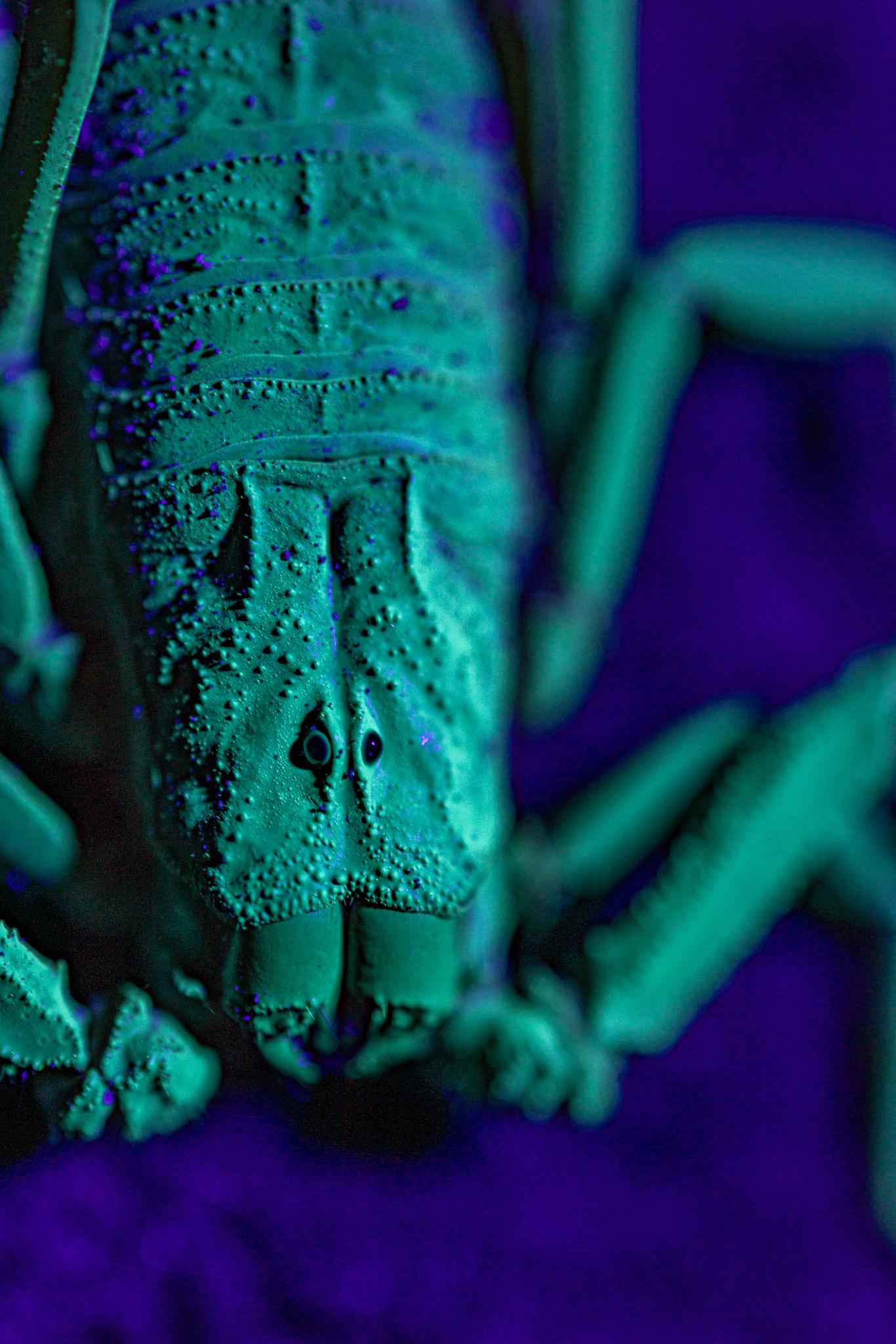
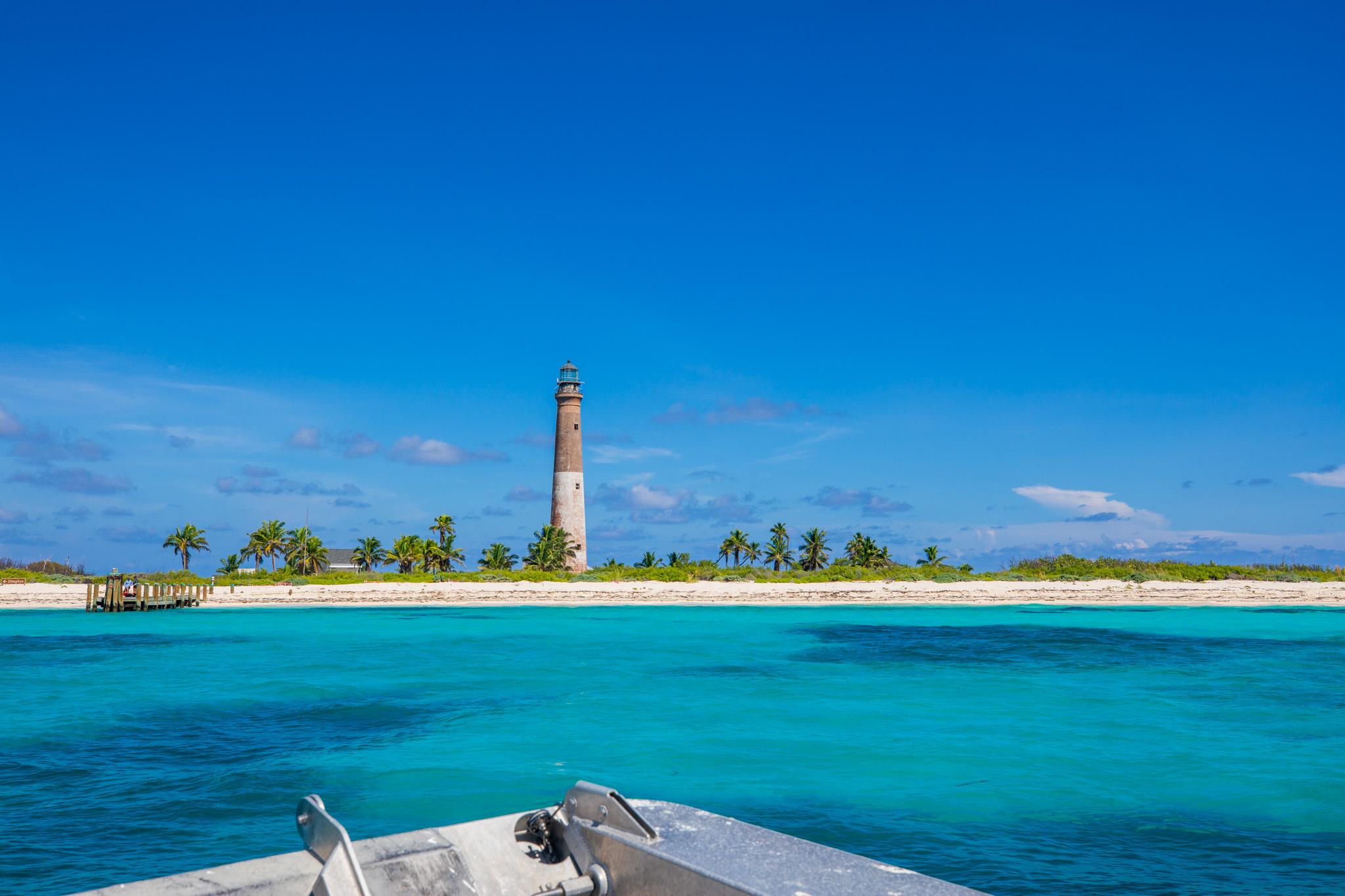

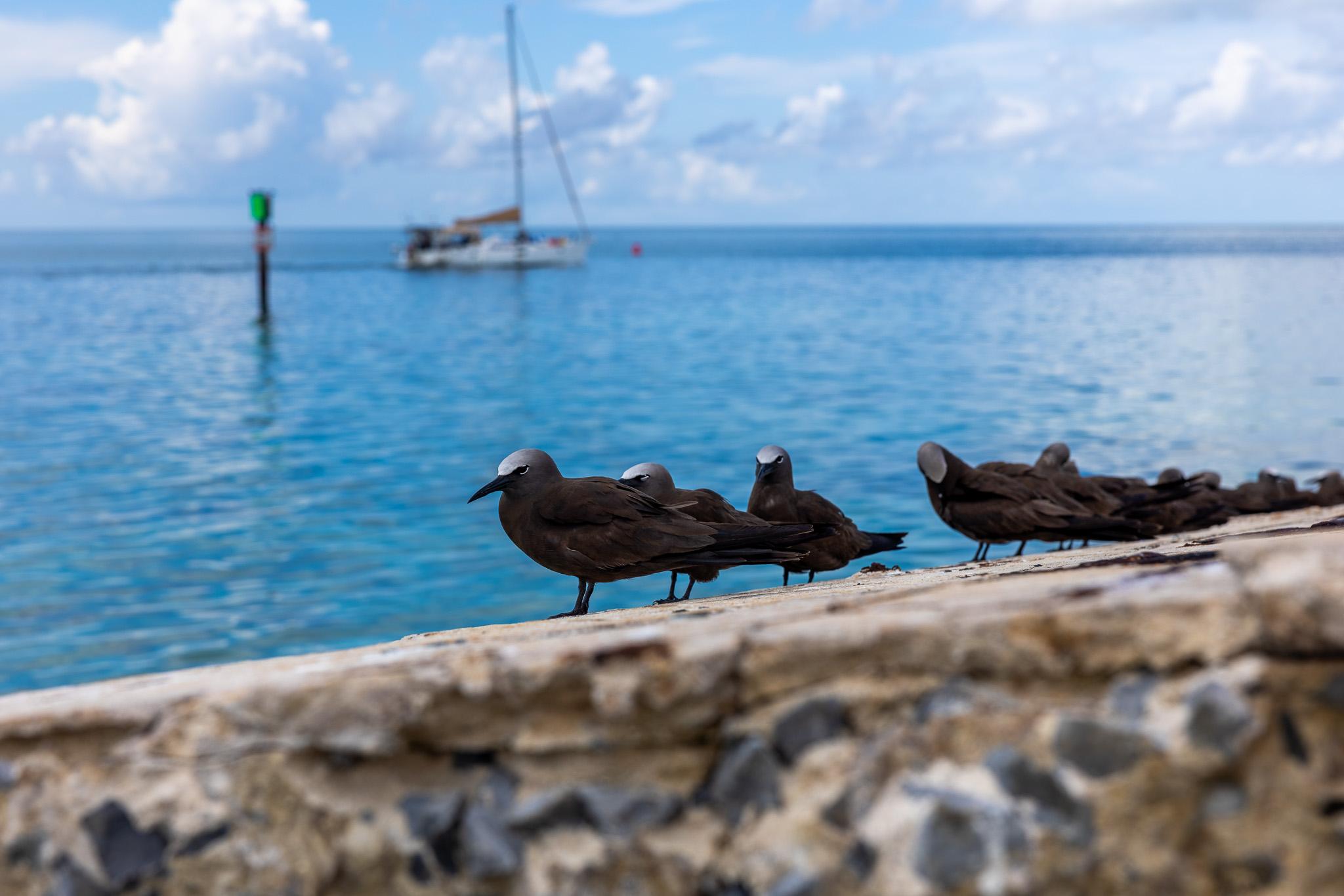

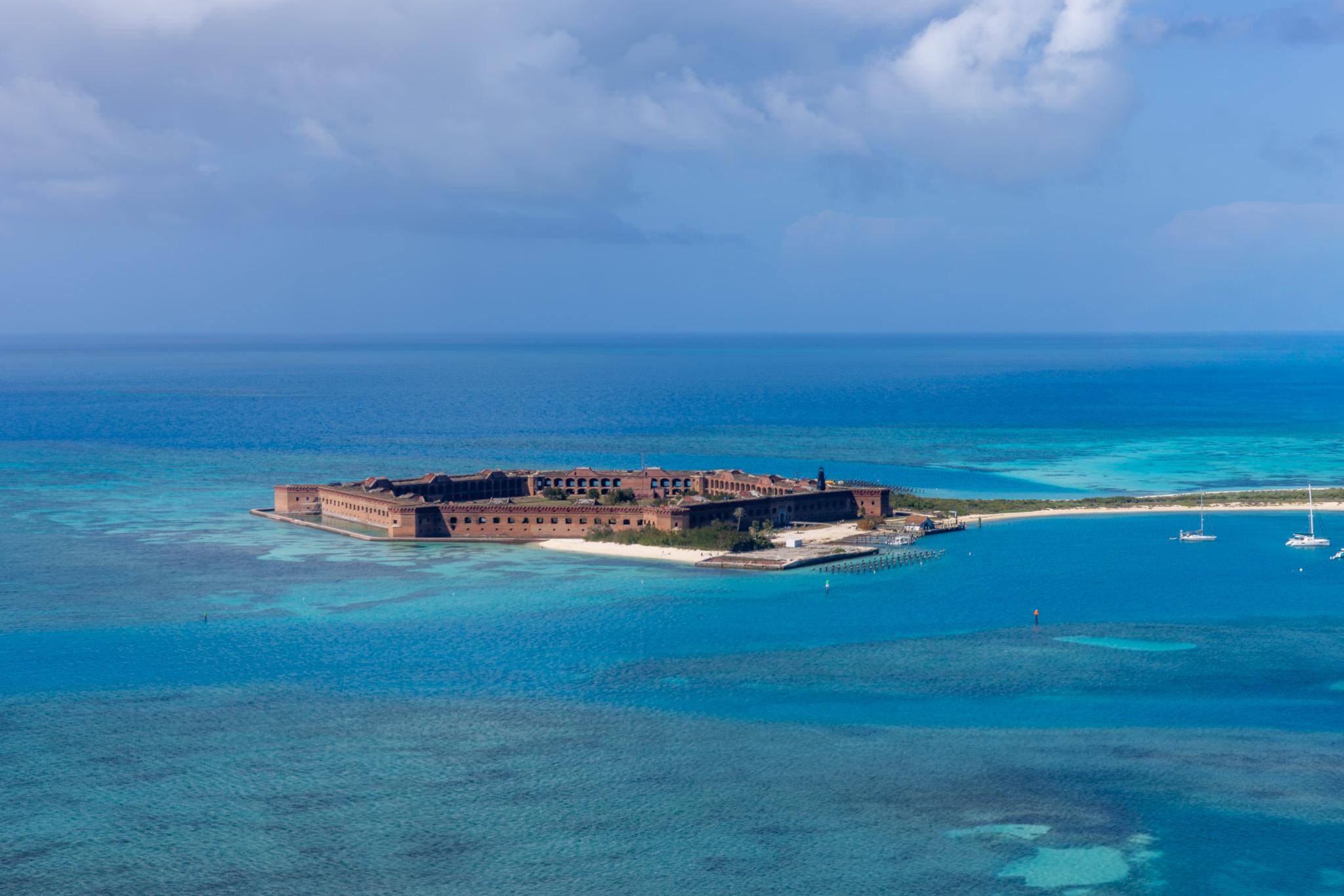
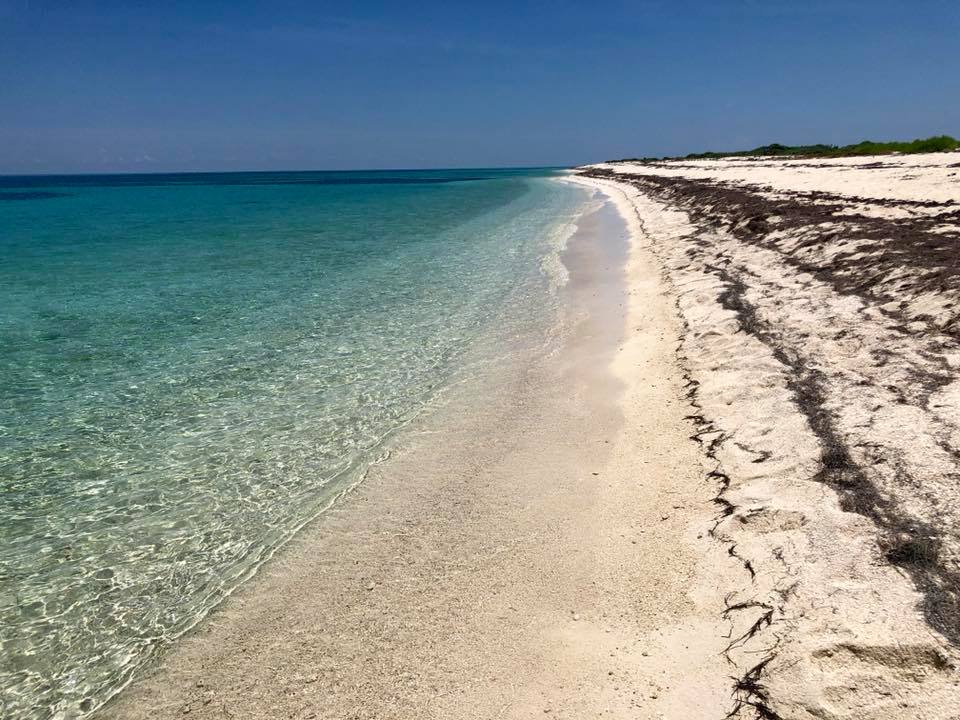


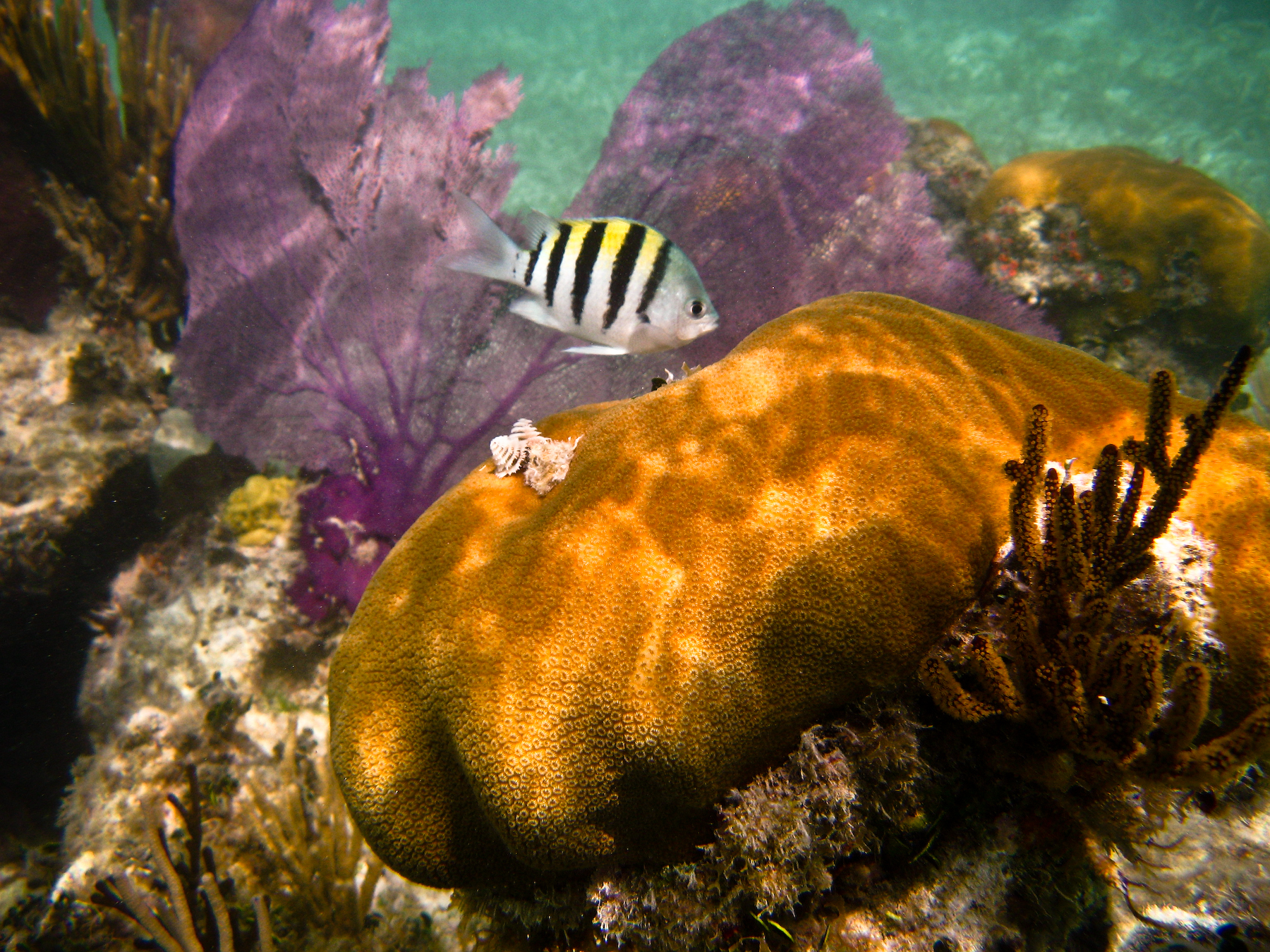

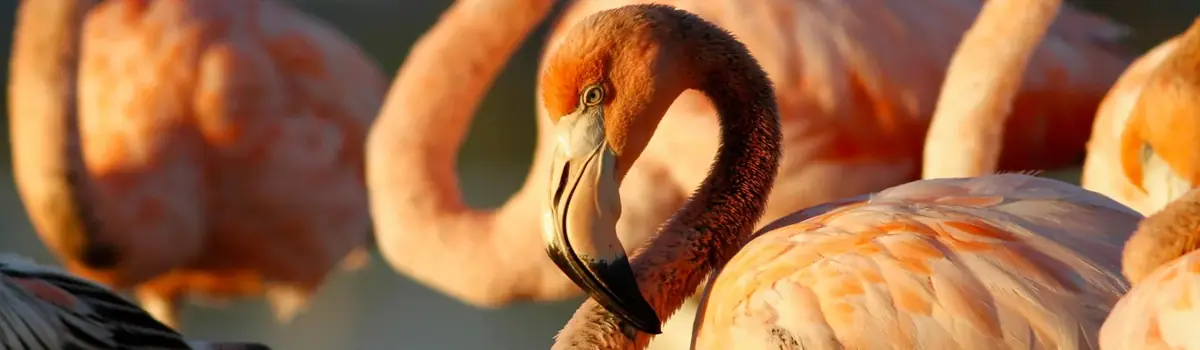 Lakes & rivers