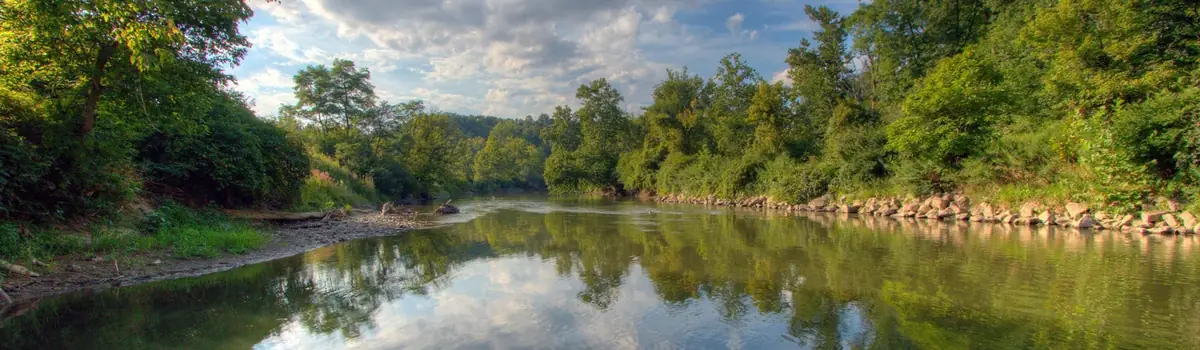
Lake Michigan's might has influenced Indiana Dunes for millennia. Wind and waves have shaped the land, leaving a rich mosaic of habitats along these 15 miles of Indiana coast. Over 50 miles of trails lead through shifting sand dunes, quiet woodlands, sunny prairies and lush wetlands. Known for its striking plant and bird diversity, it's easy to find inspiration throughout the park’s 16,000 acres.
15.3Kacres of parkland
2.6Mrecreation visits, 2025
Jun · Aug · Sepnearby climate picks
Seasonal access & reservations
No reviewed guidance for this selection. Check the park's official planning pages; missing coverage does not establish access.
Selected guidance only; separate from climate comfort and current conditions.
Official conditions Not checked
The conditions feed has not been connected for this park.
Editorial recommendations, reviewed 2026-10-17. Full park days, excluding travel to and from the region. A first-visit outline for a general traveler; adapt to mobility, fitness, season, reservations, and current conditions. These are suggested days, not reserved activities or guaranteed routes.
100-vehicle parking lot including bus & RV parking spaces.
Displays showing information about Indiana Dunes National Park, Porter County, and Indiana Dunes State Park.
America the Beautiful - National Parks and Federal Lands Recreation Passes. All passes including the Annual, Access, Active Military, Senior Lifetime, and Senior Annual can be obtained at the visitor center.
National Parks Passport cancellation stamp.
View artist exhibits.
Enjoy the Activity Room.
Watch two short orientation videos.
Shop in the Eastern National bookstore.
Pick up brochures about Indiana Dunes National Park, Porter County, and Indiana Dunes State Park.
The Indiana Dunes National Park and Indiana Dunes Tourism share this visitor center. Consider visiting the Paul H. Douglas Center for Environmental Education for the park film, trail maps, NPS passport stamps or any questions!
Fifteen miles of sandy beach along the southern shore of Lake Michigan offer a wide variety of recreational activities. Whether it's enjoying a summer sunset stroll or marveling at the arctic beauty of Lake Michigan's shelf ice, you can enjoy the beach in all seasons.
There are several beach parking lots along the Indiana Dunes National Park, all with potable water and restrooms. Most beaches and parking lots are open daily from 6:00 am to 11:00 pm, with the exception of West Beach and Porter Beach that close at 9:00 pm .
West Beach has locker rooms, showers and lifeguards from the Friday of Memorial Day weekend through the Monday of Labor Day weekend. Lifeguards are on duty between the hours of 10:00 am and 6:00 pm, which includes set up and take down of equipment.
Portage Lakefront and Riverwalk Beach
Lake View Beach
Central Avenue Beach
Mount Baldy Beach
Indiana Dunes National Park has an entrance fee. You do need to purchase a pass to enter this national park and locations listed above. For information on how to purchase passes visit our Fees & Passes page.
Beach parking lots fill up very quickly on summer weekends and holidays. A pilot program is introduced and information can be found at our Beach Parking Page . Several lots including Lake View, Dunbar, Kemil, Porter and Portage Lakefront and Riverwalk fill up as early as mid-morning. It's best to arrive early or wait until late afternoon when parking spots become available as visitors depart. West Beach's lot holds nearly 642 cars and rarely fills up except on holiday weekends. All parking lots are located close to the beaches. West Beach and Kemil Beach parking is located one-quarter mile away from the lake while Portage Lakefront and Riverwalk and Central Avenue parking is one-eighth mile from the water's edge. Mount Baldy's beach is 0.75 miles to the beach. Wheelchair accessible parking lots with views of Lake Michigan include West Beach, Portage Lakefront and Riverwalk Beach, Porter Beach, Lake View Beach, and Central Avenue Beach.
Prohibited Activities on the Beach
The removal of natural items such as rocks , shells, and fossils.
Wood and charcoal fires on the beach . West Beach and Lake View Beach do have dedicated grills in the picnic areas.
The possession or use of metal detectors anywhere within Indiana Dunes National Park.
Glass containers on all beaches.
Rules for pets differ for each beach area. Please visit the Pet Information Page.
Launching, landing or operating any unmanned aircraft (e.g. model airplanes, quadcopters, drones ) on lands and waters administered by the National Park Service within the boundaries of Indiana Dunes National Park except as approved in writing by the superintendent.
Beach-going Tips
Bring plenty of water, sunscreen and insect repellent. Wear a hat, shoes and sunglasses.
Stay on marked trails to protect the plants and animals of the dunes.
Stay out of the water when rip current warnings are posted.
Stay off the shelf ice. It is full of hidden, thin spots and gaps that people can fall through.
Stay out of the water when signs are posted to alert you to high bacteria counts. The bacteria may harm your health.
Watch for strong winds blowing away from the beach that can hijack rafts and beach toys.
Do not feed the gulls or other birds. Human food is unhealthy and encourages them to flock. When they flock, they make the beach dirty.
Swimming Safety Tips
Rip Currents pose the most significant threat of drowning in Lake Michigan. Rip currents are caused by a sudden break in an offshore sandbar that releases water rapidly back into the lake. Rip current conditions often occur on wavy days when the wind is out of the north. These dangerous currents can also occur in waters adjacent to seawalls, artificial reefs, and erosion control structures; stay clear of these areas. Obey posted and verbal rip current warnings. If being pulled out into deeper water by a forceful, unexpected rip current: f ollow the current or try to swim out of it by swimming parallel to shore until the pull outward subsides.
Rip currents are caused by a sudden break in an offshore sandbar that releases water rapidly back into the lake. Rip current conditions often occur on wavy days when the wind is out of the north. These dangerous currents can also occur in waters adjacent to seawalls, artificial reefs, and erosion control structures; stay clear of these areas. Obey posted and verbal rip current warnings.
If being pulled out into deeper water by a forceful, unexpected rip current: f ollow the current or try to swim out of it by swimming parallel to shore until the pull outward subsides.
Use caution when swimming in Lake Michigan. The bottom is uneven with holes and deep drop-offs. These inshore holes are very dangerous to small children and non-swimmers.
Swim with a U.S. Coast Guard approved personal flotation device (PFD)
Parents and guardians must keep a constant watch of children in the water; young children should be within arm's reach at all times.
Stay out of the water when when waves are high.
For more information, visit the National Weather Service's page on Great Lakes Safety
Be on the lookout this summer for rip currents on Lake Michigan.
Before your next visit to the beach, learn how to spot a rip current and what to do if you get caught in one. Always check the local beach forecast for any warnings, and exercise caution.
If Caught in a Rip Current
Don't fight the current
Swim out of the current, then to shore
If you can't escape, float or tread water
If you need help, call or wave for assistance
Rip Current Safety
Know how to swim
Never swim alone
If in doubt, don't go out
More information about rip currents can be found at the following websites: www.ripcurrents.noaa.gov and www.usla.org .
Stay off the shelf ice! Despite its unusual beauty, don't risk your life. Enjoy the view of the shelf ice—from a distance!
Discover much more than just sand dunes as you bike on an interconnected trail system that spans 37 miles across the entire length of the national park.
A wide variety of trails traverse the various habitats and cultural history of Indiana Dunes National Park. The varying lengths make it easy to choose the trail that's right for you. From a short easy ride to a challenging all-day trek, most of the trails are open all year and the experience will change with each season. E-bikes are allowed in Indiana Dunes Nationa Park where traditional bicycles are allowed. E-bikes are prohibited where traditional bicycles are prohibited. Except where use of motor vehicles by the public is allowed, using the electric motor to move an e-bike without pedaling is prohibited. The term "e-bike" means a two-or-three wheeled cycle with fully operable pedals and an electric motor of less than 750 watts (1 horsepower). SAFETY NOTE - Please use caution on gravel portions of the Marquette Bike Trail and Calumet Bike Trail. The gravel surface can be uneven and rough. You may have to dismount and walk your bike around these sections if you are unsure on your abilities to navigate them.
Trail Improvements and Updates
Marquette Greenway Construction – Trail Closures in 2026
Trail ClosuresGlenwood Dunes Trail System
Little Calumet / Mnoké Prairie Trail System
How to Stay Updated
On‑Site Notices and Visitor Safety
About the Project
Biking Trail System
Calumet Bike Trail Gravel, 19.0 miles round trip, flat.
Dunes Kankakee Bike Trail Paved, 3.6 miles round trip, paved, flat.
Porter Brickyard Bike Trail Paved, 7.0 miles round trip, some hills.
Prairie Duneland Bike Trail Paved, 22.4 miles round trip, rail trail, flat.
Marquette Bike Trail Gravel, 4.6 miles round trip, rail trail, flat.
Oak Savannah Bike Trail Paved, 17.8 miles round trip, rail trail, flat.
Located at the southern tip of Lake Michigan, the national park is an important feeding and resting area for migrating birds. Lake Michigan influences the migration patterns of bird species. During the fall migration, southbound birds follow the north-south shoreline and are funneled into the Indiana Dunes. The large expanse of open water and miles of shoreline also attract large numbers of wintering birds.
The Indiana Dunes provides an excellent opportunity for birders to see a variety of bird species. Birders can observe hawks during migration from the top of a sand dune, watch waterfowl with a spotting scope from the shoreline, or look for wetland birds in remnant sections of the Great Marsh. Whether you have beginner or advanced identification skills, Indiana Dunes National Park is a great place for birders. The national park plays an important role in the annual Indiana Dunes Birding Festival , which take place the third weekend in May. This incredible four-day event showcases dozens of birding spots around the region with expert led outings. Additional information about birds and bird watching around the Indiana Dunes can be found here .
Phone: 219-395-1882 (The Indiana Dunes Visitor Center handles all campground questions).
Campground Open Dates
April 1 through November 1.
Dunewood Campground Map (En Español)
Sites 1-54 are conventional drive-in sites for RVs and/or tents. RV length is limited in some sites.
Sites 55-67 are for tent camping only.
Sites 15, 30, 41, and 55 are wheelchair accessible.
Restrooms and showers are located in the center of each loop.
No electric or water hookups at individual sites. There is potable water located at several locations in each loop.
The campground does have a RV dump station.
$25.00 per night camping fee (expanded amenity fee).
All camp sites are reservable in advance at www.recreation.gov starting six months in before the check-in date. Sites are reservable beginning on November 15 for the following camping season.
50% discount for the following America the Beautiful - The National Parks and Federal Recreational Lands passes: Senior Annual, Senior Lifetime, and Access Passes.
No discount for the following America the Beautiful - The National Parks and Federal Recreational Lands passes: Annual (non-senior), Military, Volunteer, and 4th Grade.
Attractions / Services
Lake View Beach on Lake Michigan is located 1.5 miles north of the campground.
Do NOT park in the Town of Beverly Shores' beach parking lot, which is located just to the east of the Lake View lot. You will get ticketed. The town is very strict.
Several other national park beaches are within easy driving distance.
A gas station / convenience store is located ¼ mile north of the campground at the intersection of U.S. Highway 12 and Broadway Avenue.
The Beverly Shores South Shore Railroad station with passenger service to Chicago and South Bend is located on Broadway Avenue, ¼ mile north of the campground.
The Indiana Dunes Tourism and LaPorte County Convention & Visitors Bureau have lists of area campgrounds on their websites.
Check-in Information
All sites are reservable at recreation.gov starting six months in advance of the check-in date. Sites are reservable beginning on November 15 for the following camping season. If the dates you are looking for are reserved, be sure to select the "Set Availability Alert" to be notified if sites become available.
If the dates you are looking for are reserved, be sure to select the "Set Availability Alert" to be notified if sites become available.
Check-in is not required, although a campground host is often avaiable near the Campground Information Center to assist registered campers.
Check-out is noon. New "check-ins" cannot occupy your site until noon, unless the site is vacant.
Camping Guidelines
Stays are limited to 14 days in a 30-day period.
Quiet hours are daily, 10:00 pm to 6:00 am. Please be considerate of others.
All tents and equipment must be set up on the camping pad.
A maximum of 8 people per site.
All vehicles and RV campers must remain completely on the pavement.
Bikes can be walked to the tent sites.
Pets must be attended and on a leash of 6 foot or less.
Prohibited Activities
Driving over 15 MPH on campground roads
Bicycles / vehicles off of paved roads
Campfires outside of the provided grates
Damaging of trees especially cutting or driving nails in trees
Digging / leveling the campsite
Bathing / washing at water outlets
Disturbing / hunting / capturing wildlife or plants
Partial Closure of Little Calumet River Water Trail
Due to construction on Waverly Road Bridge, East Branch of Little Calumet River is currently closed to boating, swimming, floating, and paddling between Taylor Street Launch and Howe Road Launch.
Fishing is allowed under federal, state and local laws. You need an Indiana Fishing License and a stamp if fishing for trout and salmon. Fishing is only permitted using a hook and line, with the rod or line being closely attended.
Chumming or placing preserved or fresh fish eggs, fish roe, food, fish parts, chemicals, or other foreign substances in fresh waters for the purpose of feeding or attracting fish in order that they may be taken is not permitted. Digging for bait, or using for bait any plant, animal, worm, or insect from within the park is also prohibited.
Watch for drop-offs in creeks and along beaches.
Boaters must stay 500 feet away from marked swimming areas, even when beaching. Nearby communities offer boat-launches.
Visitors actively engaged in fishing can use Portage Lakefront and Riverwalk 24-hours/day.
For additional information about fishing we recommend visiting the following web links:
Indiana's Lake Michigan Shoreline & Tributaries Fishing
Where to Fish in Porter Country
Where to Fish in LaPorte County
Where to Fish in Lake County
Lake Michigan and Other Navigable Waters
Boats and Watercraft
Personal watercraft (PWC) are prohibited in park waters. This includes popular brands like Jet-Ski and Sea-Doo.
Sailing & Powerboating
Sailing and power boating are popular on Lake Michigan. There are no marinas, boat rentals or boat launches within the national park. There are services are available through commercial and city facilities in Porter, Lake and LaPorte counties. Check these county tourism links for information.
Porter County: www.indianadunes.com
Lake County: www.southshorecva.com
LaPorte County: www.michigancitylaporte.com
Kayaking is increasingly popular on Lake Michigan since the inception of the Lake Michigan Water Trail and in area waterways like the Little Calumet River and Burns Waterway. Try a new challenge by kayaking the Little Calumet River Water Trail: East Branch . Launching hand-carried, non-motorized boats from any Indiana Dunes National Park beach is permitted with the exception West Beach's lifeguarded swimming area (Friday of Memorial Day weekend through the Monday of Labor Day weekend). Lake Michigan’s water conditions can quickly change from calm to dangerous, so check the weather forecast and always use a certified personal flotation device.
Canoeing is also popular on the region's rivers, lakes, and waterways. Paddling on Lake Michigan can be especially dangerous due to frequent windy conditions and large waves. Paddling a Great Lake is much different than any other type of water experience, because Lake Michigan is always changing. You have to be very cautious and concerned about the weather. On a calm July day, with little wind and no waves, a novice might feel comfortable paddling in the lake and hugging the shoreline. But out beyond the buoys, everything changes. Currents are stronger; the water is deeper and colder, and large boats are prowling —like really large boats—ore barges and freight vessels coming into the Port of Indiana. You don’t want to get in their way. Only experienced paddlers are encouraged to navigate longer distances of the Lake Michigan Water Trail. If you want to try it, be prepared. Know the weather forecast, and never paddle without a personal flotation device.
Boating Guidelines
Swimmers always have the right of way.
The use of watercraft in the designated West Beach swimming area is prohibited.
The launching of motorized vessels of any type from lands within the Indiana Dunes National Park is prohibited.
With the exception of West Beach's lifeguarded swimming area, the park's beaches are approved for launching non-motorized vessels (canoes, kayaks, sailboats, etc.).
Specific to West Beach, non-motorized vessels without a mast (no sailboats or windsurfing) may be launched and recovered. Vessels must stay at least 100 yards away from the West Beach swim area on the beach.
All vessels must be non-motorized, single hull design, no longer than 18 feet in length and able to be carried by 1-2 people. Boats must be carried on designated, government provided paths, walkways and stairs. Vessels may not be dragged over any dunes. Loading and unloading may not take place along any roadway. All launching and recovery must be accomplished without the use of motorized equipment or vehicles.
Discover much more than just sand dunes as you hike through 15 distinct trail systems covering more than 50 miles of trails.
A wide variety of hiking trails traverse the various habitats and cultural history of Indiana Dunes National Park. The varying lengths and difficulty levels make it easy to choose the trail that's right for you. From a short easy stroll to a challenging all-day trek, most of the trails are open all year and the hiking experience will change with each season.
Paper trail maps are available at the Indiana Dunes Visitor Center , the Paul H. Douglas Center for Environmental Education , and at each trailhead kiosk. To help ensure that your hike is both safe and enjoyable, visit Trail Safety .
15 Hiking Trail Systems
Bailly Homestead, Chellberg Farm, Little Calumet River and Mnoké Prairie Trails Featured hike: Easy to moderate, 3.4 miles in length, hike time of 2.5 hours. Hike through a forest dominated by maple, beech, basswood and oak trees. Follow a stretch of the Little Calumet River and explore the recently restored Mnoké Prairie. Explore the historic Bailly Homestead and Chellberg Farm.
Calumet Dunes Trail Featured hike: Easy, 0.5 miles in length, hike time of 20 minutes. This short hike on a paved trail features the Calumet Dunes ridge, which was the shoreline of Lake Michigan over 12,000 years ago.
Cowles Bog Trail Featured hike: Moderate to rugged, 4.7 miles in length, hike time of 4 hours. This hike highlights an area of such outstanding plant diversity that it was designated as a National Natural Landmark. Explore several distinct habitats including ponds, marshes, swamps, black oak savannas and beaches.
Dune Ridge Trail Featured hike: Moderate, 0.7 miles in length, hike time of 30 minutes. This hike offers great views of the extensive wetlands and forests south of this tall, forested dune. Perhaps no other area in the national park will take you through as many diverse habitats in such a short trail.
Glenwood Dunes Trails Featured hike: Moderate, 6.8 miles in length, hike time of 4 hours. This extensive trail system features interconnected loops in mature woods ranging from less than a mile to nearly 15 miles and is popular with hikers, runners, horseback riders and cross-country skiers.
Great Marsh Trail Featured hike: Easy, 1.3 miles in length, hike time of 1 hour. A really nice birding hike with views of the largest wetland complex in the Lake Michigan watershed. Features a separate wheelchair accessible paved trail with quick access to an observation deck.
Heron Rookery Trail Featured hike: Easy, 3.3 miles in length, hike time of 2 hours. This hike follows a portion of the Little Calumet River. In the spring, the woodlands along this trail are blanketed with the most extensive display of spring wildflowers in the national park.
Hobart Prairie Grove Trails Hobart Woodland hike: Easy, 2.2 miles in length, hike time of 1.5 hours. This hike has views of forested ravines, bur oak savanna, and scenic Lake George. Oak Savannah Bike Trail hike: Easy, 4 miles in length, hike time of 2 hours. This paved rail trail offers scenic views of Lake George and mature forests and is great for hiking and biking.
Hoosier Prairie Trail Featured hike: Easy, 0.7 miles in length, hike time of 1 hour. This hike winds through prairie, wetland, and oak savanna habitats with spectacular biodiversity.
Mount Baldy Beach Trail Featured hike: Moderate to rugged, 0.75 miles in length, hike time of 1 hour. This hike is short with a steep climb down loose sand to reach Mount Baldy beach.
Paul H. Douglas Trail (Miller Woods) Featured hike: Moderate, 3.4 miles in length, hike time of 2 hours. This hike through Miller Woods winds through several habitats including wetlands, globally rare black oak savanna, open dunes and beach. The views of the lake and the dunes are incredible.
Pinhook Bog Trails Upland hike: Moderate, 2.1 miles in length, hike time of 1.5 hours. The Upland Trail highlights a rich beech and maple forest growing on top of a glacial moraine formed about 15,000 years ago. The Upland Hike is open to the public year round without the need for a guided tour. Bog hike*: Easy, 0.9 miles in length, hike time of 1 hour. The Bog Trail leads to a bog in a depression in the moraine created when a large piece of ice broke off the melting glacier. The bog features an incredible habitat with unique plants. * Restricted Access. Access to Pinhook Bog requires advance approval and accompaniment by authorized staff. There are ranger-led open houses on weekends in the summer. Program dates and times can be obtained by calling the Indiana Dunes Visitor Center at (219) 395-1882. Information is also listed in the park's newspaper The Singing Sands and on the park's website calendar and Facebook page .
Portage Lakefront and Riverwalk Trail Featured hike: Easy, 0.9 miles in length, hike time of 45 minutes. This popular location is a great place to view the ever-changing seasons along Lake Michigan and watch dramatic weather and clouds build over the lake. It's an easy location to watch for migrating birds in the spring and summer, and observe shelf ice that forms along the beach edge in the winter.
Tolleston Dunes Trail Featured hike: Moderate, 2.9 miles in length, hike time of 2 hours. This hike winds amid varied habitats ranging from oak savanna to wetlands and plants such as prickly pear cactus, butterfly weed and lupines. Features a separate wheelchair accessible trail with quick access to an observation deck with picnic tables.
West Beach Trails 3-Loop Hike: Moderate to rugged, 3.4 miles in length, hike time of 2.5 hours. Dunes Succession Hike: Moderate, 0.9 mile in length, hike time of 45 minutes. These trails offer a great combination of hiking and relaxing at the beach. The trails are varied and encompass many habitats. There are great views from the top of the Dune Succession Trail stairs, a beautiful pinery of jack pines, birding opportunities along Long Lake and secluded sections of forest.
Register for a free geocaching account at www.geocaching.com
Enter your search location
Choose a geocache in the search results and click navigate Different icons represent the different types of geocaches (see below) Difficulty indicates how hard it is to find the object Terrain indicates how hard it is to get there
Different icons represent the different types of geocaches (see below)
Difficulty indicates how hard it is to find the object
Terrain indicates how hard it is to get there
Use your GPS-enabled device to locate the hidden geocache, be careful not to trample plants in your search
Sign the logbook and return the geocache to its location
In the app, mark the geocache as found and share your story online
NPS Photo / J. Manuszak
Traditional Geocaches
NPS Photo / K. George
NPS Photo / S. Bensing
❤ Support your park.
Donate to the Indiana Dunes National Park. Donations will be used to fund maintenance projects and enhance activities at the park.
Indiana Dunes National Park preserves much more than nature. There are over 60 historic structures including a National Historic Landmark, the Bailly Homestead. Other notable sites include Camp Good Fellow, the Chellberg Farm and five houses from the 1933 Chicago World's Fair.
In keeping with the world fair's "Century of Progress" theme, the House of Tomorrow, Florida Tropical, Armco Ferro, Wieboldt-Rostone and Cyprus Log House featured innovative building materials, modern home appliances and new construction techniques. Later moved to Northwest Indiana to promote the new community of Beverly Shores, these houses were included in the national lakeshore in the early 1970's.
Today, four of the five of the homes have been rehabilitated with private funds through a partnership with Indiana Landmarks .
Learn more about the historic sites and stories of the national lakeshore by attending park programs and tours and stopping at the Indiana Dunes Visitor Center for free materials or sales items at the Eastern National bookstore.
The Glenwood Dunes Trail is the national park's only equestrian trail. Horseback riding is permitted on the specified portion of the Glenwood Dunes Trail System from March 16 to December 14. However, if there is sufficient snow cover for cross-country skiing (3 inches or more) before December 15 or after March 15, the trail will remain closed to horseback riding. Horses are prohibited in the winter to prevent accidents with cross-country skiers on the trail.
The parking lot is large enough for horse trailers. In the parking lot and picnic area, all horse excrement must be bagged, removed from the area and disposed of appropriately. There is no horse rental concession. Horses are prohibited on all roads. Click here for detailed information on the Glenwood Dunes Trail System and specific information on horseback riding including the authorized areas.
Trailhead Parking Lot 1475 North Brummitt Road, Chesterton, IN 46304
For more information, please call (219) 395-1882 or visit the park’s Facebook page . Passes are required for programs within the park. For more information, visit our Fees & Passes page .
Covered picnic shelters with tables are located at the following locations along with modern restrooms. Cooking fires are permitted in the provided grills or an approved carry-in grill. An approved grill is a noncombustible container with an enclosed bottom and enclosed sides with a minimum depth of two inches. Charcoal must be cooled and safely disposed of in a noncombustible container or removed from the area. The following picnic shelters can be reserved in advance:
Bailly Chellberg . There are three covered picnic shelters near the parking lot with one that is wheelchair accessible. The shelters are reservable at www.recreation.gov starting six months in advance of the desired use date. The reservation is good for day use from 6:00 am to 11:00 pm Central Time.
West Beach . There are eight covered picnic shelters near the parking lot with two that are wheelchair accessible. The shelters are reservable at www.recreation.gov starting six months in advance of the desired use date. The reservation is good for day use from 7:00 am to 9:00 pm Central Time. The shelter reservation does not waive the West Beach car entrance fee collected during the summer months.
The following picnic shelters are available on a first come, first served basis:
Glenwood Dunes .
Lake View Beach .
The above locations (West Beach, Bailly Chellberg, Glenwood Dunes, Lake View Beach, Mount Baldy, and Tremont) are the only park areas that have designated locations for cooking fires / grilling. Approved carry-in grills can only be used in the picnic areas of these locations. Cooking fires / grilling / campfires are not permitted in parking lots or on any beaches or trails. Picnic tables are also provided in the Paul H. Douglas Center for Environmental Education's picnic area and Nature Play Zone, Central Avenue Beach parking lot, Dunbar Beach parking lot, Porter Beach south parking lot, Pinhook Bog parking lot, and at the Tolleston Dunes Overlook . Cooking fires are not permitted at these locations.
The night sky is a glittering dome peppered with stars, planets, and passing meteors. For millennia, our ancestors experienced a dark night sky. Cultures around the world told stories about the constellations and used the stars as a calendar. Only for the past few generations have humans been denied the chance to stand in awe of the heavens. Artificial lighting and atmospheric pollutants wash out the light of the stars, making them less visable or completely absent. Although Indiana Dunes National Park is near urban areas, the lakeshore offers unexpectedly dark skies. Lake Michigan's massive footprint to the north keeps the sky near the lakefront much darker than surrounding areas.
Learn how you can help preserve the Night Sky
Visitors can best view stars and the Milky Way on a clear night and moonless nights. While stars can be seen all along the shore, light pollution from surrounding communities does impact Indiana Dunes' night skies—so some areas of the park are darker than others.
Kemil Beach and parking lot is open 24 hours a day to allow for experiencing night at Indiana Dunes. It is located between Indiana Dunes State Park and Beverly Shores, the 7th designated Interntional Dark Sky Community in the world.
Things to Remember
Overnight camping is not allowed along roadsides or in parking lots.
Only Kemil Beach parking lot is 24/7. Porter Beach and West Beach close at 9:00 PM CST while all other parking lots close at 11:00 PM CST.
Pets must be leashed at all times
Watch your step in the darkness (use a red light flashlight or headlamp; wear closed-toed shoes).
Earl H. Reed, Art Institute Chicago
Tips for Stargazing
Use Red Lights Only
Do not use bright white flashlights, headlamps, or cell phones. It takes 20-30 minutes for the human eye to fully adjust to very low light conditions. Bright lights delay this process. You can turn a regular flashlight into a red light by covering it with red cellophane, tape, fabric, paper, or similar materials.
Temperatures drop quickly in the evening. Bring extra layers of warm clothing.
You may be on your feet and looking up for long periods of time. A lightweight folding chair will help keep each person in your group comfortable and reduce strain. Do no trample vegetation.
Watch Your Step
Plants, nocturnal animals, and uneven surfaces may be difficult to see at night. Use a red light to check your viewing are for hazards.
Bright moonlight reduces the number of stars you'll see. Check the moon's phase and rise and set times to find the best time to stargaze.
Richard Witkoswski
Aurora Borealis
The Aurora Borealis, more commonly known as the northern lights, are radiant shimmering colors that sporadically light up the night sky and have fascinated humanity for ages. The word "aurora" comes from the Latin word for "sunrise," and "borealis" means "to the north."
The Aurora Borealis shines sporadically over the middle and high latitudes of the northern hemisphere, occasionally including Indiana Dunes National Park. Your chance of seeing the northern lights is impacted by the type of radiation produced by the Sun, your location on the Earth, and whether night sky is both clear and dark. Chances increase slightly during the winter because there are more hours of darkness.
Will You See the Northern Lights at Indiana Dunes?
If you're lucky! Several things must happen to produce the northern lights.
The aurora must be active. If the particles that produce the aurora are more active (e.g., due to solar flares), there is a higher chance you can see them at Indiana Dunes. You can check the Alaska Geophysical Institute's Aurora Forecast up to about a month in advance of your trip to predict how active the aurora is likely to be.
You can check the Alaska Geophysical Institute's Aurora Forecast up to about a month in advance of your trip to predict how active the aurora is likely to be.
The sky must be clear. Clouds can obscure the aurora, even if it is active. Check the weather forecast before and during your trip to learn when to expect cloudy skies or storms.
Check the weather forecast before and during your trip to learn when to expect cloudy skies or storms.
The sky must be dark. The aurora may be active all day long, but the lights will only be visible against dark skies. A full moon and man-made lights might make the northern lights appear dimmer. To give yourself a longer timeframe for seeing them, prepare to stay up late. You can check NASA's sky calendar to learn when the moon will rise and how bright it will be during your trip.
To give yourself a longer timeframe for seeing them, prepare to stay up late.
You can check NASA's sky calendar to learn when the moon will rise and how bright it will be during your trip.
Find an open horizon facing north. A clear spot free of branches and a wide view of the horizon will give you a better vista in which to search for the lights.
Additional Resources
Learn more about Dark Skies in National Parks
Become a Junior Ranger Night Explorer
Connect with the local Calumet Astronomical Society
Connect to other Astronomy Clubs and night sky resources via the Night Sky Network
Learn more about the northern lights
Help contribute to Dark Skies research by becoming a Citizen Scientist
Each season, nature's artistry transforms the Indiana Dunes. Winter provides the opportunity to experience the park in unique ways. Snow may blanket the landscape, and ice formations may line the beach. The days are shorter, the pace is slower, and the crowds are never an issue during winter months. Start your visit at the Dorothy Buell Memorial Visitor Center , open 9 am to 4 pm, seven days a week. Here you can purchase your Park Entrance Pass, pick up maps and brochures, catch the 29-minute park film, and ask a ranger any questions you may have to ensure a safe and enjoyable visit. To best prepare for safe and enjoyable winter hiking, visit the Winter Hiking Tips page.
Winter Exploration
Frigid temperatures bring dramatic changes to Indiana Dunes National Park. Take advanatge of winter's stillness and enjoy frozen scenes around Lake Michigan's southern shore.
Observe changes in the landscape as winter's grabs hold of the region. Blankets of snow, evergreen trees, and a frozen shore offer scenes that look more like the far north than the midwest. With most of the park's plant life gone dormant, the topography is clearer in this nearly leafless landscape. West Beach , Kemil Beach , Dunbar Beach and Lake View are great places to check out winter scenery.
Hitting the trail is a great way to experience winter scenes at the Dunes. All trails are open for winter hiking except the Pinhook Bog Trail (the Upland Trail is open). The Paul H. Douglas Trail , Cowles Bog Trail , and West Beach Trails offer a variety of difficulty levels to experience winter hiking in the park. Choose a trail that best matches you and your experience level.
Winter provides great opportunity to see how wildlife adapts to colder temperatures. Wood frogs survive thanks to an anti-freeze in their bodies that allow them to nearly freeze solid. Fresh snow provides the opportunity to find animal tracks. Birding in winter allows ample opportunity to get to know our year-round resident avians, but also gives you a chance to see some species who migrate here from the north in order to have a milder winter. Some of these species include the dark-eyed junco and snowy owl.
Cross-Country Skiing and Snowshoeing
Cross-country skiing and snowshoeing are popular in the wintertime when enough snow is present (4-6 inches is recommended). If you need snowshoes, free rentals are available at the Paul H. Douglas Center for Environmental Education for use on the Paul H. Douglas Trail , weather permitting. Visitors must bring their own snowshoes or cross-country skis for these activities at other places in the park. Trails are not groomed. Please call the Indiana Dunes Visitor Center at 219-395-1882 for trail conditions. The best areas to bring your own cross-country skiis or snowshoe equipement include:
Glenwood Dunes Trails
This extensive trail system features interconnected loops through gently rolling wooded dunes ranging from less than a mile to nearly 15 miles. The trail system can be accessed from either the Glenwood Dunes Trails parking lot or the Calumet Dunes Trail parking lot.
Tolleston Dunes Trail
Hikers and visitors using snowshoes are asked to walk to the right of the cross-country ski tracks whenever possible.
Sledding is permitted at one location in the park: just southwest of the West Beach picnic shelters on the east-facing slope of the West Beach Trails . Sledding is prohibited on marram grass and is only permitted when adequate snow cover is present. Please call the Indiana Dunes Visitor Center at 219-395-1882 with any questions.
Snowmobiling is not permitted anywhere in the park .
Beware of Shelf Ice
Shelf ice often forms along the edge of Lake Michigan during periods of cold weather. Don't be fooled. Despite its appearance, the shelf ice is not solid. In fact, due to the way it is formed, the shelf ice has numerous air pockets. It can be difficult to tell where the ice ends and the beach begins. Do NOT walk on the shelf ice. A person applying even a small amount of weight on the ice can easily fall through and into frigid water that can quickly kill. Enjoy the beautiful and unique ice formations from the safety of solid ground.
Stay off the shelf ice! Despite its unusual beauty, don't risk your life. Enjoy the view of the shelf ice—from a distance!
Current Weather Conditions
For a current weather forecast, choose an Internet weather provider and use the following zip codes for the appropriate section of the park. Links to the National Weather Service are provided.
Michigan City 46360 - Mount Baldy trails, Central Avenue Beach, Heron Rookery trails, Pinhook Bog trails.
Beverly Shores 46301 - Dunewood Campground, Lake View Beach, Kemil Beach, Dunbar Beach, Glenwood Dunes trails , Dune Ridge trails, Great Marsh trails.
Chesterton 46304 - Visitor Center, Chellberg Farm, Bailly Homestead, Porter Beach, Cowles Bog trails.
Portage 46368 - West Beach trails, Tolleston Dunes trails, Portage Lakefront and Riverwalk.
Gary 46403 - Paul H. Douglas Center, Paul H. Douglas trails (Miller Woods), Tolleston Dunes trails.
Indiana Dunes National Park offers over 400 interpretive programs and ranger-led walks and talks in various locations throughout the year. Check out the park's website and Facebook page for a calendar of events or stop by the Indiana Dunes Visitor Center or Paul H. Douglas Center for additional information.
Official NPS features and USGS park boundaries, imported 2026-10-17. An inventory snapshot, not live trail or parking availability.
Loading official park features…
TrailsPoints of interestParkingZoom with buttons or pinch. Toggle layers on the map.
Map coverage varies. Trail names may represent segments, connectors, or shared park units; mapped lines are not a hiking recommendation. Use official conditions and navigation resources before heading out.
Long Lake Trail Inventory record · 4 source segments; not a route distance.
Sand
Unknown
Page 1 of 3
NPS public GIS inventory, imported 2026-10-17. “Existing” is an inventory classification, not confirmation that a trail is open. Segment counts are not route distances. Parking records do not indicate space availability, fees, or accessibility certification. View government source ↗
Climate for Portage, 13 km from the park reference point. 1991–2020 normals. Source elevation: 194 m.
Daytime highNighttime lowOctober: 62° / 46°
Daytime high62°
Precipitation83 mm
Daylight10.9 hrs
Wind15.9 km/h
Mountain, rim, valley, and coastal conditions can differ sharply from the source town. Check park forecasts and current conditions before travel.
Monthly climate data 12 months · °F
Month
High
Low
Rain / snow water
Wet days
Daylight
32°
20°
66 mm
9.7
9.3 h
35°
22°
53 mm
7.7
10.3 h
45°
31°
77 mm
10.4
11.7 h
57°
41°
107 mm
12.2
13.1 h
68°
52°
112 mm
12.6
14.3 h
78°
62°
102 mm
11.8
15.0 h
82°
67°
98 mm
12.1
14.7 h
80°
65°
96 mm
10.7
13.7 h
74°
57°
79 mm
8.9
12.3 h
62°
46°
83 mm
9.9
10.9 h
48°
35°
73 mm
9.4
9.7 h
37°
26°
60 mm
9.1
9.0 h
RESEARCH WITH THE SOURCE IN VIEW
The practical field guide.
Official NPS excerpts imported 2026-10-17. Fees, permits, road access, and operations can change; use the source link to confirm the latest information.
Stretching along 15 miles of the southern shore of Lake Michigan, this national park offers an incredible diversity of habitats and visitor experiences. Beyond the sandy beaches, explore rugged dunes, quiet forests and tranquil wetlands along 50 miles of hiking trails. World-class birding and over 1,100 native plant species makes this 16,000 acre park among the most biologically rich in the nation.
Browse through our helpful links to help you prepare for your visit:
Operating Hours & Seasons - Opening and closing dates of facilities, operating hours.
Fees & Passes - Entrance fee information including options, prices, and how to pay.
Camping - Campgrounds at Indiana Dunes National Park.
Permits & Reservations - Fishing, boating, commercial use filming, photography, sound recording and special use activities such as weddings and First-Amendment activities.
Weather - Conditions from different locations in the park.
Pets - Information on authorized pet areas and equestrian information.
Goods & Services - Gas stations, medical services, post offices, etc.
Park Guide - Things to do, driving tours, beaches, maps, hiking, camping, FAQ’s and much more.
Safety - Important in any situation. Please visit our safety page to be ready and informed.
Trip Planning Guide - This guide will give you some key tips, links, and tools to help you "Plan like a Ranger" for your national park adventure!
❤ Support your park.
Donate to the Indiana Dunes National Park. Donations will be used to fund maintenance projects and enhance activities at the park.
Phone: 219-395-1882 (The Indiana Dunes Visitor Center handles all campground questions).
Campground Open Dates
April 1 through November 1.
Dunewood Campground Map (En Español)
Sites 1-54 are conventional drive-in sites for RVs and/or tents. RV length is limited in some sites.
Sites 55-67 are for tent camping only.
Sites 15, 30, 41, and 55 are wheelchair accessible.
Restrooms and showers are located in the center of each loop.
No electric or water hookups at individual sites. There is potable water located at several locations in each loop.
The campground does have a RV dump station.
$25.00 per night camping fee (expanded amenity fee).
All camp sites are reservable in advance at www.recreation.gov starting six months in before the check-in date. Sites are reservable beginning on November 15 for the following camping season.
50% discount for the following America the Beautiful - The National Parks and Federal Recreational Lands passes: Senior Annual, Senior Lifetime, and Access Passes.
No discount for the following America the Beautiful - The National Parks and Federal Recreational Lands passes: Annual (non-senior), Military, Volunteer, and 4th Grade.
Attractions / Services
Lake View Beach on Lake Michigan is located 1.5 miles north of the campground.
Do NOT park in the Town of Beverly Shores' beach parking lot, which is located just to the east of the Lake View lot. You will get ticketed. The town is very strict.
Several other national park beaches are within easy driving distance.
A gas station / convenience store is located ¼ mile north of the campground at the intersection of U.S. Highway 12 and Broadway Avenue.
The Beverly Shores South Shore Railroad station with passenger service to Chicago and South Bend is located on Broadway Avenue, ¼ mile north of the campground.
The Indiana Dunes Tourism and LaPorte County Convention & Visitors Bureau have lists of area campgrounds on their websites.
Check-in Information
All sites are reservable at recreation.gov starting six months in advance of the check-in date. Sites are reservable beginning on November 15 for the following camping season. If the dates you are looking for are reserved, be sure to select the "Set Availability Alert" to be notified if sites become available.
If the dates you are looking for are reserved, be sure to select the "Set Availability Alert" to be notified if sites become available.
Check-in is not required, although a campground host is often avaiable near the Campground Information Center to assist registered campers.
Check-out is noon. New "check-ins" cannot occupy your site until noon, unless the site is vacant.
Camping Guidelines
Stays are limited to 14 days in a 30-day period.
Quiet hours are daily, 10:00 pm to 6:00 am. Please be considerate of others.
All tents and equipment must be set up on the camping pad.
A maximum of 8 people per site.
All vehicles and RV campers must remain completely on the pavement.
Bikes can be walked to the tent sites.
Pets must be attended and on a leash of 6 foot or less.
Prohibited Activities
Driving over 15 MPH on campground roads
Bicycles / vehicles off of paved roads
Campfires outside of the provided grates
Damaging of trees especially cutting or driving nails in trees
Digging / leveling the campsite
Bathing / washing at water outlets
Disturbing / hunting / capturing wildlife or plants
Indiana Dunes National Park has made significant achievements in providing access to beach areas. However, access to the waters of Lake Michigan pose challenging accessibility problems. The following beach areas have limited accessibility:
Portage Lakefront and Riverwalk : A wheelchair accessible beach mat provides access to the beach area. It is installed in late spring and removed in early fall.
West Beach : an accessible path brings visitors to the beach area; a beach wheel chair can be checked out from the lifeguards.
Lake View : the picnic shelters and overlook are accessible.
Thanks to a generous Make-A-Wish Foundation donation with major financial assistance from Friends of Indiana Dunes , an accessible beach mat is seasonally installed at Indiana Dunes State Park . This ADA beach mat allows wheelchair/pedestrian-friendly, rigid and non-slip access to the water’s edge from both the main parking lot and the West lot. Please note that Indiana Dunes State Park requires a seperate entrance fee.
Sites in the park that are accessible with assistance:
Indiana Dunes National Park Visitor Center (building, displays, h earing assist device for the theater).
Paul H. Douglas Center for Environmental Education (building, displays).
Portage Lakefront and Riverwalk (paved hiking trail, pavilion, fishing pier).
Dunewood Campground (sites 15, 30, 41 and 55).
Accessible parking and restroom services are available throughout the park. A standard wheelchair is available for loan at the Paul H. Douglas Center.
Accessible picnic areas:
Bailly Chellberg .
Glenwood Dunes .
Lake View Beach .
Tolleston Dunes Overlook .
Accessiblity Guide
Whether you use a wheelchair, need assistance with hearing, or can’t maneuver the sand with your walker, we have a variety of services available for increased accessibility. Call 219 395-1824 or 219 395-1882 for information and use.
Assistive Device
(Click device titles for more information and location.) *Equipment made possible in coordination with Dunes Learning Center and/or Miller Spotlight .
*2 Freedom Trax Chairs
A motorized wheelchair attachment that is all-terrain and fits to your chair. The electrical track is steered by a joystick. Location: Paul H. Douglas Center
Hippocampe Blue Blazer
*Youth Wheel Chair for rougher terrain.
Large Wheeled Beach Wheelchair
(Click device titles for more information and location.)
Closed Caption Park Video
Great Trails and Accessible Views
Locations and accessibility information.
(Click location names for more information.)
Portage Lake Front and Riverwalk
Paul H. Douglas Center
Accessible Park Brochure
Disabled Travelers Companion
Recreational ADA Equipment
All equipment can be reserved at no cost by calling the Paul H. Douglas Center for Environmental Education at (219) 395-1821 . The WHEELEZ Beach Wheelchair is available on a first-come first-served basis only at the West Beach bathhouse. A park ranger or lifeguard will assist the users in setting up the equipment and will provide more information on where and for how long each device can be used.
The Freedom Trax is a single-person, user controlled, motorized dual track that a wheel chair attaches to. It can be adjusted to fit most wheelchairs. In the event that the user’s chair is not compatible, staff will provide one. It can be checked out at the Paul H. Douglas center and used on the Paul H. Douglas trail. Is capable of climbing moderate inclines. It cannot be used on the beach or sand dunes, however. Battery life lasts approximately 3 hours. Print or view Freedom Trax trail map.
The Zoom Chair is a single-person, motorized vehicle capable of riding on moderate trails and the beach. This vehicle has forward and reverse gears, headlights and taillights, three different speed options, and a parking brake. It can be used on portions of the Paul H. Douglas trail, the Harbor Belt, or can be taken on Lake Street to the Lake Street Beach. This vehicle is not intended for children. Print or view Zoom Chair trail map
The Hippocampe Blue Blazer is a single-person, push chair designed for children with mobility and upper-body support issues. It comes equipped with head stabilizers and tires suitable to be used one easy to moderate trails. It requires chaperone to push the chair.
WHEELEZ Beach Wheelchair
The WHEELEZ Beach Wheelchair is a single-person wheelchair capable of traversing beach sand and is also capable of entering the water. It requires a chaperone to push the chair. This device is available on a walk-in basis only at the West Beach bathhouse through the lifeguards stationed there.
Call the Paul H. Douglas Center for Environmental Education at (219) 395-1821 . All equipment can be reserved at no cost. The WHEELEZ Beach Wheelchair is available on a first-come first-served at the West Beach bathhouse.
Get an entrance pass All visitors must have one of these entrance passes: Pass Price Standard Pass $15.00–$25.00 Annual Pass $45.00 America the Beautiful Pass (includes Senior Passes) FREE–$250.00 Help me choose an entrance pass
Choosing an Entrance Pass
Do you have or qualify for a discounted America the Beautiful Pass?
If you already have an America the Beautiful—the National Parks and Federal Recreational Lands Pass, that's the only entrance pass you need. Seniors, military, visitors with a permanent disability, and families with a 4th grader are eligible for a free or discounted America the Beautiful pass.
America the Beautiful Pass
How often do you plan to visit national parks in the next 12 months?
If you don't qualify for a discounted America the Beautiful pass, we recommend choosing an entrance pass based on your trip plans.
Entrance Passes
Indiana Dunes is home to both a national park and a state park. Both are incredible parks that offer countless recreation opportunities. However, Indiana Dunes National Park is owned by the federal government and Indiana Dunes State Park is owned by the State of Indiana. As such, each park has fees and passes that are separate and unique. None of the passes and fees work between the two parks. If you have any questions regarding park passes, please stop by or call the Indiana Dunes Visitor Center.
Standard Entrance Pass
If you enter the park in a motorized vehicle, your entrance pass covers both you and your passengers. Your passengers do not need a separate pass.
Costs for vehicles with more than 15 passengers are listed below under Organizations and Businesses .
Motorcycle $20.00
In-person Purchase Locations
Indiana Dunes Visitor Center (Dorothy Buell Memorial Visitor Center) Cash or Credit/Debit
Paul H. Douglas Center for Environmental Education Credit/Debit Only
West Beach Credit/Debit Only
Private Vehicle $25.00
For Individuals without a Vehicle
If you enter the park on a bicycle or on foot and are at least 16 years old, you need your own entrance pass. Children under the age of 16 don't need an entrance pass.
Per Person $15.00
For Organizations & Businesses
Commercial Sedan (1-6 seats) $25.00
Commercial Van (7-15 seats) $40.00
Commercial Mini-bus (16-25 seats) $40.00
Commercial Motor Coach (26+ seats) $100.00
Annual Entrance - Park
Indiana Dunes National Park Annual Pass This pass provides entry for the pass owner(s) and passengers in a family-sized vehicle. This pass only works at the Indiana Dunes National Park and is not accepted at the Indiana Dunes State Park. Passes can be purchased from the Indiana Dunes Visitor Center, seasonally at the West Beach kiosk, or online at recreation.gov.
US citizens and residents
America the Beautiful—the National Parks and Federal Recreational Lands Pass
Covers entrance fees and standard amenity (day-use) fees at lands managed by
National Park Service
US Fish & Wildlife Service
US Forest Service
Bureau of Land Management
Bureau of Reclamation
US Army of Corps of Engineers
Depending on the type of entrance fee charged at a site, covers One private vehicle fee or Four per person fees
America the Beautiful Passes are non-refundable, non-transferable and cannot be replaced if lost or stolen . Passholders must show valid photo identification (ID) with each pass.
How to Get an America the Beautiful Pass
Physical passes can be purchased or picked up at over 1,000 federal recreation sites.
Purchase and pickup locations
To receive your pass by mail, order online at the USGS Online Store . Online orders are for physical passes, not digital passes, and may take up to three weeks to be processed and delivered. Order receipts may not be used in place of a physical pass. We recommend ordering at least three weeks in advance of your visit, or picking up a pass in person instead.
Skip the wait! Get a Digital America the Beautiful Pass through recreation.gov. Your digital pass can be saved to a mobile device and used immediately.
Get a Digital America the Beautiful Pass
2026 Free Entrance Days in the National Parks
Come experience the national parks! All National Park Service sites that charge an entrance fee will offer free admission to US citizens and residents (other fees, including timed entry or reservation fees, may apply). Mark your calendar for these entrance fee-free dates:
February 16 : Presidents Day (Washington's Birthday)
May 25 : Memorial Day
June 14: Flag Day/President Trump's birthday
July 3–5: Independence Day weekend
August 25: 110th Birthday of the National Park Service
September 17: Constitution Day
October 27 : Theodore Roosevelt's birthday
November 11: Veterans Day
Places To Purchase A Pass
7-Day entrance passes, Indiana Dunes National Park Annual Pass, and Interagency Passes can be purchased from the following locations:
Indiana Dunes Visitor Center - 1215 N. State Road 49, Porter, IN 46304
West Beach Kiosk (seasonally) - 376 N. County Line Road, Gary, IN 46403
7-Day entrance passes and Indiana Dunes National Park Annual Passes may also be purchased from:
Chesterton Feed and Garden Center - 400 Locust St, Chesterton, IN 46304
The Depot (May to December) - 525 S Broadway, Beverly Shores, IN 46301
Dunes Mart - 2 E Dunes Hwy, Beverly Shores, IN 46301
Friends of Indiana Dunes ( appointment only, 219-707-3617) - 1000 W Oak Hill Rd, Porter, IN 46304
Marathon Gas Station - 5865 US-12, Ogden Dunes, IN 46368
Schoolhouse Shop (closed February) - 278 E 1500 N, Chesterton, IN 46304
Save the Dunes - 444 Barker Rd, Michigan City, IN 46360 (also offers America the Beautiful Interagency National Park Pass for $80)
7-Day entrance pass offered with stay only
4411 Inn & Suites, 4411 US-12, Michigan City, IN 46360
Have Questions?
Follow this link to watch an informative video about the new entrance fees and passes available.
The fee revenue will help fund a wide variety of deferred maintenance and new projects like the Marquette Greenway Bike Trail, parking and transportation improvements, and visitor services for a park that has seen its attendance increase from 1.7 million visitors to more than 3 million since its name change in February of 2019. At least 55% of this revenue must be used for maintenance while the rest can be used to supplement operations and fund improvements to visitor services.
Will this fee be accepted at Indiana Dunes State Park?
No, this new fee is only for the national park and does not cover the fee collected by the state for entrance into the Indiana Dunes State Park.
Will my Federal Lands Pass work for this fee?
Yes, the following federal passes will work:
America the Beautiful (Annual pass to Federal Lands, $80)
Senior (62 years old; $20 for Annual Senior Pass or $80 for Lifetime Senior Pass)
Military (Active Military, No cost)
Veterans & Gold Star Families (No cost)
4th Grade (No cost)
Access (Permanent Disability; No cost)
Will my Indiana State Parks Pass be a accepted for this fee?
How will people pay the fee?
Fees are paid at the Indiana Dunes Visitor Center, the West Beach Entrance Station (seasonally) and on-line at Recreation.gov. We do not plan to build entrance stations at each parking lot.
Do you have to pay an entrance fee every day?
The $25 vehicle pass is good for 7 days or you can buy an annual pass for that is good for a year from when it is purchased.
Is it ever free to enter the National Park?
Yes, there are five days a year when all national parks are free to enter:
Martin Luther King, Jr. Day (January 17th in 2022)
First Day of National Park Week (April 16 in 2022)
Anniversary of the Great American Outdoors Act (Always on August 4th)
National Public Lands Day (September 24th in 2020)
Veterans Day (always November 11th)
In addition, the park superintendent has the authority to designate a limited number of fee-free days at Indiana Dunes National Park. These days have not been determined. There is no fee required to enter the Indiana Dunes Visitor Center or the Paul H. Douglas Center.
Do you have to pay the fee to drive, bike or kayak/boat though the park?
No, simply passing through the park on roads, bike trails or by water (Little Calumet River or Lake Michigan) does not require an entrance fee. However, if you stop in the park to walk a trail, use the beach, eat in a picnic shelter, or use other park facilities, an entrance fee should be paid.
Do delivery trucks or other commercial vehicles have to pay a fee?
Pass
Price
Standard Pass
$15.00–$25.00
Annual Pass
$45.00
America the Beautiful Pass (includes Senior Passes)
FREE–$250.00
I'm visiting...
We recommend
This park, once
Standard Pass
This park, multiple times
Annual Pass
More than one national park or federal recreation site
America the Beautiful Pass
Type
Available to
Price
Resident Annual Pass
US citizens and residents
$80.00
Non-Resident Annual Pass
Non-US residents
$250.00
Senior Annual Pass
US citizens and residents 62+ years old
$20.00
Senior Lifetime Pass
US citizens and residents 62+ years old
$80.00
Military Annual Pass
Current US military and dependents
Free
Military Lifetime Pass
Gold Star Family members and veterans
Free
Access Pass
US citizens and residents with permanent disability
Free
4th Grade Pass
US 4th graders
Free
Volunteer Pass
Federal recreation site volunteers with 250 service hours
Free
Pass
Price
Standard Pass
$15.00–$25.00
Annual Pass
$45.00
America the Beautiful Pass (includes Senior Passes)
FREE–$250.00
I'm visiting...
We recommend
This park, once
Standard Pass
This park, multiple times
Annual Pass
More than one national park or federal recreation site
America the Beautiful Pass
Type
Available to
Price
Resident Annual Pass
US citizens and residents
$80.00
Non-Resident Annual Pass
Non-US residents
$250.00
Senior Annual Pass
US citizens and residents 62+ years old
$20.00
Senior Lifetime Pass
US citizens and residents 62+ years old
$80.00
Military Annual Pass
Current US military and dependents
Free
Military Lifetime Pass
Gold Star Family members and veterans
Free
Access Pass
US citizens and residents with permanent disability
Free
4th Grade Pass
US 4th graders
Free
Volunteer Pass
Federal recreation site volunteers with 250 service hours
Before heading out on any trip, take time to check the weather, make sure everyone in your group is prepared for the anticipated conditions, and be prepared to turn back if conditions change. For detailed safety tips when recreating in Indiana Dunes National Park, please review the information below:
Shelf Ice Safety
CDC/ James Gathany; William L. Nicholson, Ph.D.
Ticks can be active anytime during the year, especially when temperatures are warmer than 40° F. As temperatures warm, ensure you check yourself, your children, and your pets regularly for ticks. Some ways to prevent tick bites include the following:
Hike in the center of trails.
Avoid wooded and bushy areas.
Wear light colored, long-sleeved shirts and tucked-in pants to help prevent both tick and mosquito bites.
Wear insect repellent containing permethrin, DEET or another EPS-approved repellent.
Carefully inspect your clothing and gear for ticks after recreating in the outdoors.
Shower as soon as possible to wash off and easily find ticks.
Remove ticks immediately and notify your doctor if you get a fever or rash.
Be on the lookout this summer for rip currents on Lake Michigan.
Before your next visit to the beach, learn how to spot a rip current and what to do if you get caught in one. Always check the local beach forecast for any warnings, and exercise caution.
If Caught in a Rip Current
Don't fight the current
Swim out of the current, then to shore
If you can't escape, float or tread water
If you need help, call or wave for assistance
Rip Current Safety
Know how to swim
Never swim alone
If in doubt, don't go out
More information about rip currents can be found at the following websites: www.ripcurrents.noaa.gov and www.usla.org .
Know Before You Go!
Wave Conditions and Forecast
Water Temperatures
Beach Monitoring (E. coli testing)
Do not swim when rip current warnings are posted or large crashing waves are present, which can cause rip currents. These strong currents rush out into Lake Michigan and can carry even the strongest swimmer with them. If you get caught in a rip current, do not try to swim against it. Instead, swim parallel to the shoreline until you are out of the current.
Lake Michigan is generally clean and safe for swimming but it can become contaminated with harmful bacteria. Do not enter the water when a health hazard warning is issued or posted. If you do, you risk intestinal illness, skin rash, or eye, ear or respiratory infections.
Tick and Insect Safety
Avoid diseases carried by biting pests by checking yourself for ticks after being outdoors. Use insect repellent and wear light colored, long-sleeved shirts and tucked-in pants to help prevent both tick and mosquito bites. To help prevent mosquito bites, limit outside activities at dusk and dawn when mosquitoes are most prevalent.
Beware of yellow jackets and other stinging insects. Avoid loose-fitting clothing and bright, flowered prints. Do not wear sandals; avoid wearing perfume, lotion and hairspray. Never swat at a flying insect. Look for insects before you drink from open beverage cans. When eating outdoors, keep food covered. Insect repellents DO NOT work against stinging insects. Seek immediate medical attention if you are stung and have symptoms of a systemic allergic reaction. Systemic reactions include hives, swelling of the eyes, lips, tongue, throat or sting area, intense general itching, difficulty breathing, irregular heartbeat, nausea and loss of consciousness.
Heat stroke, heat exhaustion, heat cramps, sunburns, and heat rash are examples or heat-related illness. Heat-related illnesses are serious and can lead to death if not treated quickly. Stay cool, hydrated, and informed to beat the heat while visiting the park! Symptoms of heat exhaustion are exhaustion, nausea, dizziness, a rapid pulse and pale and clammy skin. If the body is not cooled, a potentially fatal heat stroke may occur. This is a medical emergency and must be treated immediately. The onset of a heat stroke is marked by the absence of sweat and skin that is flushed and hot. If you plan to visit the park on a hot day or be out in the sun all day, follow these safety tips:
Check the weather forecast and park alerts. Check the weather conditions for extreme heat alerts and stop by the visitor center before visiting the park.
Pick the right activity for your abilities.
Pace yourself. Start your hike slowly and pick up the pace gradually.
Take plenty of breaks. Rest in the shade or cool down in air conditioning.
Drink plenty of water. Stay hydrated and drink before you feel thirsty. Plan to bring extra water, just in case you need it. Sports beverages can help replace salt and minerals lost from sweat.
Wear sun protection. UVA/UVB sunscreen, a hat, lightweight and light-colored clothing, and sunglasses are recommended.
Do not leave children or pets in a parked vehicle. The temperature in a car can rise very quickly!
Learn about heat-related illnesses. Know the signs and symptoms of heat-related illness and how to treat them . Call 9-1-1, or if there is no cell service, find a ranger to help.
For your safety, please stay on officially designated trails and avoid brushing against vegetation. Multiple species of plants can cause skin irritation to visitors. A few notable plants to avoid include:
Poison Ivy + Poison Sumac:
Allergic contact dermititus: Urushiol oils present on the surface of plants can cause itchy allergic reactions that last over a week. Oils can pass onto skin by brushing up against plant leaves, stems, or vines. Posion ivy is a native plant species that is abundant along many trails. Posion sumac is a native plant species that is confined to few wetlands in the park.
Poison Hemlock : Phytophotodermititus:
Sap from inside the plant makes skin highly susceptible to UV damage from sunlight and can cause painful blisters and chemical burns. This invasive plant species can be 5-12 feet tall, has white flowers, and is common in disturbed areas along roads and trails. This plant is locally abundant along the newly paved portion of the Marquette Greenway Trail through the City of Portage and the Town of Burns Harbor. Avoid breaking plant stems or leaves to avoid sap.
WARNING: Individuals, groups or organizations may not possess or use fireworks within the park boundary. People may not pollute the park with fireworks debris by launching from adjacent areas so that the fallout enters into the park. The use of fireworks not only disturb both visitors and wildlife, but can potentially start a dangerous wildfire. The park has previously experienced a wildfire in the past due to individuals shooting off fireworks. The fire came close to a park structure, but was put out by a park visitor and emergency personnel. Individuals found in violation will have their fireworks seized and face a fine up to $5,000 and/or 6 months in jail. Fireworks are also prohibited at the Indiana Dunes State Park . To report any violations, emergencies, or other crimes call 1-800-PARK-TIP or 911 .
Know where you can sled:
Due to hidden dangers, often partially covered by shifting sands, sledding, inner-tubing, tobogganing, skiing and snowboarding are prohibited in most of the park.
Sledding is permitted at only one location: just southwest of the West Beach picnic shelters on the east-facing slope of the West Beach Trails . Sledding is prohibited on marram grass and is only permitted when adequate snow cover is present. Please call the Indiana Dunes Visitor Center at 219-395-1882 with any questions.
Stay off the ice:
When frozen, Lake Michigan looks much like the Arctic. Unlike the arctic landscape, the lake ice is full of hidden thin spots and gaps (often further hidden by a layer of snow). Venturing out onto the ice is a sure way to risk death. For more information, visit our Shelf Ice page .
Walking on shelf ice is extremely hazardous. Persons falling through hidden holes and weak spots can quickly disappear from view making rescue difficult. Death is likely. Ponds, creeks and other waterways are not monitored for safe ice conditions. Subsurface water flows can create unseen thin areas making these locations unsafe. Access to frozen ponds places wintering animals under additional human-caused stress.
Dress in layers of loose-fitting clothes (including headwear) and keep your feet and hands dry. Minimize exposed skin. Keep an eye on the wind chill to help prevent frostbite. Gently re-warm any waxy-looking skin and seek medical attention.
Dressing properly can also prevent hypothermia. Early signs of this potentially fatal cooling of the body include intense shivering, loss of coordination and confusion. If you see symptoms, seek warmth and immediate medical care. Prime temperatures for hypothermia are actually above freezing between 30-50ºF. Don’t hike alone.
To best prepare for safe and enjoyable winter hiking, check out these Winter Hiking Tips .
Discover much more than just sand dunes as you hike through 15 distinct trail systems covering more than 50 miles of trails.
A wide variety of hiking trails traverse the various habitats and cultural history of Indiana Dunes National Park. The varying lengths and difficulty levels make it easy to choose the trail that's right for you. From a short easy stroll to a challenging all-day trek, most of the trails are open all year and the hiking experience will change with each season.
Paper trail maps are available at the Indiana Dunes Visitor Center , the Paul H. Douglas Center for Environmental Education , and at each trailhead kiosk. To help ensure that your hike is both safe and enjoyable, visit Trail Safety .
15 Hiking Trail Systems
Bailly Homestead, Chellberg Farm, Little Calumet River and Mnoké Prairie Trails Featured hike: Easy to moderate, 3.4 miles in length, hike time of 2.5 hours. Hike through a forest dominated by maple, beech, basswood and oak trees. Follow a stretch of the Little Calumet River and explore the recently restored Mnoké Prairie. Explore the historic Bailly Homestead and Chellberg Farm.
Calumet Dunes Trail Featured hike: Easy, 0.5 miles in length, hike time of 20 minutes. This short hike on a paved trail features the Calumet Dunes ridge, which was the shoreline of Lake Michigan over 12,000 years ago.
Cowles Bog Trail Featured hike: Moderate to rugged, 4.7 miles in length, hike time of 4 hours. This hike highlights an area of such outstanding plant diversity that it was designated as a National Natural Landmark. Explore several distinct habitats including ponds, marshes, swamps, black oak savannas and beaches.
Dune Ridge Trail Featured hike: Moderate, 0.7 miles in length, hike time of 30 minutes. This hike offers great views of the extensive wetlands and forests south of this tall, forested dune. Perhaps no other area in the national park will take you through as many diverse habitats in such a short trail.
Glenwood Dunes Trails Featured hike: Moderate, 6.8 miles in length, hike time of 4 hours. This extensive trail system features interconnected loops in mature woods ranging from less than a mile to nearly 15 miles and is popular with hikers, runners, horseback riders and cross-country skiers.
Great Marsh Trail Featured hike: Easy, 1.3 miles in length, hike time of 1 hour. A really nice birding hike with views of the largest wetland complex in the Lake Michigan watershed. Features a separate wheelchair accessible paved trail with quick access to an observation deck.
Heron Rookery Trail Featured hike: Easy, 3.3 miles in length, hike time of 2 hours. This hike follows a portion of the Little Calumet River. In the spring, the woodlands along this trail are blanketed with the most extensive display of spring wildflowers in the national park.
Hobart Prairie Grove Trails Hobart Woodland hike: Easy, 2.2 miles in length, hike time of 1.5 hours. This hike has views of forested ravines, bur oak savanna, and scenic Lake George. Oak Savannah Bike Trail hike: Easy, 4 miles in length, hike time of 2 hours. This paved rail trail offers scenic views of Lake George and mature forests and is great for hiking and biking.
Hoosier Prairie Trail Featured hike: Easy, 0.7 miles in length, hike time of 1 hour. This hike winds through prairie, wetland, and oak savanna habitats with spectacular biodiversity.
Mount Baldy Beach Trail Featured hike: Moderate to rugged, 0.75 miles in length, hike time of 1 hour. This hike is short with a steep climb down loose sand to reach Mount Baldy beach.
Paul H. Douglas Trail (Miller Woods) Featured hike: Moderate, 3.4 miles in length, hike time of 2 hours. This hike through Miller Woods winds through several habitats including wetlands, globally rare black oak savanna, open dunes and beach. The views of the lake and the dunes are incredible.
Pinhook Bog Trails Upland hike: Moderate, 2.1 miles in length, hike time of 1.5 hours. The Upland Trail highlights a rich beech and maple forest growing on top of a glacial moraine formed about 15,000 years ago. The Upland Hike is open to the public year round without the need for a guided tour. Bog hike*: Easy, 0.9 miles in length, hike time of 1 hour. The Bog Trail leads to a bog in a depression in the moraine created when a large piece of ice broke off the melting glacier. The bog features an incredible habitat with unique plants. * Restricted Access. Access to Pinhook Bog requires advance approval and accompaniment by authorized staff. There are ranger-led open houses on weekends in the summer. Program dates and times can be obtained by calling the Indiana Dunes Visitor Center at (219) 395-1882. Information is also listed in the park's newspaper The Singing Sands and on the park's website calendar and Facebook page .
Portage Lakefront and Riverwalk Trail Featured hike: Easy, 0.9 miles in length, hike time of 45 minutes. This popular location is a great place to view the ever-changing seasons along Lake Michigan and watch dramatic weather and clouds build over the lake. It's an easy location to watch for migrating birds in the spring and summer, and observe shelf ice that forms along the beach edge in the winter.
Tolleston Dunes Trail Featured hike: Moderate, 2.9 miles in length, hike time of 2 hours. This hike winds amid varied habitats ranging from oak savanna to wetlands and plants such as prickly pear cactus, butterfly weed and lupines. Features a separate wheelchair accessible trail with quick access to an observation deck with picnic tables.
West Beach Trails 3-Loop Hike: Moderate to rugged, 3.4 miles in length, hike time of 2.5 hours. Dunes Succession Hike: Moderate, 0.9 mile in length, hike time of 45 minutes. These trails offer a great combination of hiking and relaxing at the beach. The trails are varied and encompass many habitats. There are great views from the top of the Dune Succession Trail stairs, a beautiful pinery of jack pines, birding opportunities along Long Lake and secluded sections of forest.
3. West Beach 4. Portage Lakefront and Riverwalk Beach 5. Porter Beach 6. Kemil Beach 7. Dunbar Beach 8. Lake View Beach 9. Central Avenue Beach 10. Mount Baldy Beach (Beach is open but dune is closed)
Horse and Bike Trails
23. Glenwood Dunes Equestrian Trail 24. Porter Brickyard Bike Trail 25. Calumet Bike Trail 26. Marquette Bike Trail 27. Oak Savannah Bike Trail
Pets are members of our families, but there are some things you should be aware of before bringing your pet to the park.
Pets must be restrained on a leash no longer than 6 feet (2 meters).
Pet owners are responsible for removing pet waste everywhere in the park.
Pets are not allowed on the Pinhook Bog Trail, but are allowed on the Pinhook Upland Trail.
Pets are not allowed on the equestrian portion of the Glenwood Dunes Trail system.
Pets should not be left unattended in a vehicle, especially in the summer. High temperatures in a car can kill pets.
Service animals are an exception to these rules and may accompany their owner to all park locations.
Pets on Beaches
Pets must be on a leash at all times, even when swimming in the lake. Handlers allowing pets to chase birds or otherwise harass wildlife are subject to a citation. Pet handlers are responsible for carrying waste off the beach.
Pets are allowed year round on all beaches with the following exception: Pets are not allowed in the lifeguarded swimming area at West Beach from the Friday of Memorial Day weekend through the Monday of Labor Day Weekend.
Horses under the direct control of a rider are allowed on specific parts of the Glenwood Dunes trail system. Please visit the Glenwood Dunes trail system webpage for more equestrian information.
Become a BARK Ranger
Restricted Pet Areas
With the exception of assistance animals, the following structures and/or areas are closed to the possession of pets:
West Beach – From Memorial Day through Labor Day, pets are prohibited on the beach within the lifeguarded area. This area is the section of beach directly north of the bathhouse stairs and will be designated along the beach with park signs. Pets are only permitted to walk through the lifeguarded area to reach the beaches on either side of the closure area.
Glenwood Dune Trail
Pinhook Bog Trail : Ranger-led tours only at Pinhook Bog. Upland Trail: Permitted on a leash (6’ or shorter).
Nature play areas – These are located on the east side of the Douglas Center main parking lot and within the Mather and Douglas loops of the Dunewood campground.
Pet restrictions and closures are in place to allow for compatible use of areas, threats to wildlife, damage to sensitive plants and to cooperate with local and state regulations. A service (assistance) animal is any dog that is individually trained to do work or perform tasks for the benefit of an individual with a disability, including a physical, sensory, psychiatric, intellectual, or other mental disability. Other species of animals, whether wild or domestic, trained or untrained, are not considered service animals. Pet excrement must be disposed of in accordance with the following conditions:
All pet excrement must be picked up and properly disposed of in trash receptacles.
During large public and other special events, some areas are temporarily closed to pets. Watch for restrictions posted on brown signs at parking areas and entrances to event areas. You may also call the Visitor Center at (219) 395-1882 for information.
Pet restrictions and closures are in place to allow for compatible use of areas, threats to wildlife, damage to sensitive plants and to cooperate with local and state regulations.
Air quality conditions are actively monitored and updated using an official scale called the Air Quality Index (AQI). The AQI is the Environmental Protection Agency's method of rating how safe air is to breath based on ozone and particle pollution. To check current AQI ratings of a specific location, visit AirNow .
Local Weather Conditions
Indiana Dunes National Park's weather is greatly affected by Lake Michigan and can change quickly. Summers are warm and humid with high temperatures generally in the mid-80ºF's (30 º C) and low temperatures in the mid-60ºF's (18 º C). There are about 15 days per year above 90ºF (32 º C). Warm periods are occasionally interrupted by frontal action descending from Canada. This generally brings days of pleasant, dry weather. Sunshine is abundant in summer. Highs in winter are usually in the low to mid 30sºF (0 º C) with low temperatures in the low 20sºF (-5 º C). There are about 15 days per year below 0ºF (-18 º C). Winters tend to be cloudy except for periods of extreme cold when skies are clear.
For a local weather forecast, choose an Internet weather provider and use the following zip codes for the appropriate section of the park. Links to the National Weather Service are provided.
Michigan City 46360 - Mount Baldy trails, Central Avenue Beach, Heron Rookery trails, Pinhook Bog trails.
Beverly Shores 46301 - Dunewood Campground, Lake View Beach, Kemil Beach, Dunbar Beach, Glenwood Dunes trails , Dune Ridge trails, Great Marsh trails.
Chesterton 46304 - Visitor Center, Chellberg Farm, Bailly Homestead, Porter Beach, Cowles Bog trails.
Portage 46368 - West Beach trails, Tolleston Dunes trails, Portage Lakefront and Riverwalk.
Gary 46403 - Paul H. Douglas Center, Paul H. Douglas trails (Miller Woods), Tolleston Dunes trails.
Hobart 46342 - Hobart Prairie Grove trails.
Know Before You Go!
Wave Conditions and Forecast
Water Temperatures
Beach Monitoring (E. coli testing)
Be on the lookout this summer for rip currents on Lake Michigan.
Before your next visit to the beach, learn how to spot a rip current and what to do if you get caught in one. Always check the local beach forecast for any warnings, and exercise caution.
If Caught in a Rip Current
Don't fight the current
Swim out of the current, then to shore
If you can't escape, float or tread water
If you need help, call or wave for assistance
Rip Current Safety
Know how to swim
Never swim alone
If in doubt, don't go out
More information about rip currents can be found at the following websites: www.ripcurrents.noaa.gov and www.usla.org .
Bailly Homestead, Chellberg Farm, Little Calumet River and Mnoké Prairie TrailsNPS guide
Due to recent construction efforts, sections of this trail temporarily closed. View our Partial Closure page for a detailed maps. For safety, please do not enter closed areas.
Getting There Need to Know Trail Map Featured Hikes Nearby Hikes Photos The Little Calumet River, Mnoké Prairie, Bailly Homestead, Chellberg Farm and Bailly Cemetery trail system reveals the rich natural diversity that has drawn people to this area for over 10,000 years. Hike through a forest dominated by maple, beech, basswood and oak trees. Follow a stretch of the Little Calumet River, once a critical transportation route for early regional travelers and explore the recently restored Mnoké Prairie for a glimmer of the vast stretches of pre-settlement grasslands. Explore the historic Bailly Homestead and Chellberg Farm. Trail Features: River Crossings, Historic Homes, Birding, Fall Colors, Wildflowers and Wildlife Must See Gems: Bailly Homestead , Chellberg Farm , Mnoké Prairie, Bridge over the Little Calumet River
Pronunciation of Mnoké Pronunciation of the Potawatomi word Mnoké which means good earth. Audio Transcript Mnoké, mnoké
Trailhead Parking Lots
Bailly-Chellberg Lot (main): North of U.S. Highway 20 on Mineral Springs Road, Porter, IN 46304
Little Calumet River Trail Lot (Mnoke Prairie) : 401 Howe Road, Porter, IN 46304
Trailhead GPS Coordinates Bailly-Chellberg Lot (main): 41.624679, -87.089502 (Decimal Degrees) Little Calumet River Trail Lot (Mnoke Prairie) : 41.6219629, -87.0931373 (Decimal Degrees)
Difficulty – Easy to moderate with some changes in elevation and sets of stairs.
Trail Surface – Packed soil with wood chips in places; several sets of stairs. Trail can be very wet and muddy.
Facilites – Year-round restrooms and potable water at the parking lot.
Pets – Permitted on a leash (6' or shorter).
Prohibited – Littering, hunting, and removing plants.
Prohibited – Bicycles and motorized vehicles.
There are 3 covered picnic shelters near the parking lot that are wheelchair accessible. The shelters are reservable at www.recreation.gov starting six months in advance of the desired use date. The reservation is good for day use from 6:00 am to 11:00 pm.
Cooking fires at the picnic shelters are permitted in the provided grills or an approved carry-in grill. An approved grill is a non-combustible container with an enclosed bottom and enclosed sides with a minimum depth of 2 inches. Charcoal must be cooled and safely disposed of in a non-combustible container or removed from the area.
Parking lot is paved and large enough for buses.
Please stay on the trail and respect closed area signs. Going off trail damages fragile habitat.
Wear adequate footwear. The trail can be muddy and slippery. The morning dew can also be heavy in the prairie section of the trail.
Ticks are present year-round. Take precautionary measures to prevent bites.
Be prepared for changing weather conditions.
In case of an emergency or to report a crime, call 1-800-PARK-TIP.
Trails are not wheelchair accessible. Restrooms and one picnic shelter are wheelchair accessible.
Featured Hikes Outer Loop Trail 3.4 miles, 120 feet of elevation gain, 1% average grade, 9% maximum grade Hike time: 2.5 hours This featured hike combines sections from several trails into a perimeter loop hike. Start the hike at the Bailly / Chellberg parking lot and head north on the Bailly Homestead / Chellberg Farm Trail. Just before the Chellberg farm buildings is a trail junction. Proceed straight (north) onto the Little Calumet River / Mnoké Prairie Trail. The Little Calumet Trail will wind through a small scenic ravine that has some sections of stairs. After a third of a mile, stay left at the junction with the Bailly Cemetery Trail. N ote that a 0.6 mile round trip out and back extension can be added by hiking up to the Bailly Cemetery and back. Shortly after the cemetery trail is a junction with a connector trail. Stay to the right. Next up, the trail will join the paved Porter Brickyard Trail. Follow the paved trail to the left until the hiking trail veers right off the paved trail. Take the hiking path. Cross Howe Road and follow the trail through mature forests. At roughly the 1.3 mile mark from the parking lot, stay right at an unmarked trail junction. The trail will make its way down to the Little Calumet River. Just before the river, avoid a closed trail by staying right. After crossing the boardwalk and bridge, the trail will open up into the Mnoké Prairie. After nearly a mile in the prairie, the trail pass by a closed trail on the left and end up in an alternate parking lot. Walk down the entrance road, pick up Howe Road north long enough to cross back over the river and up the driveway of the Bailly Homestead. Lastly, hike north through the homestead and pick up the trail to the northeast back to the parking lot. Area History & Background The Bailly H
Visitor Activities
Hike to the Bailly Cemetery
Explore the Bailly Homestead
Stroll over to the Chellberg Farm
Bike the Porter Brickyard Trail
Only national park that makes maple syrup
Homestead of the first non-native Northwest Indiana resident
Getting There Need to Know Trail Map Featured Hikes Nearby Hikes Photos This short paved trail features the Calumet Dunes ridge, which was the shoreline of Lake Michigan over 12,000 years ago. The lake has slowly receded over time, forming three major parallel dune ridges: Glenwood (640' above sea level), Calumet (620' above sea level) and Tolleston (605' above sea level). The current lake level is approximately 580' above sea level. U.S. Highway 12 follows the high ground of the Tolleston Dunes ridge in this area, just north of the Calumet Dunes Trail. Trail Features: Fall Colors, Wildlife
Trailhead Parking Lot 1596 North Kemil Road (300E), Chesterton, IN 46304 (Intersection of Kemil Road and U.S. Highway 12)
Facilities – Year-round restrooms and potable water.
Pets – Permitted on a leash (6' or shorter). Pets are prohibited on the equestrian portion of the Glenwood Dunes Trail.
Prohibited – Littering, hunting, and removing plants.
Prohibited – Bicycles and motorized vehicles.
The parking lot is paved.
In the winter, this trail is popular with cross-country skiers.
The Calumet Dunes Trail is interconnected with the large Glenwood Dunes Trail system and the Dunewood Trace Campground Trail. Click here for information on the Glenwood Dunes Trail system.
Please stay on the trail and respect closed area signs. Going off trail damages fragile habitat.
Ticks are present year-round. Take precautionary measures to prevent bites.
Poison ivy can be present on the edges of the trail.
Mosquitoes and flies can be bad in summer months.
Be prepared for changing weather conditions.
In case of an emergency or to report a crime, call 1-800-PARK-TIP.
Trail is paved but slopes exceed ADA limits. Trail is wheelchair accessible with proper support. Restrooms are accessible.
Featured Hikes Calumet Dunes Paved Trail 0.5 miles, 32 feet of elevation gain, 2% average grade, 5% maximum grade Hike time: 20 minutes This featured hike is a loop trail and is wheelchair accessible. Starting at the parking lot trailhead, hike the trail loop in a counter-clockwise direction. The path is easy to follow. Please be aware of trail junctions. Stick to the left at each junction. The first two junctions are the north and south entrances to the Glenwood Dunes Trail system. Note that no pets are allowed on this portion of the Glenwood Dunes Trail. The last trail junction is with the Dunewood Trace Campground Trail. Again, stay left. The trail ends on the opposite side of the building from where you started. Walk around the front of the building. History and Background The building at the parking lot has an interesting history. The ground breaking ceremony for the building took place in 1959 and opened on November 13, 1960 as the Presbyterian Church of the Dunes [An interesting side note is that the church had owned and held services in the Old North Church building in Beverly Shores (from the 1933 Chicago World's Fair) from 1938 until 1960]. The last service in the building was held on August 30, 1970 and the National Park Service purchased the land and building shortly afterwards. The building became the park's headquarters and visitor center in 1971. The headquarters moved out of the building to the abondoned Nike missle base on Mineral Springs Road in 1977. The visitor center stayed in the building until November 15, 2006, when the current Indiana Dunes Visitor Center on State Road 49 was opened. The building is currently serving as the United States Geological Survey's (USGS) Lake Michigan Ecological Research Station .
Getting There Need to Know Trail Map Featured Hikes Nearby Hikes Photos The Cowles Bog Trail highlights an area of such outstanding plant diversity that it was designated as a National Natural Landmark in 1965. This location, where Dr. Henry Cowles conducted much of his early work in plant ecology and succession in the early 1900s, remains an important focus for scientific study today. Explore several distinct habitats along this 4.7-mile trail including ponds, marshes, swamps, black oak savannas and beaches. Steep sand dunes near Lake Michigan can make this a strenuous journey. Many visitors pack a lunch to enjoy at the shoreline while resting for the return trip (don't forget to "pack out" your trash). Make sure to bring plenty of water, sun protection, and extra clothing layers as the the weather at the lake can be very different than at the parking lot. Trail Features: Fall Colors, Lake, Views, Wildlife Must See Gems: Lake Michigan
Main Lot (north): 1450 North Mineral Springs Road, Dune Acres, IN 46304 (Look for the gravel entrance road on the right just before the town guardhouse)
Greenbelt Lot (south): 1184 North Mineral Springs Road, Dune Acres, IN 46304 (Look for the entrance road on the left just after the railroad tracks) Overflow parking can be located at park headquarters when the main and Greenbelt lots are full. The park headquarters is located just south of Rt 12 at 1100 N. Mineral Springs Rd. These brown buildings have several parking lots for employees and fill up daily. Please use the lot closest lot to Rt 12. Be aware that there are no public restrooms at this particular parking lot. However, there are restrooms available at the other two lots. A pedestrian bridge is available to safely cross Rt 12 to the Cowles Bog Trailhead (Greenbelt, south).
Hours & Information
Hours – Open daily from 6:00 am to 11:00 pm.
Passes are required .
Hike Length – 4.7 miles, 202 feet of elevation gain, 15% maximum grade.
Hike Time – 4 hours.
Difficulty – Moderate to rugged with steep dune climbs in loose sand.
Trail Surface – Mixture of loose sand and packed dirt.
Facilities – Year-round porta potties. No potable water.
Pets – Permitted on a leash (6' or shorter).
Prohibited – Littering and hunting.
Prohibited – Bicycles and motorized vehicles.
Prohibited – Removing plants, rocks, shells, and fossils.
Prohibited – Glass and fires on the beach.
The main (north) parking lot is gravel.
The south (greenbelt) parking lot is paved.
The south parking lot is also the trailhead for the Calumet Bike Trail and Porter Brickyard Bike Trail.
Please stay on the trail and respect closed area signs. Going off trail damages fragile habitat.
Ticks are present year-round. Take precautionary measures to prevent bites.
Poison ivy can be present on the edges of the trail.
Be prepared for changing weather conditions. The weather at the lake can be very different than at the parking lot.
In case of an emergency or to report a crime, call 1-800-PARK-TIP.
The trail is not wheelchair accessible.
Featured Hikes Cowles Bog Trail 4.7 miles, 202 feet of elevation gain, 2% average grade, 15% maximum grade Hike time: 4 hours This featured hike is a lollipop shaped trail and a classic of the Indiana dunes. Starting from the north parking lot, hike out back to Mineral Springs Road on the gravel entrance road and pick up the trail across the street. The trail heads along the edge of a wetland with abundant plant and wildlife diversity. At roughly the one-mile mark, you will reach the loop trail junction. The preferred direction around the loop is counter-clockwise. Take the trail to the right. The trail will now run through black oak savanna and between interdunal ponds filled with aquatic life. At roughly the 1.5 mile mark, stay to the right at the junction with the cut-off trail. As you near Lake Michigan, you have to climb up and then down the steep final dune. The reward is sweeping views of Lake Michigan and a beach to yourself. Pack a lunch and stay awhile. For the return, travel 0.2 miles to the west on the beach and look for the trail and signs to head back over the dune. Stay right at the cut-off trail junction, left at the Greenbelt trail south parking lot connector and right at the loop trail junction. The trail will now take you back out to the north parking lot. For a slightly shorter and easier journey, take the cut-off trail. This will take a little under a mile off the trail length and avoids the steep dune climbs (but also avoids seeing Lake Michigan). The Cowles Bog loop trail can also be accessed from the south using the Greenbelt Trail at the south parking lot.
History and Background
Henry Cowles was a botanist from the University of Chicago. He published his dissertation, entitled "An Ecological Study of the Sand Dune Flora of Northern Indiana". He later published his thesis, in modified form under the title, "The Ecological Relations of the Vegetation on the Sand Dunes of Lake Michigan." The Botanical Gazette helped establish Cowles as the "father of plant ecology" in North America. The article brought international attention to the intricate ecosystems existing on the dunes. The trail is a partnership between the National Park Service and the Town of Dune Acres.
Getting There Need to Know Trail Map Featured Hikes Nearby Hikes Photos The Dune Ridge Trail offers great views of the extensive wetlands and forests south of this tall, forested dune. The different habitats you'll see along the trail help make Indiana Dunes National Park one of the top five most biologically diverse of all the national parks. Trail Features: Overlook, Birding, Fall Colors, Wildflowers and Wildlife Must See Gems: Great Marsh Overlook, Kemil Beach
Need to Know Hours & Information
Hours – Open daily from 6:00 am to 11:00 pm.
Passes are required .
Trail Length – 0.7 miles. 73 feet of elevation gain, 11% maximum grade.
Hike Time – 30 minutes to 1 hour.
Difficulty – Moderate with some steep slopes in loose sand.
Trail Surface – Mixture of loose sand and packed dirt.
Facilities – Year-round restrooms and potable water.
Pets – Permitted on a leash (6' or shorter).
Prohibited – Bicycles and motorized vehicles.
Prohibited – Littering, hunting, and removing plants.
Parking lot is paved and will fill up quickly on summer weekends.
Visit the Kemil Beach page for information on swimming and other beach activities.
Please stay on the trail and respect closed area signs. Going off trail damages fragile habitat.
Ticks are present year-round. Take precautionary measures to prevent bites.
Poison ivy can be present on the edges of the trail.
Be prepared for changing weather conditions.
In case of an emergency or to report a crime, call 1-800-PARK-TIP.
Trails are not wheelchair accessible. Restrooms are accessible.
Featured Hikes Dune Ridge Trail 0.7 miles, 73 feet of elevation gain, 4% average grade, 11% maximum grade Hike time: 30 minutes
The featured hike is a lollipop shaped trail. From the parking lot trailhead, head south with a short tour through a foredune complex on sandy soil. It transitions into an oak savanna with a more stable soil structure, which provides better footing. At the junction with the loop trail, turn left to hike the loop in the clockwise direction. The loop starts on an old roadbed and you will need to turn right to leave the wide road onto single track. The trail will climb to the top of the dune offering sweeping views of the Great Marsh. Follow the trail along the ridge line before hiking down a steep section of loose sand. The trail will wind back to the loop junction. At the junction, turn left and follow the trail north to the parking lot.
Gateway Arch National Park commemorates President Jefferson’s vision of a continental nation, the individuals and cultural groups who helped shape its history, St. Louis’ role in westward expansion, and Dred and Harriet Scott, who sued for their freedom in the Old Courthouse.
Though a short distance from the urban areas of Cleveland and Akron, Cuyahoga Valley National Park seems worlds away. The park is a refuge for native plants and wildlife, and provides routes of discovery for visitors. The winding Cuyahoga River gives way to deep forests, rolling hills, and open farmlands. Walk or ride the Towpath Trail to follow the historic route of the Ohio & Erie Canal.
Explore a rugged, isolated island far from our connected communities. Isle Royale offers adventures for backpackers, hikers, boaters, paddlers, and divers. Cross Lake Superior and make a commitment: Become a part of this island, and let it become a part of you. Find peace and refuge in island wilderness – because Isle Royale, in turn, finds refuge in us. Help Isle Royale stay wild.
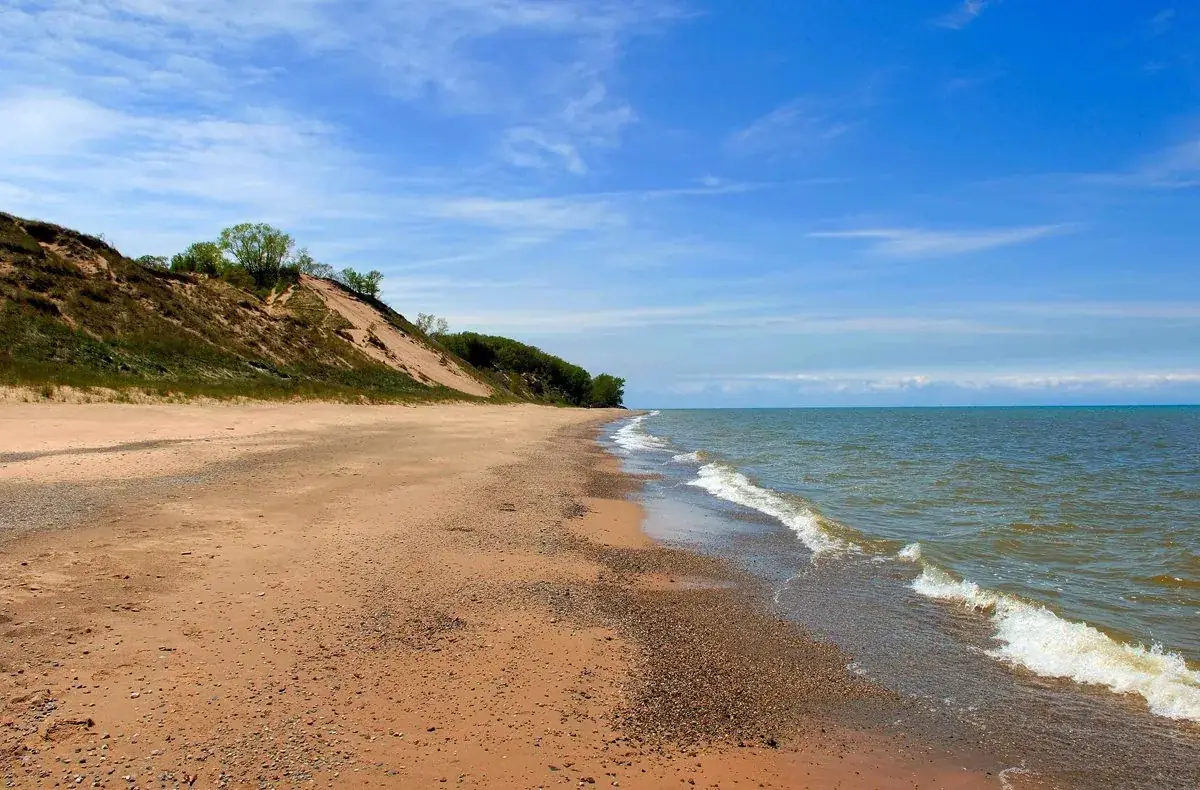
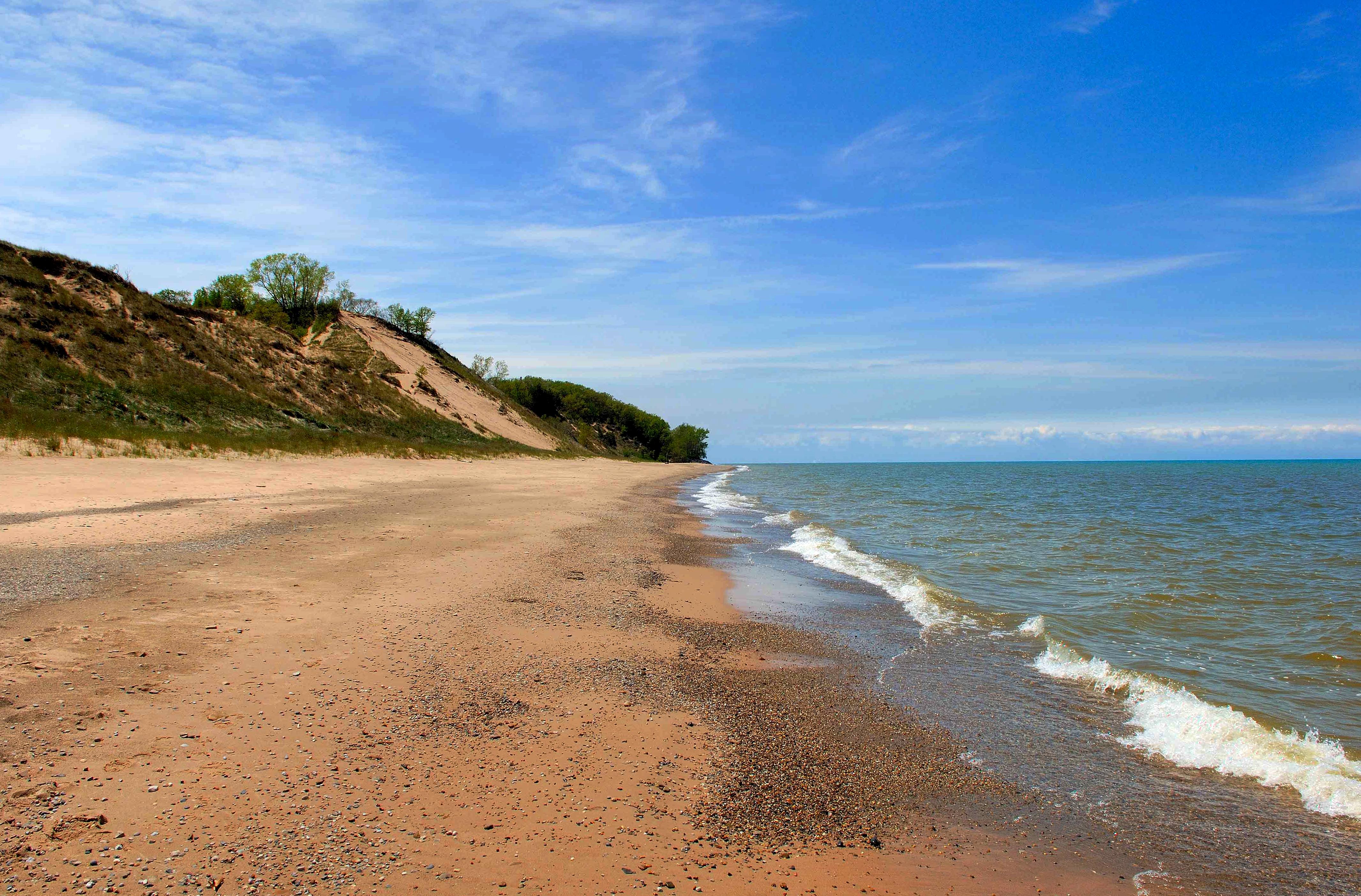


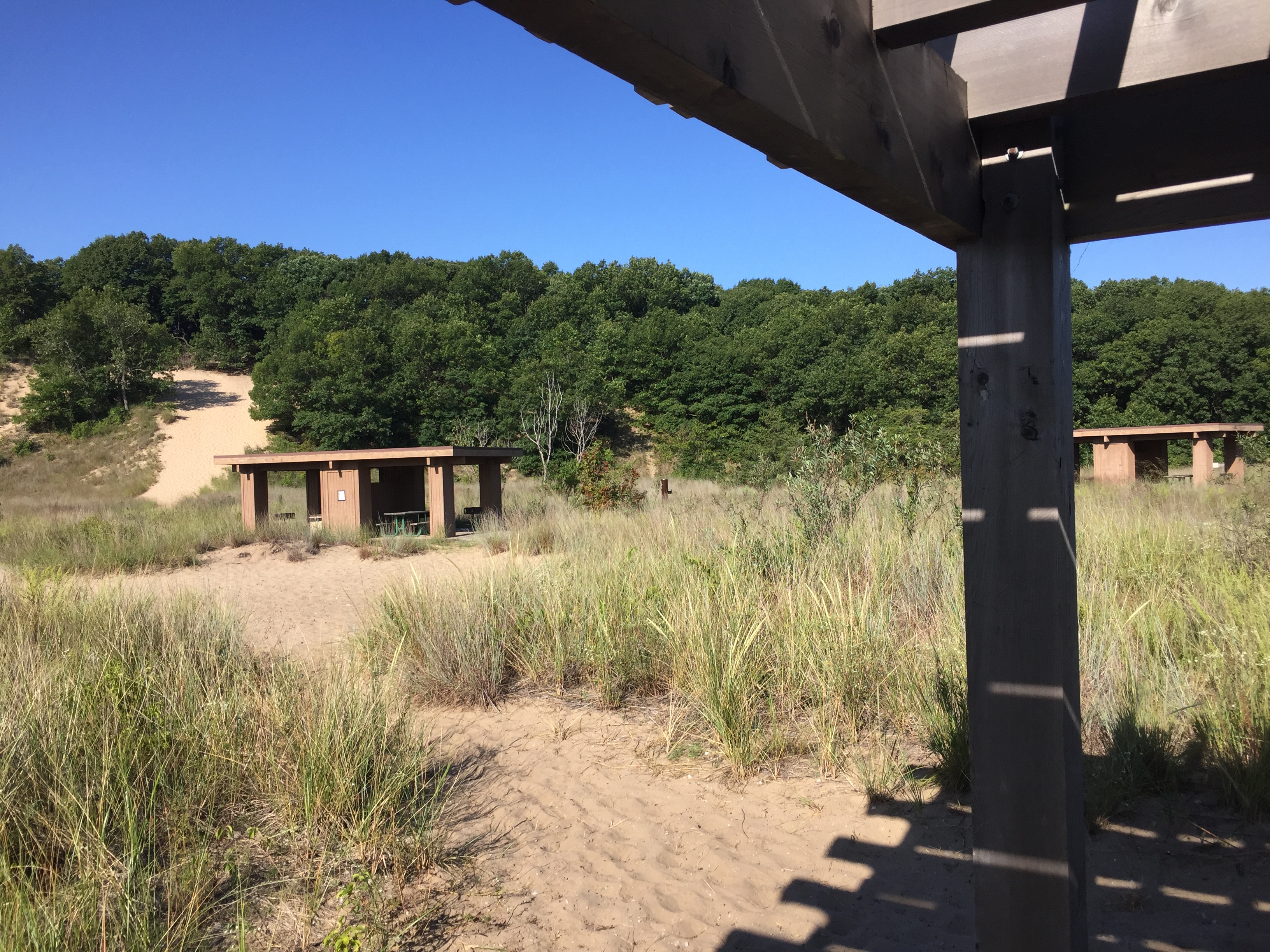

 Lakes & rivers