Estes Park
10–30 min to Beaver Meadows, plus entry queues
Convenient for the east-side plan.
Tradeoff: Bear Lake and alpine drives add time.
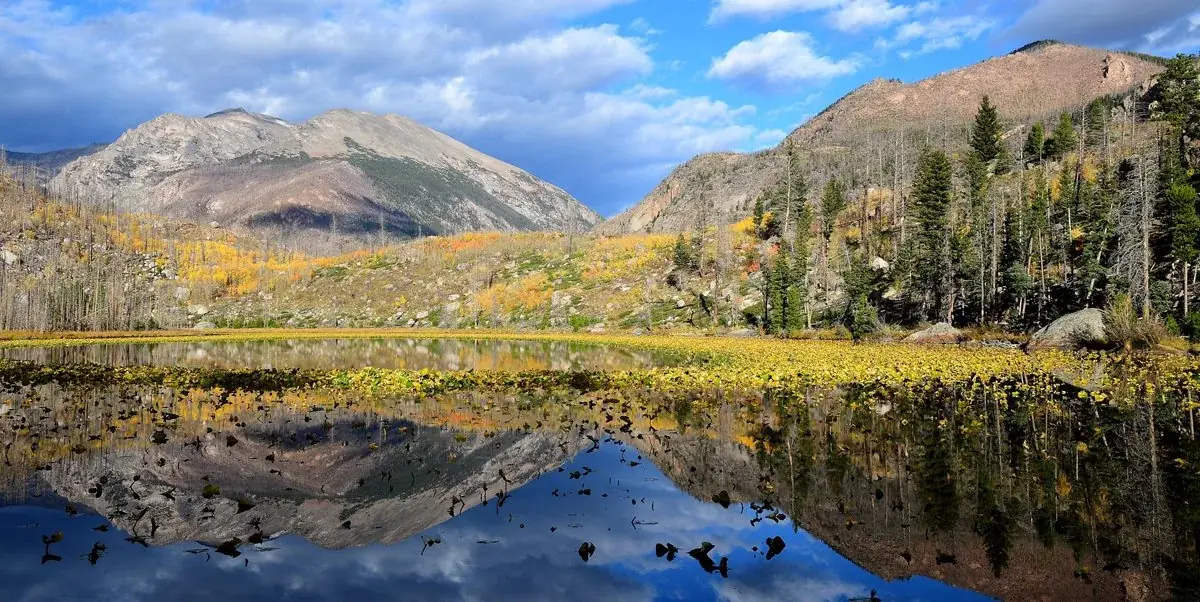
Located in northern Colorado, visitors to Rocky Mountain National Park can explore over 415 square miles (265,807 acres) within the Southern Rocky Mountains. From montane meadows to subalpine forests and mountain peaks in the alpine tundra, there is something for everyone to discover.
Travel-year timed-entry rules distinguish general park access from Bear Lake Road access. Confirm the reservation type, date and entry window for your selected stops.
Official guidance ↗ Reviewed 2026-10-18Do not assume a full alpine road crossing in snow season. Upper and lower sections can have different closures; check the official road report before the alpine day.
Official guidance ↗ Reviewed 2026-10-18Selected guidance only; separate from climate comfort and current conditions.
The conditions feed has not been connected for this park.
Check current conditions at NPS ↗An east-side base, one Bear Lake day and a separate conditional alpine road day.
Keep the alpine day conditional on road reports and weather.
Day 1Bear Lake Loop → Sprague Lake
Day 2Trail Ridge Road overlooks → Alpine Visitor Center area
Day 3Sprague Lake morning → Moraine Park signed viewpoints
Editorial planning ranges, not live routing or official trail measurements. Driving excludes lodging commutes unless stated; queues, closures and weather can add substantial time. Walking ranges describe the selected outing, not necessarily the full trail. Arrival and departure travel are additional. Select the season for your dates; this is not a live conditions check.
Walk the loop only if conditions suit your party; short does not mean step-free.
Start: Bear Lake parking or the operating corridor shuttle.
Getting there: Allow 25–40 minutes from Beaver Meadows plus parking or shuttle queues.
Footing: Gravel, log steps, bridges and steep sections; lingering snow.
Use a near-shore view without the loop.
Keep the loop and a picnic as the afternoon focus.
Start: Use signed Sprague Lake parking.
Getting there: Allow 15–25 minutes from Bear Lake plus parking time.
Footing: Lakeside path; snow and ice can cover it.
Use a short shore out-and-back instead.
Confirm Bear Lake Road access, not just general park entry. Allow time to acclimatize.
Use signed pullouts and turn back before weather or comfort deteriorates.
Start: Check the road report before driving uphill from the east side.
Getting there: Allow 45–75 minutes uphill; stops are additional.
Footing: High elevation, exposed wind and rapid temperature changes.
Use lower-elevation viewpoints if the road closes.
Visit when open and retain ample time for lunch and descent.
Start: Use developed parking only while the road and area are open.
Getting there: Allow 15–30 minutes between upper-road stops.
Footing: Very high elevation; optional climbs are excluded.
Descend early rather than waiting at elevation.
Assumes an east-side return, not a through transfer. Driving includes return; queues and lodging commutes are extra.
Revisit at a different time for a relaxed loop and a long picnic.
Start: Sprague Lake parking within the Bear Lake corridor.
Getting there: Allow 20–35 minutes from Beaver Meadows plus entry delays.
Footing: Wet or icy sections vary by season.
Choose a short shore visit.
Make valley viewing an optional afternoon rather than adding a strenuous hike.
Start: Use open signed pullouts in the Moraine Park area.
Getting there: Allow 15–25 minutes from Sprague Lake.
Footing: Developed stops only; do not approach wildlife.
Return to the gateway if roadside access is crowded or closed.
A deliberate weather-recovery day with a relaxed pace.
Compare access to Beaver Meadows Visitor Center. Drive ranges are editorial estimates before major queues or weather delays.
10–30 min to Beaver Meadows, plus entry queues
Convenient for the east-side plan.
Tradeoff: Bear Lake and alpine drives add time.
10–20 min to the west entrance
Good for a separate west-side stay.
Tradeoff: This east-side plan requires a long seasonal crossing; no winter connection.
Use your own quotes to compare room savings with extra time on the road.
Room totals only. Taxes, fuel, parking, vehicle wear and the value of your time are additional. These inputs are examples until you enter your quotes.
Mark your own preparation below. A check means you have handled it; it does not confirm a reservation or availability. Stored on this device.
Entry · Before choosing dates
Verify travel-year rules and whether your reservation includes Bear Lake Road.
If unavailable: Choose a permitted area or another date.
Check official rules & booking linksLodging · After confirming access
Check operating seasons, release dates and cancellation terms.
If unavailable: Compare Estes Park rooms with available camping.
Check official rules & booking linksRoads · Before the alpine day
An open lower road does not establish a full crossing.
If unavailable: Use the lower-lakes day.
Check official rules & booking linksThe PDF and HTML contain the selected days, transport notes, lodging comparisons and booking guidance. Linked maps and websites require a connection.
Official source review: 2026-10-18. Durations, district grouping, gateway drive ranges and recommended pacing are National Parkwise editorial estimates. They are not live routing, current-condition guarantees or accessibility certification.
Official NPS activity guide.
Looking to get outside and hit a trail? Rocky Mountain National Park has a trail for everyone! With over 350 miles of hiking trails to choose from, there are many options to enjoy from scenic nature trails to challenging mountain summits. Not sure where to begin? See below for a variety of fun hikes in the park. You can search by activity, length, features, and more!
NPS information imported 2026-10-17. Confirm current details at NPS
Official NPS activity guide.
Explore the natural and cultural wonders of the Rocky Mountains during a ranger-led walk, talk or activity. All ranger-guided experinces are free, great for visitors of all ages, and open to the public.
Ranger programs (topics, descriptions, times, and locations) are available on the park calendar and at all RMNP visitor centers. Programs may be canceled last minute due to unforeseen circumstances like inclement weather. We advise that you check at one of the park's visitor centers to check on the status of a program.
NPS information imported 2026-10-17. Confirm current details at NPS
Official NPS activity guide.
Spring is in full swing, which means snow is melting, new grasses are growing, and the next generation of wildlife is being born in Rocky Mountain National Park. While these fawns, chicks, pups, lambs, and calves are cute, their mothers are very protective. Give them space. Do not approach, touch or pick up young wildlife. Now through the end of June, new mothers and young wildlife will become more visible. Kindly respect all wildlife and leave young wildlife alone. A common survival strategy is to stash the young while the mother forages. Any young wildlife that is alone has not been abandoned. Human disturbance can cause stress for wild animals and reduce females’ chances of successfully raising offspring. When viewing wildlife, ask how far you should stay away ... not how close you can get. What an amazing opportunity it is to see wildlife in Rocky!
- Do not feed or approach any wildlife - Enjoy wildlife from a safe distance - If you see wildlife that appears sick or injured, leave it alone In addition to humans causing harm to wildlife, wildlife can pose a danger to people. Wildlife is just that, wild. All wildlife can act in unpredictable ways. Species like elk, moose, Mule deer and all species of birds can become aggressive to defend their nests and their young.
Rocky Mountain National Park is a great place to get outside and view wildlife in their natural habitat. The park is home, year-round and seasonally, to 66 species of mammals, 280 species of birds, 7 species of native fish, and 142 species of butterflies.
Some basic knowledge of animal habits and habitats greatly enhances prospects of spotting the wild residents of RMNP. Some fun facts to know:
Elk can be seen anytime of the year and anytime of the day. A popular time of year to view elk is during September and October, which is their fall rut or mating season. Look for elk near meadows and in places where meadows and forests meet. During the summer season, elk spend much of their time at or above treeline, moving to lower elevation areas in the fall, winter and spring.
During the summer season, elk spend much of their time at or above treeline, moving to lower elevation areas in the fall, winter and spring.
Bighorn sheep are commonly seen near Sheep Lakes and Horseshoe Park from May through mid-August.
Look for fish, frogs, and salamanders in slow moving streams and lakes.
Mule deer are common and can be seen anywhere in the montane ecosystem regions of RMNP. Look for Mule deer near meadows, along roads, and on mountain hillsides.
Bats can best be seen when feeding over lakes and ponds near dawn and dusk.
Marmots and pikas favor rocky areas in the alpine tundra. Marmots are best seen on rocks along Trail Ridge and Old Fall River Roads.
Pika can usually be heard before seen, listen for their sharp, distinctive bark and watch for movement. The Tundra Communities Trail is a good place to look for pika.
White-tailed Ptarmigans live in RMNP year-round, but can be difficult to spot. For best results, hike on trail in tundra areas and keep an eye out. Ptarmigans usually blend in with their habitat and remain very still, relying on their natural camouflage for protection from predators.
Despite their good intentions, some wildlife watchers are loving park animals to death. Feeding junk food to wildlife reduces its ability to survive. When wildlife learn to panhandle by roadsides, animals fall easy prey to automobiles. As they become habituated to humans and lose their natural fear, the animals become aggressive and may be destroyed.
To take photos of wildlife, you may want to bring along a camera that has a zoom lens. Keep back at least 75 feet, or the length of two buses, from all wildlife. If wildlife reacts to you, you are too close! For black bears, moose, and mountain lions, keep back at least 120 feet, or the length of three buses. Following these tips can help you take great photos while respecting wildlife.
Use binoculars, a spotting scope, or a telephoto lens to view wildlife from a safe and respectful distance. If you have one, a tripod can be helpful to stabilize your camera.
Stay quiet and still. Noise and quick movements can threaten wildlife.
Look to the edges of the landscape (e.g. where forest trees meet a grassy area).
When viewing wildlife from a vehicle, do not stop in the middle of the road. If you are able to safely do so and there is a pull out, pull over so traffic can safely pass.
Use your zoom, and to steady your shot, touch your elbows to your ribcage, or rest your elbows on your knee or another stable surface.
Watch wildlife with your eyes rather than through your viewfinder/screen as you move. It’s easy to miss things in your surroundings that could hurt or trip you when you’re only focused on what you can see on your screen or viewfinder.
NPS information imported 2026-10-17. Confirm current details at NPS
Official NPS activity guide.
Trail Ridge Road (U.S. Hwy 34 inside Rocky Mountain National Park) is open to through travel. Timed Entry Reservations are required for Trail Ridge Road from 9 am to 2 pm. For updates, call the recorded Trail Ridge Road Status Line at 970-586-1222. This message will be updated when road conditions change. Follow the RMNP webpage or see the official RMNP social media pages for additional updates.
In the Rocky Mountains, conditions can change rapidly. Be prepared for sun, strong winds, blowing snow, and icy on roads at any time. Temporary road closures can go into effect at any time, based on weather and conditions.
Bear Lake Road is open year-round. In the winter and spring, be prepared for snow and ice on the road. Traction control may go into effect at any time. This is a 9.2-mile paved road that winds and climbs in elevation from 8,200 feet above sea level (2,500 meters) at the junction with Trail Ridge Road near the park's Beaver Meadows Entrance to 9,475 feet (2888 meters) where the road ends at Bear Lake Parking Area and Trailhead. To see a map of the Bear Lake Road Corridor and to learn more about hiking and scenic destinations located along Bear Lake Road, visit the park's Bear Lake Road webpage .
Trail Ridge Road is the highest continuous paved road in the United States. It is 48-miles one-way across Rocky Mountain National Park and climbs to an elevation of 12,183 feet above sea level. During the summer season, Trail Ridge Road connects the towns of Estes Park and Grand Lake. In 1931, Horace Albright, second director of the National Park Service, said "it is hard to describe what a sensation this new road is going to make... you will have the whole sweep of the Rockies before you in all directions."
Old Fall River Road is closed for the season to vehicles. The road will be closed to all uses through Friday, Oct. 9, for park staff to conduct road maintenance. Old Fall River Road will reopen temporarily to bicycles, leashed pets and walkers for Saturday, Oct. 10 through Monday, Oct. 12. Starting, Tuesday, Oct. 13, Old Fall River Road will close again to all uses for continued road maintenance through Friday, Oct. 16. On Saturday, October 17, the road will reopen to bicycles, leashed pets and pedestrians for the winter. Leashed pets and bicycles are only allowed on the road, not on side trails.
Old Fall River Road was built between 1913 and 1920 as the first road to the Alpine tundra. This scenic 9.4-mile route is one-way uphill only. It is an unpaved road which starts next to Endovalley Picnic Area and ends, merging with Trail Ridge Road, at the top of Fall River Pass in the parking area for Alpine Visitor Center at an elevation of 11,796 feet above sea level. This road follows the steep slope of Mount Chapin’s south face.
Old Fall River Road is a seasonal road open to vehicles each year from early July to early October. During certain hours of the day, visitors to Rocky Mountain National Park will need a timed entry reservation. There are two reservation options available: Timed Entry or Timed Entry + Bear Lake Road. Timed Entry Reservations are required to enter the park between the hours of 9 a.m. to 2 p.m. These reservations provide access to areas of Rocky Mountain National Park located outside of the Bear Lake Road corridor, including access to Old Fall River Road. To learn more visit https://go.nps.gov/romo/timedentry .
This is a winding, narrow, and unpaved road. Some sections of the road are uneven with ruts. Based on weather and conditions, temporary closures may go into effect at any time. Because of the narrow width and sharp switch backs, vehicles over 25 feet and vehicles pulling trailers or tow vehicles are prohibited from traveling on Old Fall River Road.
Wild Basin Road is open to the summer parking and trailhead for the summer season.
The RMNP Bear Lake, Moraine Park, Hiker Shuttle, and Bustang buses are in service for the summer season. Additional details, including route maps and schedules are available on the Shuttle and Transit webpage .
For the safety of all motorists driving in Rocky Mountain National Park, Colorado Vehicle Traction Law may become active at any time based on weather and road conditions. While Rocky Mountain National Park has federal exclusive jurisdiction, the park is authorized under 36 CFR 4.2(b) to enforce applicable local and state traffic regulations. When the Colorado Vehicle Traction Law is active in RMNP, this means that all vehicles (including 4-Wheel Drive, All-Wheel Drive, and 2-Wheel Drive) must have properly rated tires (Mud and Snow, Mountain and Snow or All-Weather Tires) with a minimum of 3/16" tread. If you have improperly rated tires on your vehicle, then you must use an approved traction control device. These may include snow chains, cables, tire/snow socks, or studded tires. When the traction law is in place in RMNP, if a vehicle is involved in a motor vehicle crash, to include sliding off the road due to icy conditions, motorists will be cited if their vehicle does not meet Colorado Traction Control Law requirements.
For the latest information on park road status, keep an eye out for variable message boards in the park and follow us on Twitter @RockyNPS.
Since conditions change quickly, road status updates are not posted on the park's website.
Visit the Colorado Department of Transportation for road conditions outside the park.
NPS information imported 2026-10-17. Confirm current details at NPS
Official NPS activity guide.
Rocky Mountain National Park accepts payment for all entrance & campground fees in the form of debit/credit card only.
During the summer season, advanced reservations are required to camp inside Rocky Mountain National Park at Moraine Park, Glacier Basin, Aspenglen, and Timber Creek Campgrounds. To make a reservation, visit Recreation.gov. Campground reservations can be made the following ways:
Online at www.recreation.gov
Using the Recreation.gov Mobile App
Or by calling 1-877-444-6777
Campground reservations cannot be made in person at the campground or at any of the RMNP visitor centers. Some campsites are available on a short-term release. Please see each individual campground's page on Recreation.gov for specific campsite details.
Access and Senior Pass holders receive a 50% discount on standard sites.
Camping is a fun activity to enjoy year-round for those who are prepared. The winter camping season will begin at 1 pm on Monday, October 19, 2026. During the winter camping season, Moraine Park Campground is the only campground open inside Rocky Mountain National Park. Campsites will be available on a first come, first served basis.
Loop A from sites 1-62
All sites in Loop B
All sites in Loop C
All sites in Loop E - Groups of 8 or more should use a group site in Loop E.
Running water and restrooms will be available in Loops A, B, and C. Vault toilets are available in Loops B and E.
The Dump Station and fresh water fill will be available for RVs at the Dump Station, located near the Ranger Station.
There are no hookups with water available in Moraine Park Campground. Sites with electric hookups are available only in Loops B and C.
During the winter season, firewood and ice are not available for purchase in the campground. Camping supplies can be purchased at stores outside of Rocky Mountain National Park. The closest available options are located in the Town of Estes Park.
Courtesy Recreation.gov
Standard non-electric campsites are $30 per site, per night.
Standard electric campsites are $55 per site, per night.
To pay overnight camping fees, campers can use the Scan & Pay function on the Recreation.gov Mobile App or pay in person at Beaver Meadows or Fall River Entrances.
It is easy to pay using the Scan and Pay feature. First, download the Recreation.gov Mobile App and then create or update an account. More details are available at https://www.recreation.gov/mobile-app/ and additional directions are posted on the kiosk at Moraine Park Campground. Fresh water fill and the dump station are available during the winter camping season. There are no water hookups available in any campsites in Rocky Mountain National Park. During the winter camping season, firewood and ice are not available for purchase in the campground. Supplies can be purchased in the Town of Estes Park.
Campsites have a picnic table, tent pad, fire ring, and food storage box
Campsites are not plowed or shoveled by park staff
Campers are advised to pack a shovel and be prepared to dig out your own campsite
When it snows, plowing the main park roads are our number one priority
Snowplows will plow campground roads, but expect and be prepared for delays
Thinking about going overnight wilderness backpacking? Learn about planning for a wilderness overnight backpacking trip at https://go.nps.gov/romo/wildernessbackpacking .
Longs Peak Campground is a seasonal campground open to tents only. This campground typically opens in early July and closes in early September. Longs Peak Campground is the only first come, first-served campground in Rocky Mountain National Park. Be advised, there is no water available in this campground. Each campsite has a tent pad, picnic table, and fire ring available. Food storage boxes are available. The campground has vault toilets and a dumpster for trash available. For more details on Longs Peak Campground, please see below.
Yes. Camping is available year-round inside Rocky Mountain National Park. During the summer season, most campsites are available by reservation only through Recreation.gov. During the spring/winter season, camping is available on a first-come, first-served basis.
For all campgrounds inside Rocky Mountain National Park, check in begins at 1 p.m.
For all campgrounds inside Rocky Mountain National Park, check out is at 12 p.m. You must be packed up and out of your campsite by noon on your scheduled departure date.
For visitors who have a campground reservation to stay overnight at Aspenglen, Glacier Basin, or Timber Creek Campgrounds, a timed entry permit is included with your campground reservation. Campers will be able to initially enter the park beginning at 1 p.m. on the first day of their camping reservation , which is also the check-in time for all park campgrounds.
Campers who would like to enter the park earlier in the day will have to enter the park outside of the times of day when timed entry permits are in effect (for example, before 9 a.m. for most areas of the park) or they will need to make a reservation for a timed entry permit.
Campers who have reservations for Glacier Basin and Aspenglen Campgrounds will have access to the Bear Lake Road Corridor as well as all other areas of the park. Park visitors who have reservations to camp at Timber Creek Campground will have access to most areas of the park, excluding the Bear Lake Road Corridor.
Campground reservations are available through www.recreation.gov and they sell out in advance.
There are no same day sales available at RMNP's campgrounds.
When arriving at the park's entrance gate, visitors with campground reservations must show their reservation confirmation to the park ranger at the gate. Campers can show a printed copy of your confirmation or a screenshot on a mobile device. If you take a screen shot, make sure to capture the full reservation confirmation. Partial screenshot images may not be accepted.
Campers should have both their reservation confirmation and a valid photo ID for the reservation holder ready to show a ranger before arriving at the park's entrance station.
Do not expect to open your Recreation.gov account on your mobile device at the park's entrance station , cell service is not reliable at RMNP's entrance stations.
All campsites in RMNP's reservation-only campgrounds are reserved well in advance. If somone cancels, the campsite immediately becomes available again through Recreation.gov. It is best to plan ahead. During the summer season, the only first come, first served campsites inside the park are located at Longs Peak Campground. This campground available to tents only and fills quickly each day.
Longs Peak Campground is a seasonal campground that opens for the season in early July. This is a tents-only campground and water is not availble. Longs Peak Campground is available on a first-come, first-served basis.
From May 1 through October 15, you can camp in the park 7 nights total parkwide . For example, if you stayed three nights at a campground on one trip and four nights at another campground on another, you wouldn't be able to stay any more nights that summer season. You can also camp overnight in the park an additional 14 nights between November 1 and April 30.
Aspenglen Campground: 30 feet
Glacier Basin Campground: 35 feet
Moraine Park Campground: 40 feet
Timber Creek Campground: 30 feet
Longs Peak Campground: Tents only
There is an eight (8) person limit per family site. For Group Sites, special rules apply. Please see the Glacier Basin Campground page for more details. Parking is limited to two (2) vehicles per site. A vehicle is defined as one vehicle, one trailer, one RV, or one towed unit. Each vehicle must be parked on the gravel or paved parking pad causing no resource degradation or encroachment onto the paved access road. Some sites will accommodate only one vehicle on the graveled parking pad. Extra vehicles must park in overflow areas.
Each camping site is limited to: one camping unit (i.e., a tent, RV, or trailer/tow vehicle) plus one additional tent. All tents shall be located on the tent pad. All additional camp structures must be self standing without impacts to vegetation or trees. Many campsites only have room for one vehicle to park at the campsite. At all RMNP campgrounds, there is a 2 vehicle limit per site. A vehicle is defined as one vehicle, one trailer, one RV, or one towed unit. If your selected campsite does not have space for a second vehicle, extra vehicles must park in overflow areas. Overflow parking is not guaranteed and is available on a first-come, first served basis in each campground. All vehicles must be parked on provided gravel or concrete parking pads. They cannot be parked on vegetation or in places where they could cause resource damage. At group sites, special rules apply. Please visit the Glacier Basin Campground page for all details.
At all campgrounds, quiet hours are from 10 p.m. to 6 a.m., this includes the use of generators. Please respect your fellow campers and adhere to the park's quiet hours.
No, camping fees are separate from the park's entrance fees.
It depends - America the Beautiful Interagency Senior and Access Pass holders get a 50% discount on camping fees. All other passholders, including the Rocky Mountain National Park Annual Pass, America the Beautiful Interagency Annual Pass, Military Pass, Veterans Pass, and Volunteer Pass, do not qualify for camping discounts.
Yes, with some rules. Pets must be on leashes no longer than six feet. Please clean up after them. Pets are prohibited on all trails, tundra, and meadow areas. Pets may not make noise that impacts visitors or wildlife. For all pet regulations, please visit https://www.nps.gov/romo/planyourvisit/pets.htm
No, the use of fireworks is prohibited in Rocky Mountain National Park.
No, for your safety and the safety of other campers, skateboards, rollerblades, scooters, and similar devices are all prohibited in Rocky Mountain National Park.
| Summer | Standard Non-Electric Campsites | $35 per night |
| Summer | Standard Electric Campsites | $55 per night |
| Summer | Tent-Only Non-Electric Sites at Longs Peak - No Water | $30 per night |
| Summer | Group Sites at Glacier Basin Campground | $50 per night for small sites $60 per night for medium sites $70 per night for large sites |
| Winter | Standard Non-Electric Campsites | $30 per night |
| Winter | Standard Electric Campsites | $55 per night |
| Campground Name | Opening Date | Closing Date |
| Moraine Park Campground | Opened for summer camping on Thursday, May 21, 2026 Moraine Park Campground will transition back to winter camping for the 2026-2027 season on Monday, October 19, 2026. | Moraine Park will close for the summer season at noon on Monday, October 19, 2026 |
| Timber Creek Campground | Opened for summer camping on Thursday, May 21, 2026 | Will Close at noon on Monday, October 5, 2026 |
| Aspenglen Campground | Opened for summer camping on Thursday, May 21, 2026 | Will close at noon on Monday, September 28, 2026 |
| Glacier Basin Campground | Now closed for the 2026/2027 Winter Season - Check back for summer 2027 dates. | |
| Longs Peak Campground | Now closed for the 2026/2027 Winter Season - Check back for summer 2027 dates. |
NPS information imported 2026-10-17. Confirm current details at NPS
Official NPS activity guide.
NPS Photo by D. Biddle
Horses have been part of Rocky Mountain National Park's tradition since its designation in 1915. Trails in Rocky Mountain National Park that are not listed as closed or with seasonal closures are open to private and commercial stock use. Horses and other pack animals, including mules, ponies, llamas, and burros, may be used only on existing trails open for stock use. Goats are not permitted on any trails in Rocky Mountain National Park.
Interested in going on a guided horseback ride? There is one stable facility located within the park: Glacier Creek Stables . There are also many stables located outside of the park; click to find information for the various stables in the area .
All stable facilities in the Estes Park and Grand Lake areas are seasonal. Most are open May through October; check with businesses for their operational dates and additional information.
Interested in going backcountry camping with horses or pack animals? Stock are only permitted at established backcountry campsites designated for stock use .
All RMNP rules related to horses and pack animals are listed in the Superintendent's Compendium under 36 CFR § 2.16: Horses and Pack Animals All stock must remain on existing trails. Travel off trail and cross-country is not permitted.
Horses and pack animals are not permitted on park roads, with the following exceptions:
Bowen-Baker Road from paved parking area to park boundary
Fern Lake Road between the winter closure point and trailhead to reach Fern Lake Trail
Kaley Cottage Road
McGraw Ranch Road
Upper Beaver Meadows Road to reach Beaver Mountain, Beaver Meadows, Moraine Park, and Deer Ridge Trails
North Inlet Road to Summerland Park
Twin Sisters Trail Access Road
Wild Basin Road to access trails open to horses in the Wild Basin area
Horses and pack animals may be used only on park trails designated for pack animal use.
However, llamas are permitted on the Jim’s Grove unimproved trail for purposes of administrative use, but only when emergency conditions warrant. Cross-country areas and Research Natural Areas are closed to pack animal use.
Seasonal and emergency closures of trails to horse and pack animals may be in effect at various locations throughout the park when necessary for environmental or safety reasons. Guided horse concessions will be notified when these closures are in effect.
To prevent resource damage, as well as possible injuries to pack animals and riders/users, the following trail portions are closed to all pack animal use from October 15 through July 31: The portions of Flattop, Tonahutu Creek, and North Inlet trails that are above tree line These trails may be opened to pack animal use prior to or after August 1, depending on environmental conditions and as announced by the Superintendent.
The portions of Flattop, Tonahutu Creek, and North Inlet trails that are above tree line
These trails may be opened to pack animal use prior to or after August 1, depending on environmental conditions and as announced by the Superintendent.
Seasonal closures of any trail to horse and pack animal use may be in effect at various locations throughout the park when necessary for the protection of resources or safety reasons. Such closures will be posted and published.
Bear Lake Area Bear Lake Nature Trail Emerald Lake Trail - Includes spur trails to Dream Lake and Nymph Lake Lake Haiyaha Trail and connection to The Loch-Mills Junction Loch Vale Trail - Beyond The Loch-Mills Junction Mills Lake Trail - Beyond the hitch rail near The Loch-Mills Junction
Bear Lake Nature Trail
Emerald Lake Trail - Includes spur trails to Dream Lake and Nymph Lake
Lake Haiyaha Trail and connection to The Loch-Mills Junction
Loch Vale Trail - Beyond The Loch-Mills Junction
Mills Lake Trail - Beyond the hitch rail near The Loch-Mills Junction
Colorado River District Specimen Mountain Trail Poudre River Trail - Chapin Creek to Milner Pass Chapin Creek Primitive Trail (cross-country route) Poudre River to Chapin Pass Mirror Lake Trail - Beyond Comanche Peak Trail Junction Haynach Lake Trail - Beyond Tonahutu Creek Trail. Open to llama use from Tonahutu Creek Trail to Haynach Lake campsites. East Inlet Trail - Beyond west end of Lake Verna Long Meadow - Between Onahu Creek and Timber Creek Trails All trails above the Grand Ditch ( except Thunder Pass Trail) Willow Creek drainage to Long Draw Reservoir ( unconstructed) Timber Lake Trail - Due to a landslide in 2011
Specimen Mountain Trail
Poudre River Trail - Chapin Creek to Milner Pass
Chapin Creek Primitive Trail (cross-country route)
Poudre River to Chapin Pass
Mirror Lake Trail - Beyond Comanche Peak Trail Junction
Haynach Lake Trail - Beyond Tonahutu Creek Trail. Open to llama use from Tonahutu Creek Trail to Haynach Lake campsites.
East Inlet Trail - Beyond west end of Lake Verna
Long Meadow - Between Onahu Creek and Timber Creek Trails
All trails above the Grand Ditch ( except Thunder Pass Trail)
Willow Creek drainage to Long Draw Reservoir ( unconstructed)
Timber Lake Trail - Due to a landslide in 2011
Fern Lake Area Spruce Lake Trail Odessa Lake Trail - From Fern Lake Trail Junction with Odessa Lake Trail
Spruce Lake Trail
Odessa Lake Trail - From Fern Lake Trail Junction with Odessa Lake Trail
Longs Peak Lily Lake and Lily Ridge Jim's Grove - From Battle Mountain Junction to Granite Pass Chasm Lake - Beyond hitch rail on Mills Moraine Boulder Field - Beyond hitch rail North Longs Peak Trail - From Boulder Brook Junction to Glacier Gorge Trail Storm Pass Junction to Estes Cone Summit
Lily Lake and Lily Ridge
Jim's Grove - From Battle Mountain Junction to Granite Pass
Chasm Lake - Beyond hitch rail on Mills Moraine
Boulder Field - Beyond hitch rail
North Longs Peak Trail - From Boulder Brook Junction to Glacier Gorge Trail
Storm Pass Junction to Estes Cone Summit
Mummy Range Lawn Lake Trail - Beyond hitch rail at east end of lake Ypsilon Lake Trail - Beyond hitch rail at south end of lake Mummy Pass Trail - Beyond Mummy Pass Creek Junction Mirror Lake Trail - Beyond Koenig hitch rail
Lawn Lake Trail - Beyond hitch rail at east end of lake
Ypsilon Lake Trail - Beyond hitch rail at south end of lake
Mummy Pass Trail - Beyond Mummy Pass Creek Junction
Mirror Lake Trail - Beyond Koenig hitch rail
North Fork Lost Lake Trail - Beyond hitch rail Bridal Veil Fall - Beyond hitch rail
Lost Lake Trail - Beyond hitch rail
Bridal Veil Fall - Beyond hitch rail
Sprague Lake Area Boulder Brook Primitive Trail Sprague Lake Nature Trail
Boulder Brook Primitive Trail
Sprague Lake Nature Trail
Ute Trail Upper Beaver Meadows to Milner Pass - open to llama use from Upper Beaver Meadows to Ute Meadows Campsite
Upper Beaver Meadows to Milner Pass - open to llama use from Upper Beaver Meadows to Ute Meadows Campsite
Wild Basin Bluebird Lake - Beyond hitch rail at east end of lake Finch-Pear Lake Trail - Beyond hitch rail at east end of Pear Lake Lion Lakes - Beyond the junction with Thunder Lake Trail Lookout Mountain - From Meeker Park, Sandbeach Lake, Lookout Mountain Trail junction Ouzel Lake Trail - Beyond hitch rail near the northeast end of the lake Sandbeach Lake Trail - Beyond hitch rail at north end of lake North St. Vrain Fire Trail - Open to llama use Thunder Lake Trail - Beyond hitch rail in woods at the east end of lake
Bluebird Lake - Beyond hitch rail at east end of lake
Finch-Pear Lake Trail - Beyond hitch rail at east end of Pear Lake
Lion Lakes - Beyond the junction with Thunder Lake Trail
Lookout Mountain - From Meeker Park, Sandbeach Lake, Lookout Mountain Trail junction
Ouzel Lake Trail - Beyond hitch rail near the northeast end of the lake
Sandbeach Lake Trail - Beyond hitch rail at north end of lake
North St. Vrain Fire Trail - Open to llama use
Thunder Lake Trail - Beyond hitch rail in woods at the east end of lake
Use of pack animal drawn equipment is not permitted inside Rocky Mountain National Park.
Horses and other pack animals are not permitted in auto campgrounds or picnic areas inside Rocky Mountain National Park.
The riding of horses and other pack animals at a speed greater than a trot is not permitted.
Possessing, storing, or transporting either certified or non-certified weed free forage beyond any park trailhead is prohibited within the boundaries of Rocky Mountain National Park.
Persons with a permit specifically authorizing the otherwise prohibited act.
Any federal, state, or local law enforcement officer, or member of an organized search and rescue or firefighting force in the performance of an official duty.
Persons possessing or using pelletized feed, hay cubes, or grain products.
Approximately 95% of Rocky Mountain National Park is designated Wilderness. It is a rare opportunity to experience the wonders and challenges of being in the wilderness. Wilderness does, however, have numerous hazards. Hazards on the trail may include, but are not limited to:
Bridges and other water crossings
Other people and stock on the trail
Packs and other gear used by hikers and backpackers
Be prepared for sudden changes in the weather. Dismount immediately if lightning and thunderstorms seem imminent. Try to stay below treeline and avoid high rocky areas.
Carry first aid supplies for yourself and the stock.
Carry, boil or filter water obtained from park waters before drinking. All park waters may contain Giardia , an organism that can cause serious flu-like symptoms in humans.
Where no hitchracks exist, tie a "highline," (a rope between two trees) away from the trail and hitch the stock to it. The rope should be padded. This avoids damage to trees and their root systems.
NPS information imported 2026-10-17. Confirm current details at NPS
Open an activity to read its details here. Source links open in a new tab; check current conditions and permit requirements before travel.
Official NPS features and USGS park boundaries, imported 2026-10-17. An inventory snapshot, not live trail or parking availability.
Map coverage varies. Trail names may represent segments, connectors, or shared park units; mapped lines are not a hiking recommendation. Use official conditions and navigation resources before heading out.
162 matching named trail records
| Trail / mapped route | Surface | Recorded uses |
|---|---|---|
| Abandoned Beaver Colony Boardwalk Inventory record · 1 source segments; not a route distance.NA | Wood | Hiker/Pedestrian |
| Access To Finch Lake Trail Inventory record · 1 source segments; not a route distance.NA | Earth | Hiker/Pedestrian | Equestrian |
| Adams Falls Trail Inventory record · 2 source segments; not a route distance.NA | Earth | Hiker/Pedestrian |
| Allenspark - Confusion Junction Trail Inventory record · 2 source segments; not a route distance.NA | Earth | Hiker/Pedestrian | Pack and Saddle |
| Allenspark - Finch Lake Trail Connector Inventory record · 1 source segments; not a route distance.NA | Earth | Hiker/Pedestrian | Pack and Saddle |
| Alluvial Fan Trail Inventory record · 3 source segments; not a route distance.NA | Asphalt | Hiker/Pedestrian |
| Alpine Ridge Trail Inventory record · 1 source segments; not a route distance.NA | Earth | Hiker/Pedestrian |
| Andrews Glacier Trail Inventory record · 1 source segments; not a route distance.NA | Earth | Hiker/Pedestrian |
| Aspen Brook Trail Inventory record · 3 source segments; not a route distance.NA | Earth | Hiker/Pedestrian | Pack and Saddle |
| Aspenglen Campground Trail Inventory record · 2 source segments; not a route distance.NA | Asphalt | Hiker/Pedestrian |
| Balanced Rock Trail Inventory record · 1 source segments; not a route distance.NA | Earth | Hiker/Pedestrian | Pack and Saddle |
| Baldpate - Wind River Pass Trail Inventory record · 1 source segments; not a route distance.NA | Earth | Hiker/Pedestrian | Pack and Saddle |
| Bear Lake - Dream/Haiyaha Junction Trail Inventory record · 3 source segments; not a route distance.NA | Earth | Hiker/Pedestrian |
| Bear Lake - Glacier Gorge Junction - Loch Mills Junction Trail Inventory record · 6 source segments; not a route distance.NA | Earth | Hiker/Pedestrian | Pack and Saddle |
| Bear Lake Loop Trail Inventory record · 4 source segments; not a route distance.NA | Earth | Hiker/Pedestrian |
NPS public GIS inventory, imported 2026-10-17. “Existing” is an inventory classification, not confirmation that a trail is open. Segment counts are not route distances. Parking records do not indicate space availability, fees, or accessibility certification. View government source ↗
Climate for Estes Park, 6 km from the park reference point. 1991–2020 normals. Source elevation: 0 m.
Mountain, rim, valley, and coastal conditions can differ sharply from the source town. Check park forecasts and current conditions before travel.
| Month | High | Low | Rain / snow water | Wet days | Daylight |
|---|---|---|---|---|---|
| 31° | 11° | 28 mm | 6.7 | 9.4 h | |
| 32° | 11° | 33 mm | 8.1 | 10.4 h | |
| 39° | 17° | 52 mm | 9.6 | 11.7 h | |
| 44° | 22° | 86 mm | 13.5 | 13.0 h | |
| 54° | 31° | 118 mm | 18.6 | 14.2 h | |
| 66° | 40° | 108 mm | 17.5 | 14.8 h | |
| 72° | 46° | 145 mm | 20.0 | 14.6 h | |
| 70° | 45° | 124 mm | 20.0 | 13.6 h | |
| 63° | 37° | 76 mm | 13.3 | 12.3 h | |
| 51° | 27° | 52 mm | 8.9 | 10.9 h | |
| 39° | 18° | 30 mm | 6.2 | 9.8 h | |
| 31° | 10° | 28 mm | 6.3 | 9.2 h |
Official NPS excerpts imported 2026-10-17. Fees, permits, road access, and operations can change; use the source link to confirm the latest information.
Internet & Cellular Access Details
Rocky Mountain National Park accepts payment for all entrance & campground fees in the form of debit/credit card only.
During the summer season, advanced reservations are required to camp inside Rocky Mountain National Park at Moraine Park, Glacier Basin, Aspenglen, and Timber Creek Campgrounds. To make a reservation, visit Recreation.gov. Campground reservations can be made the following ways:
Online at www.recreation.gov
Using the Recreation.gov Mobile App
Or by calling 1-877-444-6777
Campground reservations cannot be made in person at the campground or at any of the RMNP visitor centers. Some campsites are available on a short-term release. Please see each individual campground's page on Recreation.gov for specific campsite details.
Access and Senior Pass holders receive a 50% discount on standard sites.
Camping is a fun activity to enjoy year-round for those who are prepared. The winter camping season will begin at 1 pm on Monday, October 19, 2026. During the winter camping season, Moraine Park Campground is the only campground open inside Rocky Mountain National Park. Campsites will be available on a first come, first served basis.
Loop A from sites 1-62
All sites in Loop B
All sites in Loop C
All sites in Loop E - Groups of 8 or more should use a group site in Loop E.
Running water and restrooms will be available in Loops A, B, and C. Vault toilets are available in Loops B and E.
The Dump Station and fresh water fill will be available for RVs at the Dump Station, located near the Ranger Station.
There are no hookups with water available in Moraine Park Campground. Sites with electric hookups are available only in Loops B and C.
During the winter season, firewood and ice are not available for purchase in the campground. Camping supplies can be purchased at stores outside of Rocky Mountain National Park. The closest available options are located in the Town of Estes Park.
Courtesy Recreation.gov
Standard non-electric campsites are $30 per site, per night.
Standard electric campsites are $55 per site, per night.
To pay overnight camping fees, campers can use the Scan & Pay function on the Recreation.gov Mobile App or pay in person at Beaver Meadows or Fall River Entrances.
It is easy to pay using the Scan and Pay feature. First, download the Recreation.gov Mobile App and then create or update an account. More details are available at https://www.recreation.gov/mobile-app/ and additional directions are posted on the kiosk at Moraine Park Campground. Fresh water fill and the dump station are available during the winter camping season. There are no water hookups available in any campsites in Rocky Mountain National Park. During the winter camping season, firewood and ice are not available for purchase in the campground. Supplies can be purchased in the Town of Estes Park.
Campsites have a picnic table, tent pad, fire ring, and food storage box
Campsites are not plowed or shoveled by park staff
Campers are advised to pack a shovel and be prepared to dig out your own campsite
When it snows, plowing the main park roads are our number one priority
Snowplows will plow campground roads, but expect and be prepared for delays
Thinking about going overnight wilderness backpacking? Learn about planning for a wilderness overnight backpacking trip at https://go.nps.gov/romo/wildernessbackpacking .
Longs Peak Campground is a seasonal campground open to tents only. This campground typically opens in early July and closes in early September. Longs Peak Campground is the only first come, first-served campground in Rocky Mountain National Park. Be advised, there is no water available in this campground. Each campsite has a tent pad, picnic table, and fire ring available. Food storage boxes are available. The campground has vault toilets and a dumpster for trash available. For more details on Longs Peak Campground, please see below.
Yes. Camping is available year-round inside Rocky Mountain National Park. During the summer season, most campsites are available by reservation only through Recreation.gov. During the spring/winter season, camping is available on a first-come, first-served basis.
For all campgrounds inside Rocky Mountain National Park, check in begins at 1 p.m.
For all campgrounds inside Rocky Mountain National Park, check out is at 12 p.m. You must be packed up and out of your campsite by noon on your scheduled departure date.
For visitors who have a campground reservation to stay overnight at Aspenglen, Glacier Basin, or Timber Creek Campgrounds, a timed entry permit is included with your campground reservation. Campers will be able to initially enter the park beginning at 1 p.m. on the first day of their camping reservation , which is also the check-in time for all park campgrounds.
Campers who would like to enter the park earlier in the day will have to enter the park outside of the times of day when timed entry permits are in effect (for example, before 9 a.m. for most areas of the park) or they will need to make a reservation for a timed entry permit.
Campers who have reservations for Glacier Basin and Aspenglen Campgrounds will have access to the Bear Lake Road Corridor as well as all other areas of the park. Park visitors who have reservations to camp at Timber Creek Campground will have access to most areas of the park, excluding the Bear Lake Road Corridor.
Campground reservations are available through www.recreation.gov and they sell out in advance.
There are no same day sales available at RMNP's campgrounds.
When arriving at the park's entrance gate, visitors with campground reservations must show their reservation confirmation to the park ranger at the gate. Campers can show a printed copy of your confirmation or a screenshot on a mobile device. If you take a screen shot, make sure to capture the full reservation confirmation. Partial screenshot images may not be accepted.
Campers should have both their reservation confirmation and a valid photo ID for the reservation holder ready to show a ranger before arriving at the park's entrance station.
Do not expect to open your Recreation.gov account on your mobile device at the park's entrance station , cell service is not reliable at RMNP's entrance stations.
All campsites in RMNP's reservation-only campgrounds are reserved well in advance. If somone cancels, the campsite immediately becomes available again through Recreation.gov. It is best to plan ahead. During the summer season, the only first come, first served campsites inside the park are located at Longs Peak Campground. This campground available to tents only and fills quickly each day.
Longs Peak Campground is a seasonal campground that opens for the season in early July. This is a tents-only campground and water is not availble. Longs Peak Campground is available on a first-come, first-served basis.
From May 1 through October 15, you can camp in the park 7 nights total parkwide . For example, if you stayed three nights at a campground on one trip and four nights at another campground on another, you wouldn't be able to stay any more nights that summer season. You can also camp overnight in the park an additional 14 nights between November 1 and April 30.
Aspenglen Campground: 30 feet
Glacier Basin Campground: 35 feet
Moraine Park Campground: 40 feet
Timber Creek Campground: 30 feet
Longs Peak Campground: Tents only
There is an eight (8) person limit per family site. For Group Sites, special rules apply. Please see the Glacier Basin Campground page for more details. Parking is limited to two (2) vehicles per site. A vehicle is defined as one vehicle, one trailer, one RV, or one towed unit. Each vehicle must be parked on the gravel or paved parking pad causing no resource degradation or encroachment onto the paved access road. Some sites will accommodate only one vehicle on the graveled parking pad. Extra vehicles must park in overflow areas.
Each camping site is limited to: one camping unit (i.e., a tent, RV, or trailer/tow vehicle) plus one additional tent. All tents shall be located on the tent pad. All additional camp structures must be self standing without impacts to vegetation or trees. Many campsites only have room for one vehicle to park at the campsite. At all RMNP campgrounds, there is a 2 vehicle limit per site. A vehicle is defined as one vehicle, one trailer, one RV, or one towed unit. If your selected campsite does not have space for a second vehicle, extra vehicles must park in overflow areas. Overflow parking is not guaranteed and is available on a first-come, first served basis in each campground. All vehicles must be parked on provided gravel or concrete parking pads. They cannot be parked on vegetation or in places where they could cause resource damage. At group sites, special rules apply. Please visit the Glacier Basin Campground page for all details.
At all campgrounds, quiet hours are from 10 p.m. to 6 a.m., this includes the use of generators. Please respect your fellow campers and adhere to the park's quiet hours.
No, camping fees are separate from the park's entrance fees.
It depends - America the Beautiful Interagency Senior and Access Pass holders get a 50% discount on camping fees. All other passholders, including the Rocky Mountain National Park Annual Pass, America the Beautiful Interagency Annual Pass, Military Pass, Veterans Pass, and Volunteer Pass, do not qualify for camping discounts.
Yes, with some rules. Pets must be on leashes no longer than six feet. Please clean up after them. Pets are prohibited on all trails, tundra, and meadow areas. Pets may not make noise that impacts visitors or wildlife. For all pet regulations, please visit https://www.nps.gov/romo/planyourvisit/pets.htm
No, the use of fireworks is prohibited in Rocky Mountain National Park.
No, for your safety and the safety of other campers, skateboards, rollerblades, scooters, and similar devices are all prohibited in Rocky Mountain National Park.
| Summer | Standard Non-Electric Campsites | $35 per night |
| Summer | Standard Electric Campsites | $55 per night |
| Summer | Tent-Only Non-Electric Sites at Longs Peak - No Water | $30 per night |
| Summer | Group Sites at Glacier Basin Campground | $50 per night for small sites $60 per night for medium sites $70 per night for large sites |
| Winter | Standard Non-Electric Campsites | $30 per night |
| Winter | Standard Electric Campsites | $55 per night |
| Campground Name | Opening Date | Closing Date |
| Moraine Park Campground | Opened for summer camping on Thursday, May 21, 2026 Moraine Park Campground will transition back to winter camping for the 2026-2027 season on Monday, October 19, 2026. | Moraine Park will close for the summer season at noon on Monday, October 19, 2026 |
| Timber Creek Campground | Opened for summer camping on Thursday, May 21, 2026 | Will Close at noon on Monday, October 5, 2026 |
| Aspenglen Campground | Opened for summer camping on Thursday, May 21, 2026 | Will close at noon on Monday, September 28, 2026 |
| Glacier Basin Campground | Now closed for the 2026/2027 Winter Season - Check back for summer 2027 dates. | |
| Longs Peak Campground | Now closed for the 2026/2027 Winter Season - Check back for summer 2027 dates. |
| Summer | Standard Non-Electric Campsites | $35 per night |
| Summer | Standard Electric Campsites | $55 per night |
| Summer | Tent-Only Non-Electric Sites at Longs Peak - No Water | $30 per night |
| Summer | Group Sites at Glacier Basin Campground | $50 per night for small sites $60 per night for medium sites $70 per night for large sites |
| Winter | Standard Non-Electric Campsites | $30 per night |
| Winter | Standard Electric Campsites | $55 per night |
| Campground Name | Opening Date | Closing Date |
| Moraine Park Campground | Opened for summer camping on Thursday, May 21, 2026 Moraine Park Campground will transition back to winter camping for the 2026-2027 season on Monday, October 19, 2026. | Moraine Park will close for the summer season at noon on Monday, October 19, 2026 |
| Timber Creek Campground | Opened for summer camping on Thursday, May 21, 2026 | Will Close at noon on Monday, October 5, 2026 |
| Aspenglen Campground | Opened for summer camping on Thursday, May 21, 2026 | Will close at noon on Monday, September 28, 2026 |
| Glacier Basin Campground | Now closed for the 2026/2027 Winter Season - Check back for summer 2027 dates. | |
| Longs Peak Campground | Now closed for the 2026/2027 Winter Season - Check back for summer 2027 dates. |
Physical / Mobility
Deaf / Hearing Loss
Blind / Low Vision
Service Animals
Rocky Mountain National Park has something for everyone to enjoy, from exploring the park's trails to taking a scenic drive and wildlife viewing.
The National Park Service is committed to ensuring that all people have equal opportunity to benefit from our facilities, programs, services, and activities.
The Interagency Access Pass is part of the America the Beautiful – The National Parks and Federal Recreational Lands Pass series. The Access Pass is free for US citizens or permanent residents with permanent disabilities and covers park entrance fees.
The Interagency Access Pass may be issued to US citizens or permanent residents of any age that have been medically determined to have a permanent disability (does not have to be a 100% disability) that severely limits one or more major life activities. To learn more, visit the NPS Interagency Access Pass webpage .
Rocky Mountain National Park's offical park map is available upon arrival at the park's entrance stations. A braille and large-print version are available at the Beaver Meadows Visitor Center. To download the audio described version or the braille-ready file, visit our Brochures page.
Beaver Meadows Visitor Center,
Fall River Visitor Center, and
Kawuneeche Visitor Center.
Physical / Mobility Campgrounds, Visitor Centers, and more!
Deaf / Hearing Loss Captioning, Assistive Listening, and more!
Blind / Low Vision Audio description, braille, and more.
Service Animals Learn more about safety information for you service animal.
Rocky Mountain National Park accepts payment for all entrance and campground fees in the form of debit/credit card only. Most credit/debit cards and digital forms of payment are accepted. Traveling only with cash? No problem! Visitors with cash can purchase most park entrance passes from the Rocky Mountain Conservancy Nature Store located at Beaver Meadows, Fall River, or Kawuneeche Visitor Centers. Moving to a cashless system helps to reduce wait times at the park's entrance stations and helps increase the amount of fee revenue available to support visitor services.
A valid entrance fee or park pass is always required to enter Rocky Mountain National Park, 24 hours a day, 7 days a week.
This includes, but is not exclusive to, Lumpy Ridge, Lily Lake, Longs Peak, Wild Basin, East Inlet, and North Inlet.
All park entrance fees and passes are available for purchase at Rocky's staffed park entrance stations. Digital fees and passes can also be purchased online via Recreation.gov .
If you are considering purchasing online and you are unclear what pass to purchase - wait to purchase until you reach a park entrance station. Park staff will be available to assist. Several different entrance fee and pass options are available. These include:
Vehicle, motorcycle, or individual (bicycles/walk-ins) entrance passes valid for 1-day only
Vehicle, motorcycle, or individual (bicycles/walk-ins) entrance passes valid for 7-consecutive days
The Rocky Mountain National Park Annual Pass
America the Beautiful – The National Parks and Federal Recreational Lands Pass Series - including the interagency Annual Pass, the Interagency Annual Senior Pass, the Interagency Lifetime Senior Pass, the Interagency Access Pass, the Annual Military Pass, and the 4th Grade Pass.
Plan ahead - Annual and Lifetime passes purchased online take 2–4 weeks to arrive by mail. If you're planning to visit us in the next month, please wait and purchase your Annual or Lifetime pass in-person upon arrival at Rocky Mountain National Park.
Visiting Rocky Mountain National Park from late May to mid-October? Depending on where you would like to visit and what time of day you plan to arrive, you might need a timed entry reservation to enter the park.
For details, visit Rocky's Timed Entry Reservation Page .
Get an entrance pass You may enter the park with a Standard , Annual , or America the Beautiful Pass . The fee for a Standard entrance pass is $15.00–$35.00. Non-US residents (16 and over) must pay an additional $100 per person fee unless admitted with an Annual or America the Beautiful Pass. Help me choose an entrance pass
You may enter the park with a Standard , Annual , or America the Beautiful Pass .
The fee for a Standard entrance pass is $15.00–$35.00.
Non-US residents (16 and over) must pay an additional $100 per person fee unless admitted with an Annual or America the Beautiful Pass.
Plan to go cashless This park does not accept cash.
If you already have an America the Beautiful—the National Parks and Federal Recreational Lands Pass, that's the only entrance pass you need. Seniors, military, visitors with a permanent disability, and families with a 4th grader are eligible for a free or discounted America the Beautiful pass.
America the Beautiful Pass
If you don't qualify for a discounted America the Beautiful pass, we recommend choosing an entrance pass based on your trip plans.
A valid entrance fee or park pass is required to enter Rocky Mountain National Park, 24 hours a day, 7 days a week. This includes, but is not exclusive to, outer locations like Lumpy Ridge, Lily Lake, Longs Peak, Wild Basin, East Inlet, and North Inlet. Entrance passes are non-transferable and non-refundable.
Nonresident Fees
Non-US residents must pay a $100 per person fee in addition to the standard entrance pass fee. More about nonresident fees
If you enter the park in a motorized vehicle, your entrance pass covers both you and your passengers. Your passengers do not need a separate pass.
Beaver Meadows Entrance Credit/Debit Only
Fall River Entrance Credit/Debit Only
Grand Lake Entrance Credit/Debit Only
If you enter the park on a bicycle or on foot and are at least 16 years old, you need your own entrance pass. Children under the age of 16 don't need an entrance pass.
RMNP Park-specific Annual Pass. This park pass is valid for entry to RMNP only for 1 year. One pass is good for one passholder and may be used in any personal vehicle. Park entrance passes may be purchased in person at the any of the park's entrance stations or in advance online at www.recreation.gov.
US citizens and residents
Covers entrance fees and standard amenity (day-use) fees at lands managed by
National Park Service
US Fish & Wildlife Service
US Forest Service
Bureau of Land Management
Bureau of Reclamation
US Army of Corps of Engineers
Depending on the type of entrance fee charged at a site, covers One private vehicle fee or Four per person fees
America the Beautiful Passes are non-refundable, non-transferable and cannot be replaced if lost or stolen . Passholders must show valid photo identification (ID) with each pass.
Physical passes can be purchased or picked up at over 1,000 federal recreation sites.
Purchase and pickup locations
To receive your pass by mail, order online at the USGS Online Store . Online orders are for physical passes, not digital passes, and may take up to three weeks to be processed and delivered. Order receipts may not be used in place of a physical pass. We recommend ordering at least three weeks in advance of your visit, or picking up a pass in person instead.
Skip the wait! Get a Digital America the Beautiful Pass through recreation.gov. Your digital pass can be saved to a mobile device and used immediately.
Get a Digital America the Beautiful Pass
Each non-US resident aged 16 and older visiting Rocky Mountain National Park must pay a $100 nonresident fee (in addition to the standard entrance fee), unless admitted with an Annual or America the Beautiful Pass. This includes nonresidents entering as part of a commercial tour group, commercial use authorization (CUA) group, or concessioner tour group.
More about nonresident fees
Come experience the national parks! All National Park Service sites that charge an entrance fee will offer free admission to US citizens and residents (other fees, including timed entry or reservation fees, may apply). Mark your calendar for these entrance fee-free dates:
February 16 : Presidents Day (Washington's Birthday)
May 25 : Memorial Day
June 14: Flag Day/President Trump's birthday
July 3–5: Independence Day weekend
August 25: 110th Birthday of the National Park Service
September 17: Constitution Day
October 27 : Theodore Roosevelt's birthday
November 11: Veterans Day
A fee will be assessed commercial tour vehicles based on passenger capacity. This means the total seating capacity, not the actual number of people.
Annual and lifetime passes may not be used to pay for commercial tours. Fees are good for the same group for seven days. Show receipt for reentry.
| I'm visiting... | We recommend | |
|---|---|---|
| This park, once | Standard Pass | |
| This park, multiple times | Annual Pass | |
| More than one national park or federal recreation site | America the Beautiful Pass | |
| Type | Available to | Price |
| Resident Annual Pass | US citizens and residents | $80.00 |
| Non-Resident Annual Pass | Non-US residents | $250.00 |
| Senior Annual Pass | US citizens and residents 62+ years old | $20.00 |
| Senior Lifetime Pass | US citizens and residents 62+ years old | $80.00 |
| Military Annual Pass | Current US military and dependents | Free |
| Military Lifetime Pass | Gold Star Family members and veterans | Free |
| Access Pass | US citizens and residents with permanent disability | Free |
| 4th Grade Pass | US 4th graders | Free |
| Volunteer Pass | Federal recreation site volunteers with 250 service hours | Free |
| 1–6 people | $25.00 | |
| 7–15 | $75.00 | |
| 16–25 | $100.00 | |
| 26 & over | $200.00 |
| I'm visiting... | We recommend |
|---|---|
| This park, once | Standard Pass |
| This park, multiple times | Annual Pass |
| More than one national park or federal recreation site | America the Beautiful Pass |
| Type | Available to | Price |
|---|---|---|
| Resident Annual Pass | US citizens and residents | $80.00 |
| Non-Resident Annual Pass | Non-US residents | $250.00 |
| Senior Annual Pass | US citizens and residents 62+ years old | $20.00 |
| Senior Lifetime Pass | US citizens and residents 62+ years old | $80.00 |
| Military Annual Pass | Current US military and dependents | Free |
| Military Lifetime Pass | Gold Star Family members and veterans | Free |
| Access Pass | US citizens and residents with permanent disability | Free |
| 4th Grade Pass | US 4th graders | Free |
| Volunteer Pass | Federal recreation site volunteers with 250 service hours | Free |
| 1–6 people | $25.00 |
| 7–15 | $75.00 |
| 16–25 | $100.00 |
| 26 & over | $200.00 |
Rocky Mountain National Park encompasses 415 square miles of north central Colorado. The park has two gateway communities: the town of Estes Park on the east and the town of Grand Lake on the west.
Car From the east From the west
Public Transportation
Trail Ridge Road is closed from approximately mid-October through late-May. GPS apps and units don't always give accurate directions inside the park. Pick up a free park map when you enter the park or stop by any visitor center to ask for directions. Check road conditions outside the park Check road conditions inside the park Review, download, or print maps of the park
Trail Ridge Road is closed from approximately mid-October through late-May.
GPS apps and units don't always give accurate directions inside the park. Pick up a free park map when you enter the park or stop by any visitor center to ask for directions.
Check road conditions outside the park
Check road conditions inside the park
Review, download, or print maps of the park
Distance: 66 mi 106 km Time: 1.5–2 hours Take I-25 north to Exit 217 (US Hwy 36) to Estes Park
Distance: 71 mi 114 km Time: 1.5–2 hours Take I-25 north to Exit 243 (Hwy 66) to Estes Park
Distance: 108 mi 174 km Time: 2.5–3 hours Take I-70 west to Exit 244 (US Hwy 6) to State Highway 119 to Nederland. From Nederland take State Hwy 72 to State Hwy 7 to Estes Park.
US 34 through the Big Thompson Canyon between Loveland and Estes Park is now open to all traffic. Construction will continue in the canyon this summer and throughout the fall, and drivers could encounter up to 20-minute delays until paving and final touches are completed. Learn more .
Distance: 61 mi 98 km Time: 1.5–2 hours Take I-70 to exit 232 (Empire) to US Hwy 40 to Granby to US Hwy 34 to Grand Lake. During the winter, US Hwy 40 can close or have restrictions due to snow.
Distance: 42 mi / 66 km Time: 1–1.5 hours Take US Hwy 40 east to Granby to US Hwy 34 to Grand Lake.
Denver International Airport (DEN) is the closest major airport. There is no public transportation from the airport to the park. Commercial shuttle service is available from the airport to Estes Park.
The Denver area and Granby are both served by Greyhound bus service. During the summer season, the Hiker Shuttle provides transportation from Estes Park to RMNP's Park & Ride Transit Hub - reservation are required. There is limited public transportation from Denver to Park & Ride through CDOT's Bustang - reservations are required. There is no public transportation available from Granby or Winter Park to Rocky Mountain National Park.
The Bustang is back and Rocky Mountain National Park is pleased to partner with CDOT again this summer. CDOT's Bustang to Estes Route will be providing summer seasonal transportation service to Rocky Mountain National Park's Park & Ride Transit Hub on Saturdays and Sundays beginning May 27 through October 1, 2023. At Park & Ride, Bustang riders can transfer to the park's Bear Lake or Moraine Park Shuttles to reach destinations along the Bear Lake Road Corridor .
There will also be service available on the following holiday Mondays: May 29, June 19, July 3, and September 4.
Riders can board the Bustang in Denver at Union Station and at stops along U.S. Hwy 36 in Westminster, Broomfield, Boulder, and Lyons. For route schedules and to make a reservation, visit https://ridebustang.com/estes-park/schedules/. All Bustang Riders coming to Rocky Mountain National Park are required to have a Bustang ticket and a park entrance pass. Park entrance passes can be purchased online at https://www.recreation.gov/sitepass/74291 .
One Bustang rider should select the 1-Day Individual Pass for $15. If there are 2 or more Bustang riders in a group, choose the 1-Day Vehicle Pass for $30. This will cover all members of your party. Be prepared to show your park pass to a park ranger upon arrival.
Passengers who already have an annual or lifetime park entrance pass should bring their annual or lifetime (Senior/Access/Military) park entrance pass and their photo ID with them.
All Bustang riders coming to Rocky Mountain National Park should be prepared to spend their day outside. There are no stores or food services available within the park. Bustang riders are advised to bring full water bottles, food for the day, footwear and comfortable clothing for hiking (including a jacket and rain gear) sun protection/sunscreen, and a hat. We look forward to seeing you in Rocky Mountain National Park!
Looking to get outside and hit a trail? Rocky Mountain National Park has a trail for everyone! With over 350 miles of hiking trails to choose from, there are many options to enjoy from scenic nature trails to challenging mountain summits. Not sure where to begin? See below for a variety of fun hikes in the park. You can search by activity, length, features, and more!
Download park map (PDF 10.6M)
Learn more about hiking in Rocky ›
Longs Peak Trail Guide
Learn more about camping in Rocky's wilderness ›
Pets and owners have a special bond. But a national park is not always the best place for pets. Rocky Mountain National Park is a designated natural area, and its purpose is to preserve and protect the park's natural conditions, scenic beauty, and wildlife.
Leashed pets may accompany you only in the following areas:
Along established roads or in parking areas
In established campgrounds and picnic areas
Pets must be kept on leashes no longer than six feet. Pets may not make noise that impacts visitors or wildlife. Pet owners must pick up and dispose of pet excrement in trash receptacles.
Rocky is a wilderness. Your pet could become prey for wildlife like coyotes, mountain lions, bobcats, and Great Horned Owls.
Dogs are predators that can chase, scare, and transmit diseases. Dogs leave behind a ‘predator’ scent. This scent can linger, disrupting the native animals this park protects.
Dogs can bite humans, and some people are uncomfortable around dogs. Park visitors should be able to enjoy native wildlife in their natural environment without disruption from other visitors’ pets.
Pets may dig or trample fragile vegetation.
You may not leave your pet unattended in vehicles if it creates a danger to the animal or if the animal becomes a public nuisance. Pets may not be left tied to vehicles, trees, or other objects.
Pets, more than humans, are susceptible to overheating. Even in the mountains on mile days, temperatures inside vehicles rise quickly, and pets left in vehicles can overheat and die. Cracked windows provide little relief.
Pets are not allowed in any park visitor centers.
Doggy daycare, boarding facilities, and veterinary clinics are available in nearby communities.
Service animals that have been individually trained to perform specific tasks for the benefit of persons with disabilities are allowed in the park.
Emotional support/therapy animals are not service animals under the Americans with Disabilities Act and may not access visitor centers, trails, or other non-motorized areas.
Pet owners violating park regulations may be cited, fined, and/or issued a mandatory appearance before the United States Magistrate Court in Denver.
If you'd like to hike with your pets, there are nearby trails outside Rocky Mountain National Park, including trails in Arapaho and Roosevelt National Forest, multi-use trails around the Town of Estes Park, and Larimer County Open Space areas. Always check for local conditions.
Contact information for bordering National Forest districts
| Trail | Trailhead Location | Distance One-Way (or Loop) | Description | Dog Etiquette |
|---|---|---|---|---|
| USFS Boulder Ranger District, Boulder | 303 541-2500 | www.fs.usda.gov/arp | ||
| USFS Canyon Lake Ranger District, Ft. Collins | 970 295-6700 | |||
| USFS Sulphur Ranger District, Granby | 970 887-4100 | |||
| Buchanan Pass Trail | West end of Camp Dick Campground, turnoff at Peaceful Valley, 24 miles south of Estes Park | Red Deer Lake 6.9 mi Buchanan Pass 9.1 mi | Trail parallels north side of the middle St. Vrain Creek. Many trail intersections. | Dogs must be on leash no longer than 6 feet. |
| Crosier Mountain | 3 trailheads near Glen Haven | 3.9 miles from trailhead in downtown Glen Haven | Panoramic views from the summit. | Dogs can be off leash, but leashes recommended due to wildlife |
| Hermit Park | 6 miles east of Estes Park on Hwy 36 | 2.5 miles of existing trail | Great views. Fee required. | Dogs must be on leash no longer than 6 feet. |
| Indian Peaks Wilderness | Brainard Lake, 30 miles south of Estes Park | Various, including Lake Isabelle (2 mi), Blue Lake (2.5 mi), Mt. Audobon (3.75 mi) | Many spectacular lakes and peaks are accessed from this beautiful area. Fee required. | Dogs must be on leash no longer than 6 feet in wilderness area. |
| Lake Estes Trail / Dog Park | Trail has several starting points around the lake | 3.75 miles | Hard surfaced trail encircles Lake Estes. Dog park on Community Drive by the lake. | Dogs must be on leash on the trail. |
| Lily Mountain | Trailhead parking along Hwy 7, 6 mi south of Estes Park. This trail is not accessible from Lily Lake. | 1.9 miles | Panoramic views from summit. Elevation gain is 1,006 feet. | Dogs may be off leash but must be under voice control and not harass wildlife or hikers. |
| Lion Gulch / Homestead Meadows | 8 mi east of Estes Park on Hwy 36. | 3.4 miles | Trail accesses a historic area where eight homesteads were established 1889–1923 | Dogs may be off leash but must be under voice control and not harass wildlife or hikers. |
| Trail | Trailhead Location | Distance One-Way (or Loop) | Description | Dog Etiquette |
| Cascade Mountain, Bowen Pass, Bowen Lake Loop | US Hwy 34 to County Rd 4. Take County Rd 4 for 3 miles. Turn right at fork/FSR 120 to the North Supply Trailhead. | 15 mile loop. Bowen Lake is 4 miles one-way from trailhead. | Trail begins as ATV-accessible road. Several small stream crossings. Great views. | Dogs must be on leash no longer than 6 feet in wilderness area. |
| Grand Lake Recreation District's Colorado River Trail by the Grand Lake Gold Course/Nordic Center | US Hwy 34 to County Rd 48/Golf Course Rd (just north of Grand Lake). Turn west and go 1 mile to parking on left at trailhead. | Their Colorado River Trail (summer) is 5.2 miles round-trip plus some smaller connecting trails. Winter's Way dog trails (winter) is 5.5 mi/4 km. | Summer scenic picnic area and loop by Colorado River at the end fo the trail. Winter's Way dog trails are easy trails. | Dogs may be under voice control if they play well with others. In winter, dogs must stay on designated dog trails. There is a lot of wildlife in the area including moose. |
| Indian Peaks Wilderness | US Hwy 34 to County Rd 6/Forest Servicee Road 125/Arapaho Bay Road. Follow this road for 10 miles east to the Monarch Lake parking area. | Access beautiful lakes and peaks, including the Monarch Lake Loop Trail (4 mi), Crater Lake (7.25 mi). | Easy loop around Monarch Lake is popular year-round. The jagged and spectacular Indian Peaks predominate. Fee required. | Dogs must be on leash no longer than 6 feet in wilderness area. |
| USFS Boulder Ranger District, Boulder | 303 541-2500 | www.fs.usda.gov/arp |
| USFS Canyon Lake Ranger District, Ft. Collins | 970 295-6700 | |
| USFS Sulphur Ranger District, Granby | 970 887-4100 |
| Trail | Trailhead Location | Distance One-Way (or Loop) | Description | Dog Etiquette |
|---|---|---|---|---|
| Buchanan Pass Trail | West end of Camp Dick Campground, turnoff at Peaceful Valley, 24 miles south of Estes Park | Red Deer Lake 6.9 mi Buchanan Pass 9.1 mi | Trail parallels north side of the middle St. Vrain Creek. Many trail intersections. | Dogs must be on leash no longer than 6 feet. |
| Crosier Mountain | 3 trailheads near Glen Haven | 3.9 miles from trailhead in downtown Glen Haven | Panoramic views from the summit. | Dogs can be off leash, but leashes recommended due to wildlife |
| Hermit Park | 6 miles east of Estes Park on Hwy 36 | 2.5 miles of existing trail | Great views. Fee required. | Dogs must be on leash no longer than 6 feet. |
| Indian Peaks Wilderness | Brainard Lake, 30 miles south of Estes Park | Various, including Lake Isabelle (2 mi), Blue Lake (2.5 mi), Mt. Audobon (3.75 mi) | Many spectacular lakes and peaks are accessed from this beautiful area. Fee required. | Dogs must be on leash no longer than 6 feet in wilderness area. |
| Lake Estes Trail / Dog Park | Trail has several starting points around the lake | 3.75 miles | Hard surfaced trail encircles Lake Estes. Dog park on Community Drive by the lake. | Dogs must be on leash on the trail. |
| Lily Mountain | Trailhead parking along Hwy 7, 6 mi south of Estes Park. This trail is not accessible from Lily Lake. | 1.9 miles | Panoramic views from summit. Elevation gain is 1,006 feet. | Dogs may be off leash but must be under voice control and not harass wildlife or hikers. |
| Lion Gulch / Homestead Meadows | 8 mi east of Estes Park on Hwy 36. | 3.4 miles | Trail accesses a historic area where eight homesteads were established 1889–1923 | Dogs may be off leash but must be under voice control and not harass wildlife or hikers. |
| Trail | Trailhead Location | Distance One-Way (or Loop) | Description | Dog Etiquette |
|---|---|---|---|---|
| Cascade Mountain, Bowen Pass, Bowen Lake Loop | US Hwy 34 to County Rd 4. Take County Rd 4 for 3 miles. Turn right at fork/FSR 120 to the North Supply Trailhead. | 15 mile loop. Bowen Lake is 4 miles one-way from trailhead. | Trail begins as ATV-accessible road. Several small stream crossings. Great views. | Dogs must be on leash no longer than 6 feet in wilderness area. |
| Grand Lake Recreation District's Colorado River Trail by the Grand Lake Gold Course/Nordic Center | US Hwy 34 to County Rd 48/Golf Course Rd (just north of Grand Lake). Turn west and go 1 mile to parking on left at trailhead. | Their Colorado River Trail (summer) is 5.2 miles round-trip plus some smaller connecting trails. Winter's Way dog trails (winter) is 5.5 mi/4 km. | Summer scenic picnic area and loop by Colorado River at the end fo the trail. Winter's Way dog trails are easy trails. | Dogs may be under voice control if they play well with others. In winter, dogs must stay on designated dog trails. There is a lot of wildlife in the area including moose. |
| Indian Peaks Wilderness | US Hwy 34 to County Rd 6/Forest Servicee Road 125/Arapaho Bay Road. Follow this road for 10 miles east to the Monarch Lake parking area. | Access beautiful lakes and peaks, including the Monarch Lake Loop Trail (4 mi), Crater Lake (7.25 mi). | Easy loop around Monarch Lake is popular year-round. The jagged and spectacular Indian Peaks predominate. Fee required. | Dogs must be on leash no longer than 6 feet in wilderness area. |
The official page did not return a usable snapshot. Use the source link or the park website to find the current guide.
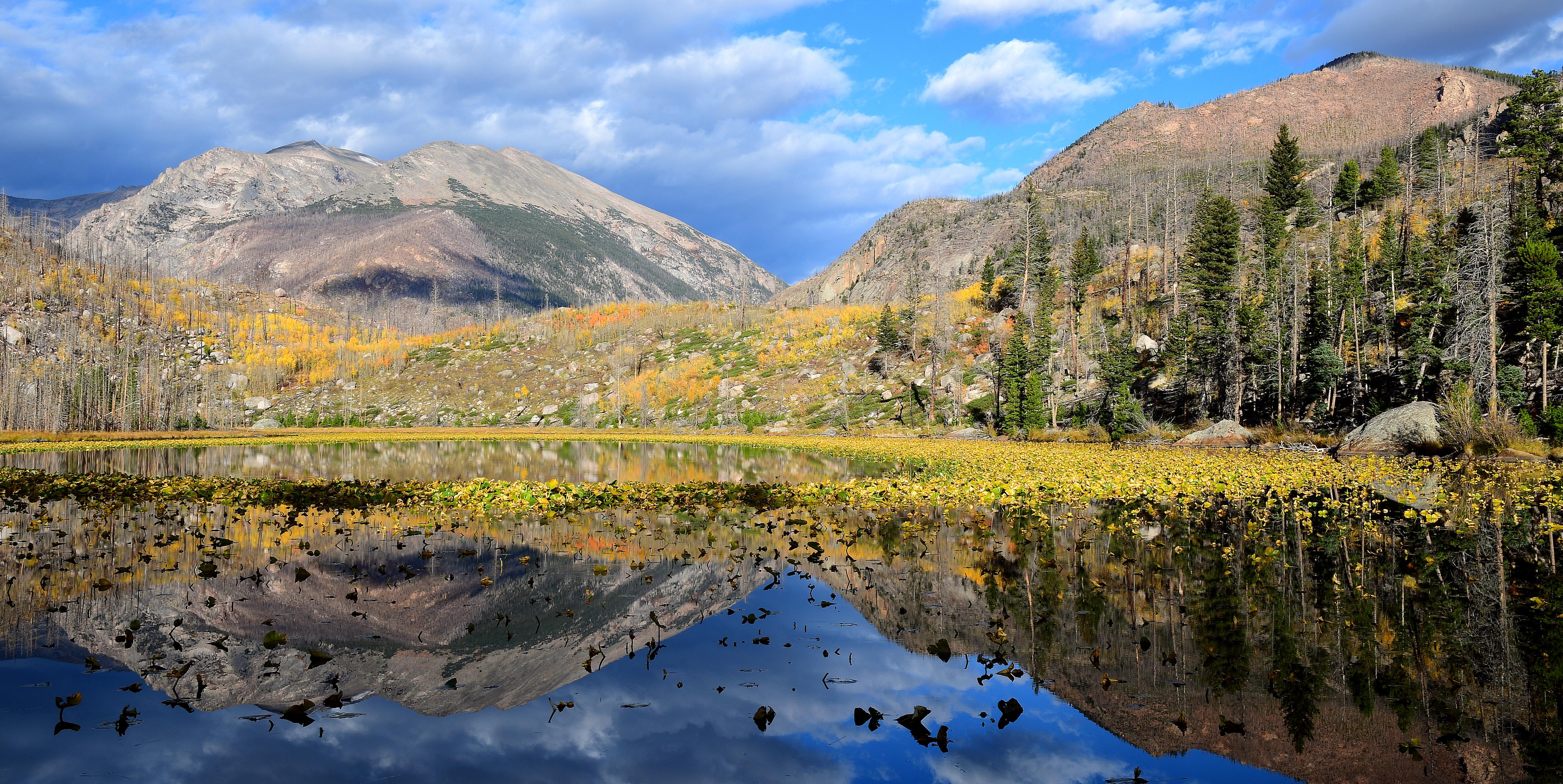
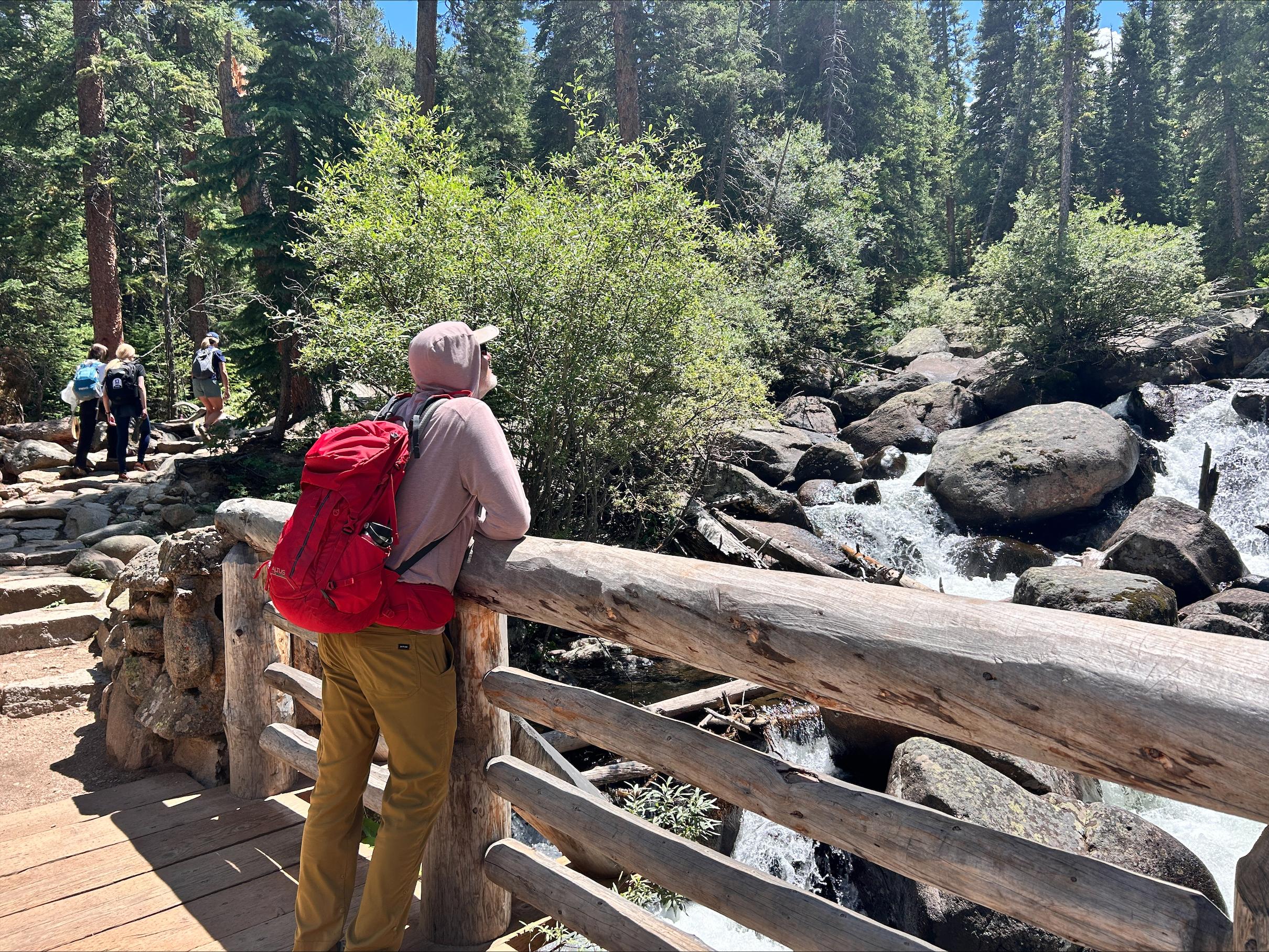
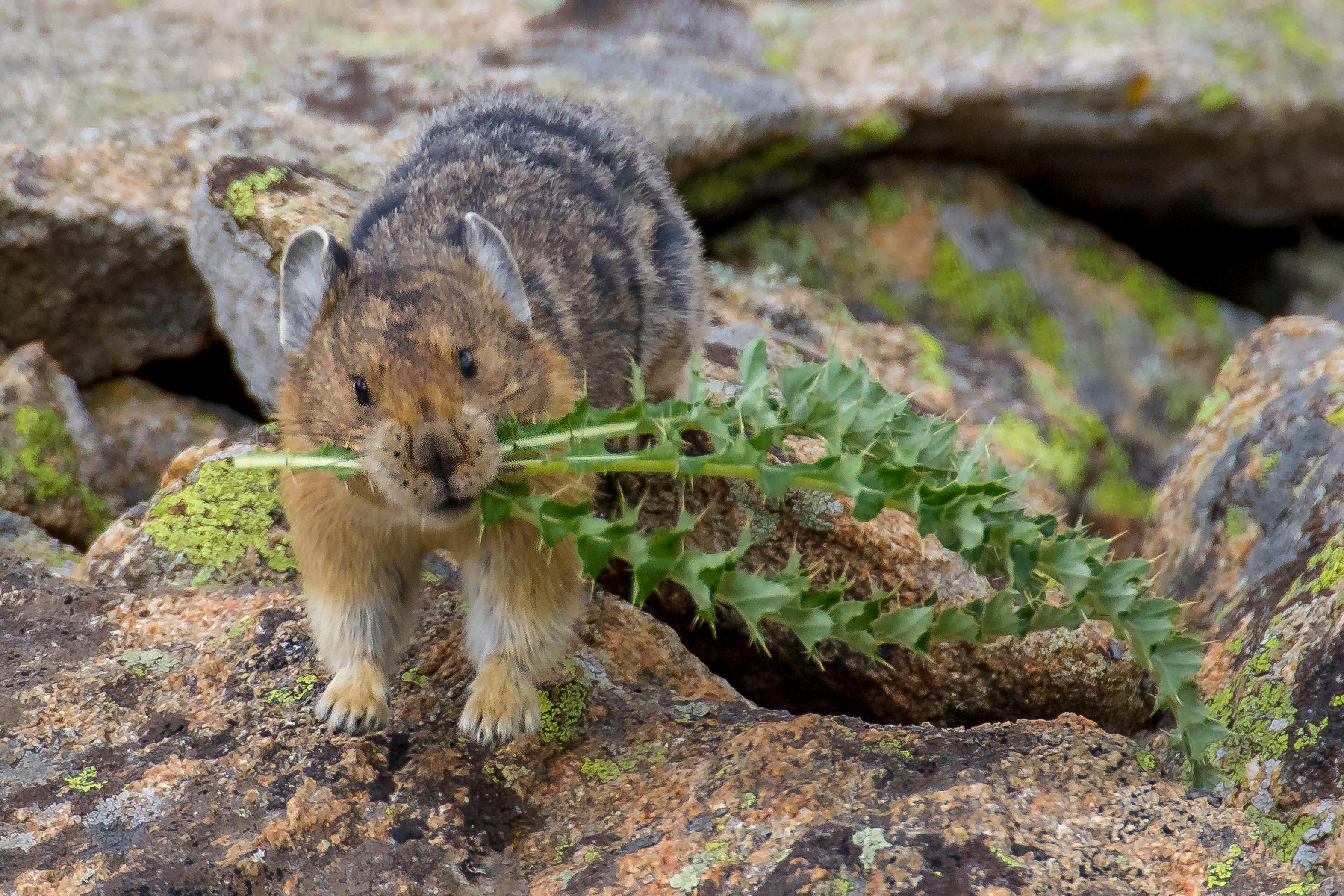
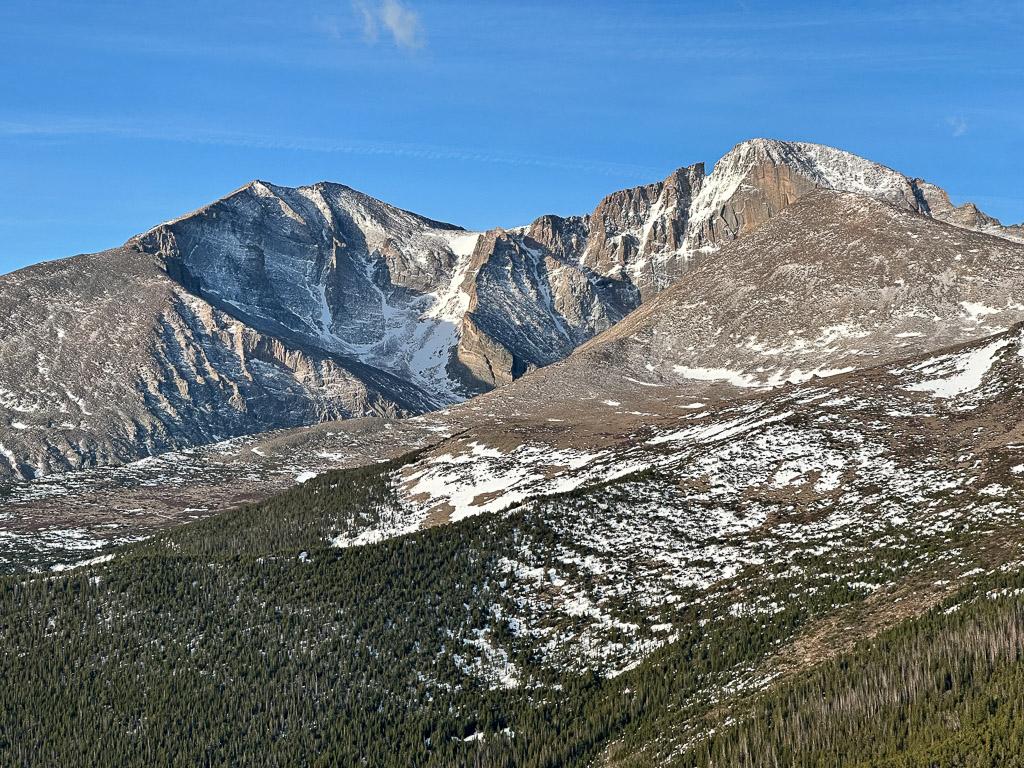
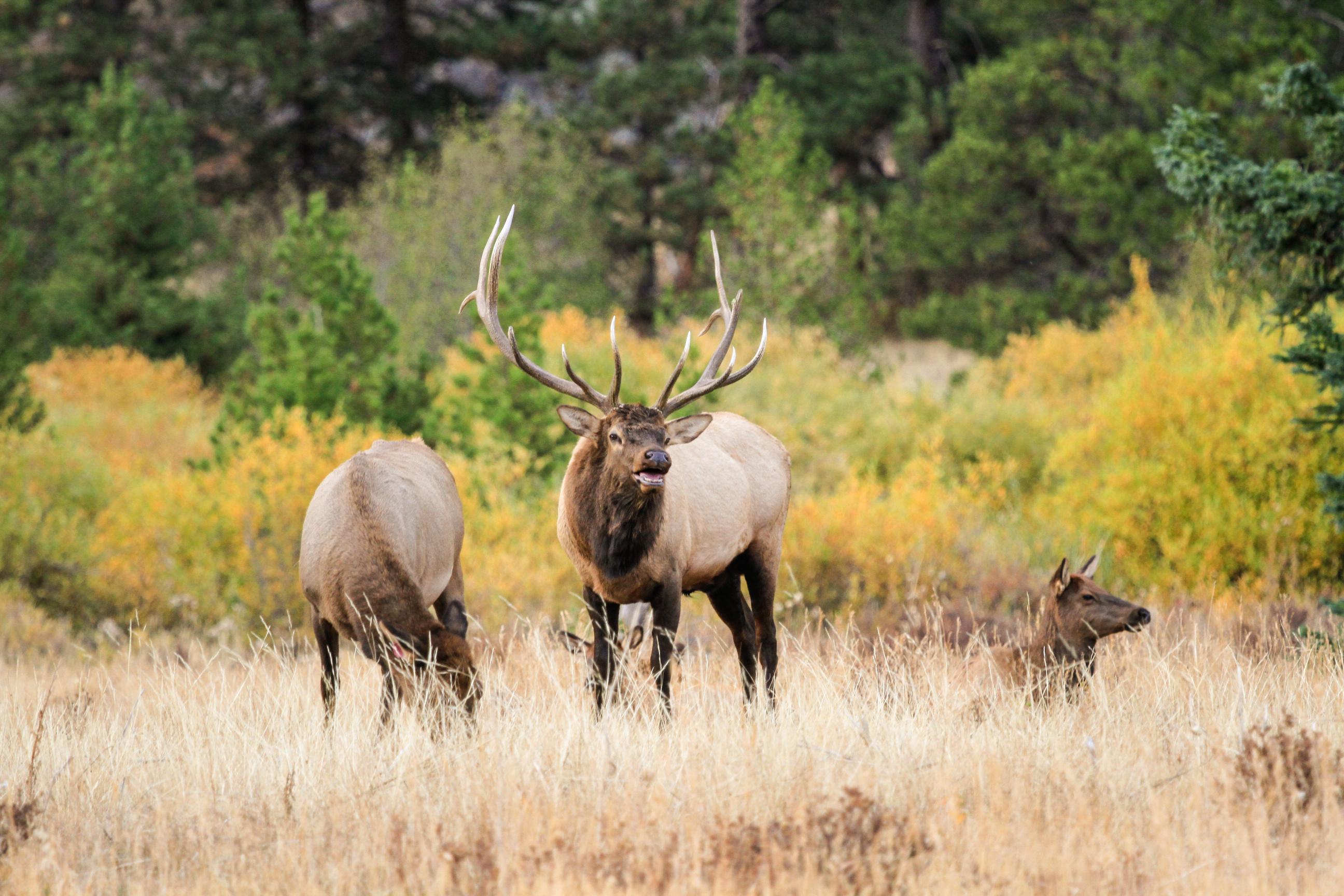
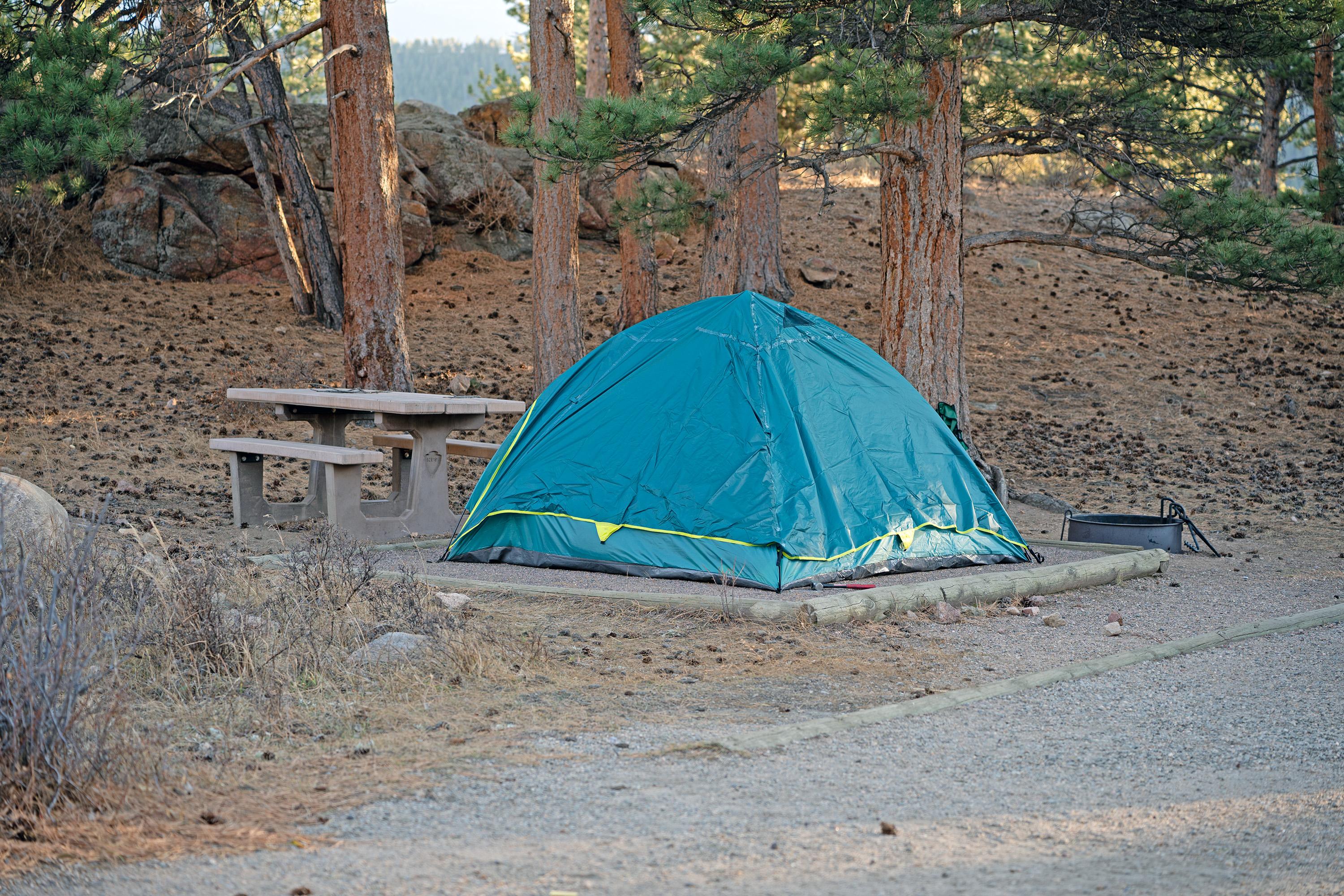
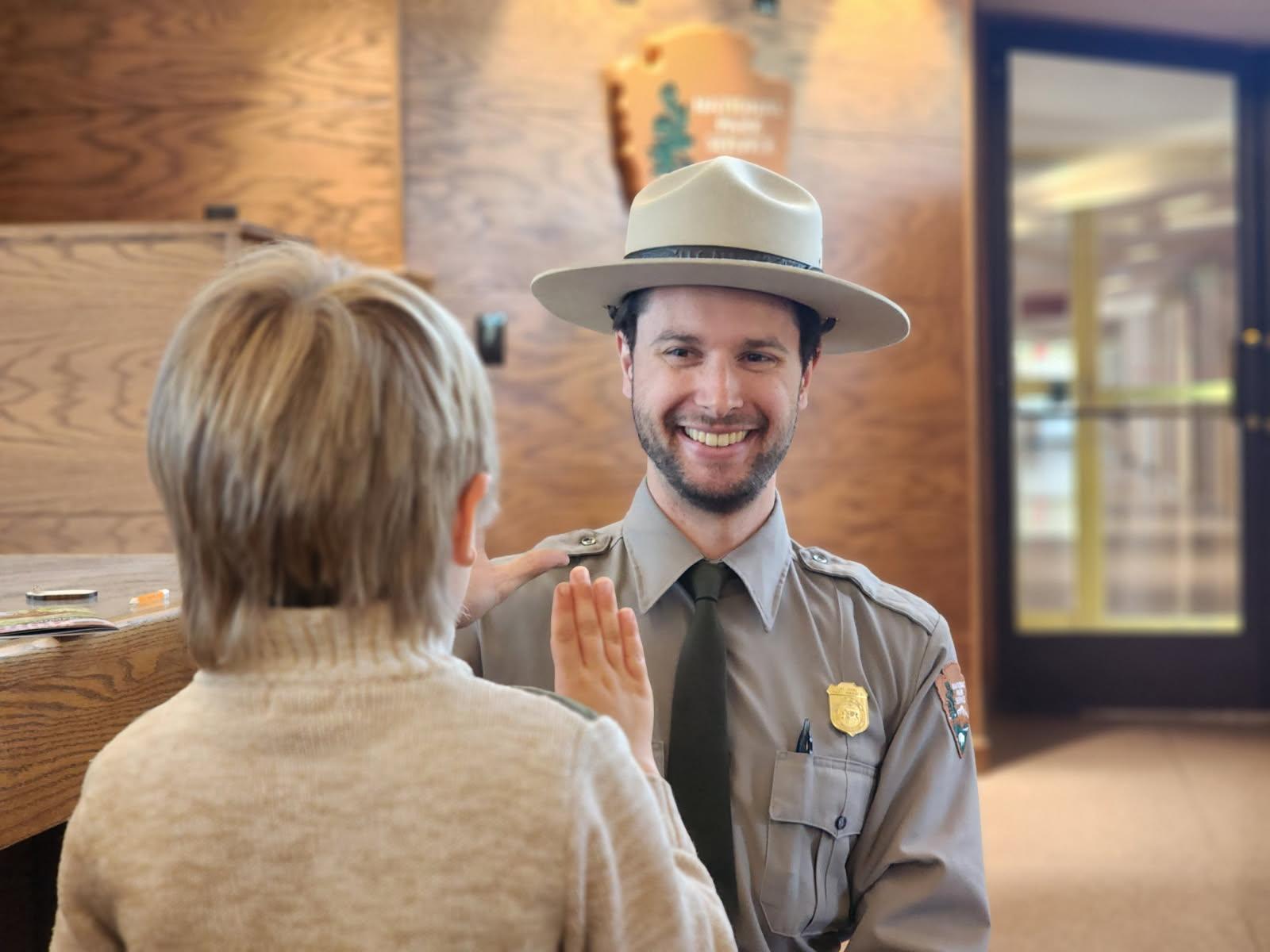
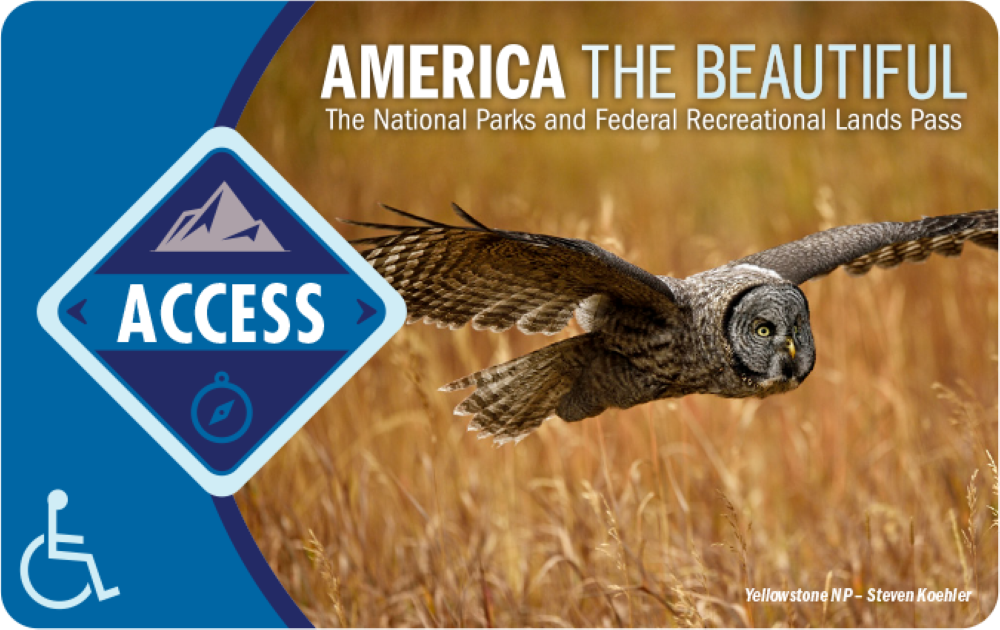


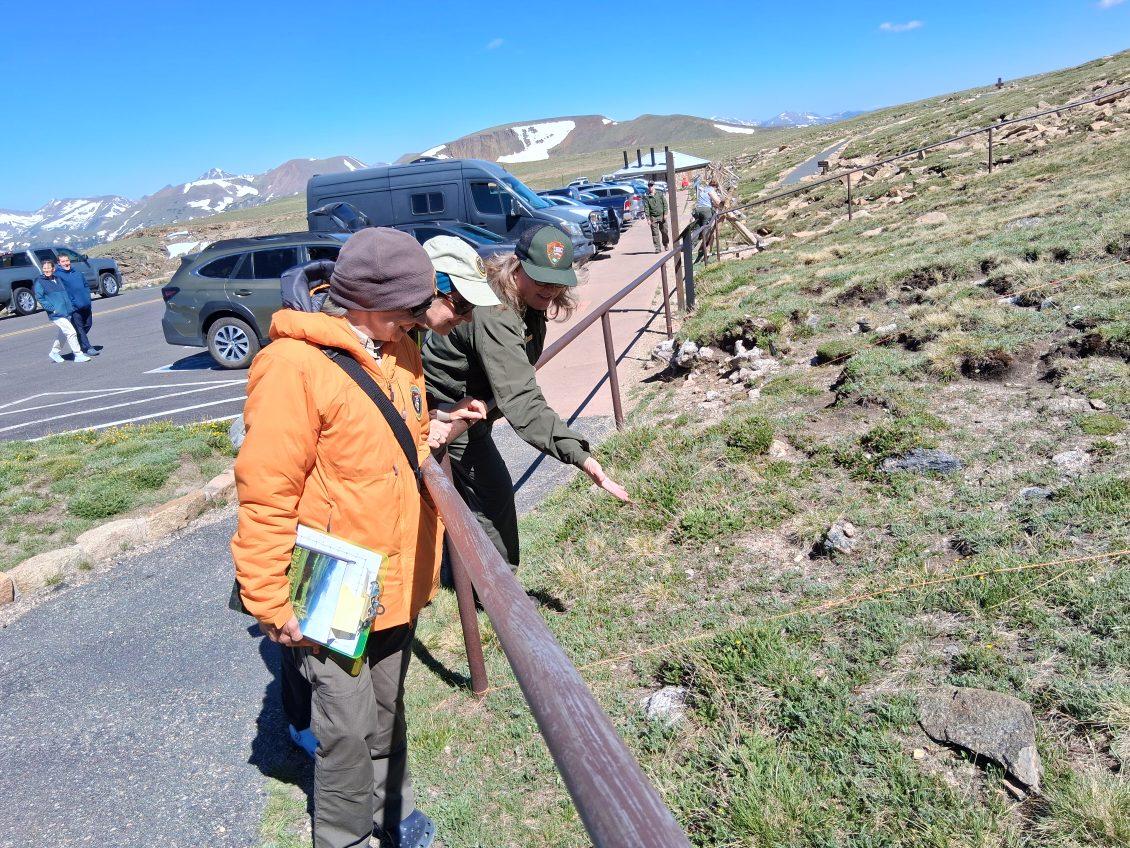

No structured outing assessments have been reviewed for this park yet. Check the official accessibility guide for your requirements.
Compare accessibility details → Mountains
Colorado
Big enough to be overwhelming, yet still intimate enough to feel the pulse of time. Come see some of the steepest cliffs, oldest rock, and craggiest spires in North America. Forces of nature and the Gunnison River sculpted this canyon over two million years. The result is a vertical wilderness of rock, water, and sky.
 Desert
Colorado
The tallest dunes in North America are the centerpiece in a diverse landscape of grasslands, wetlands, forests, alpine lakes, and tundra. Stay on a moonless night to experience countless stars in this International Dark Sky Park! Open 24 hours a day, 7 days a week year-round. There are no timed entries or reservations to visit.
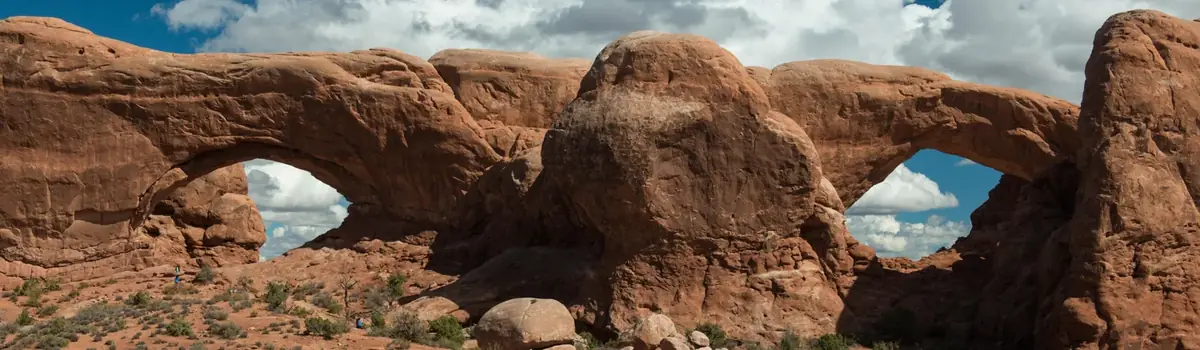 Desert
Utah
Discover a landscape of contrasting colors, land forms, and textures unlike any other. The park has over 2,000 natural stone arches, hundreds of soaring pinnacles, massive rock fins, and giant balanced rocks. This red-rock wonderland will amaze you with its formations, refresh you with its trails, and inspire you with its sunsets.