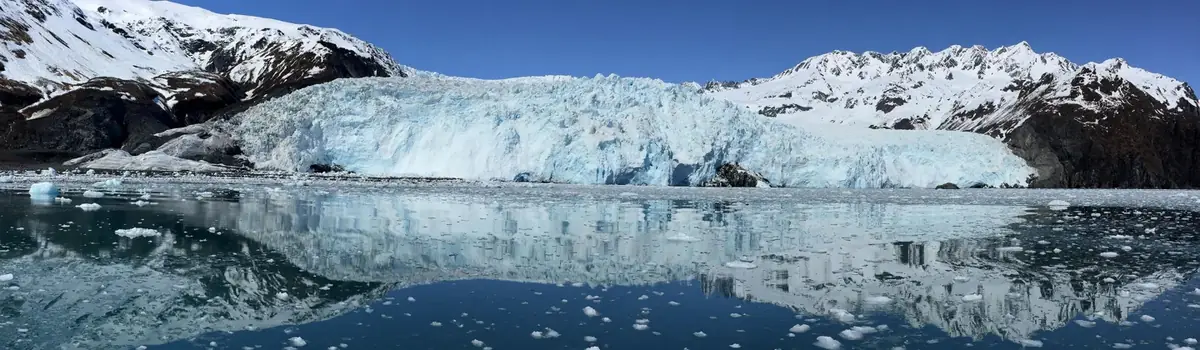
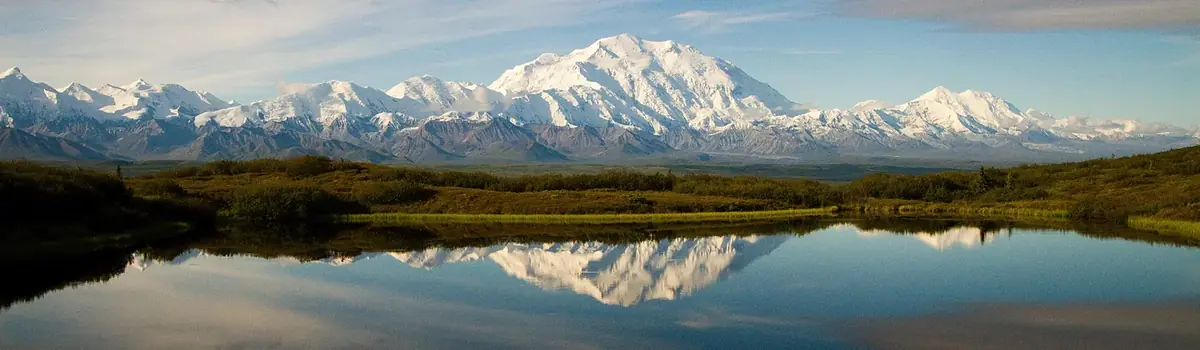
Wrangell-St. Elias is a vast national park that rises from the ocean all the way up to 18,008 ft. At 13.2 million acres, the park is the same size as Yellowstone National Park, Yosemite National Park, and Switzerland combined! Within this wild landscape, people continue to live off the land as they have done for centuries. This rugged, beautiful land is filled with opportunities for adventure.
8.3Macres of parkland
108.8Krecreation visits, 2025
Regional datanearby climate picks
Seasonal access & reservations
No reviewed guidance for this selection. Check the park's official planning pages; missing coverage does not establish access.
Selected guidance only; separate from climate comfort and current conditions.
Official conditions Not checked
The conditions feed has not been connected for this park.
Choose an appropriate established trail or book a qualified glacier guide. Walking on ice is a separate technical activity, not an assumed part of the plan.
Editorial recommendations, reviewed 2026-10-17. Full park days, excluding travel to and from the region. A first-visit outline for a general traveler; adapt to mobility, fitness, season, reservations, and current conditions. These are suggested days, not reserved activities or guaranteed routes.
There are a variety of day hikes found along the three main roads and the park and preserve.
Hiking in Wrangell-St. Elias can be spectacular and we encourage you to do it! Most of our hiking trails are maintained for the first few miles and then become routes. Click on the below links to find out more and to discover the trails in each of the park's visitor services areas.
Copper Center Area - Most of the trails in this area are outside of the park, but are still scenic with endless views of the Wrangell Mountains.
McCarthy Road and Kennecott - While the McCarthy Road has very few day hikes, Kennecott has several trails, including the best ones in the park for glacier viewing.
Nabesna Road Area - Numerous day hikes are available. Follow creeks, head into the mountains, and explore the alpine meadows in this area.
Yakutat and Coastal Area - There are no park trails in this area, but the Tongass National Forest has several trails near Yakutat that take you into the temperate rainforest.
Leave No Trace - Wrangell-St. Elias is recognized as being one of the few places remaining in the world where nature is still in charge. We need your help to keep it this way.
Backcountry Safety - At Wrangell-St. Elias you do not have to stay on maintained trails. If you go off trail, please take precautions for staying safe in this remote park.
Backpacking - for multi-day backpacking opportunities in the park, visit this webpage
Wrangell-St. Elias is full of amazing and awe-inspiring sights and scenery. Come explore our mountains; you won't regret it.
A backpacking trip in Wrangell-St. Elias National Park and Preserve can be an exciting and rewarding experience if you are prepared for the difficulties of traveling through rugged, undeveloped land. Stay safe on your adventure by reading the park's backcountry safety page. Remember that proper food storage is required . Bear Resistant Food Containers (BRFC), if available, can be borrowed from the park. Check availability at a park visitor center. As you begin deciding where you want to backpack in the park, consider starting with guidebooks that describe routes in the area. Here are some suggestions:
Hiking Alaska's Wrangell-St. Elias National Park & Preserve: From Day Hikes to Backcountry Treks by Greg Fensterman
Hiking in Wrangell-St. Elias National Park by Danny W. Kost
Hiking Alaska by Dean Littlepage
55 Ways to the Wilderness in Southcentral Alask a by Helen D. Nienhueser
There are countless backpacking routes in Wrangell-St. Elias National Park & Preserve. To get you started, some of the more commonly completed routes are described below. Remember, every route has variations, extensions, and ways to make your trip unique!
For information to plan a backpacking trip, please email a backcountry ranger at wrst_backcountry@nps.gov
Our park and preserve has a vast variety of challenging mountains; if you're looking for a challenge, you won't be disappointed.
NPS/ Matt Smith/ Goat Creek Glacier
Wrangell-St. Elias contains 7 of the 20 highest peaks in North America. The mountains here however, are unlike mountains you might experience outside of Alaska. Any peaks higher than 10,000 feet are glaciated, and typically require long, technical expeditions to summit. Consider hiring a mountaineering guide unless you have extensive mountaineering experience.
For more information about mountaineering in the park, email a backcountry ranger at wrst_backcountry@nps.gov.
Every climber has a responsibility to help keep the glacier environment clean, both for the benefit of your own climbing experience and for future generations. Proper disposal of trash, fuel cans, and human waste is the right thing to do, and it is required. Proper disposal includes:
If you pack it in, you must pack it out. Do not leave food caches, broken equipment, or glacier wands.
Fixed lines or fixed protection you place must be removed at the end of your climb.
Human waste should be deposited into crevasses.
All climbing expeditions that enter Kluane National Park and Reserve, Canada, must secure a permit in advance from Kluane National Park and Reserve, per their requirements. Visitors travelling by foot into Kluane National Park and Reserve from Alaska will not be issued a permit without prior clearance from Canada Border Services Agency. Contact Canada Border Services at 867-667-3943 or 613-948-7878. Visitors intending to enter Alaska from Kluane National Park and Reserve must obtain prior approval from U.S. Customs & Border Protection. Contact U.S. Customs & Border Protection at 907-767-5511.
The first ascent of Mt. Blackburn was done by Dora Keen in 1912. She made her ascent via a direct route on the Kennicott Glacier. Read the story of The First Ascent of Mount St. Elias .
Bring your kid for a fun time at our park and preserve, where we have special programs and activities made with your child in mind!
Kids love Wrangell-St. Elias! There are millions of acres of mountains, glaciers, wildlife, old mines, and adventure to explore. If you can't actually visit the park, you can have fun and learn about this very special place by clicking on some of these links...
Become a Junior Ranger!
Find out how to become a junior ranger and earn a badge, whether you are visiting the park, learning in a classroom or at home!
Create Your Own Badge
Create Your Own Arrowhead
Junior Angler Let's Go Fishing Activity Booklet
Are you ready to earn your Junior Ranger Angler badge?
Follow these easy steps:
Download the booklet and complete as many activities in the book as you can.
Have a parent/guardian review your work and help you celebrate your success.
Scroll to the bottom of this page to print and make your own badge. Web based Junior Ranger books are self-badging only.
You may also contact your favorite park that offers fishing to see if booklets and badges are available. You can find a park on the National Park Service Fish & Fishing website .
Make your fun adventure a safe one, too!
Where will you fish? Do you know the regulations?
National Park Service fishing regulations help conserve (protect) fish for the enjoyment of future park visitors, for maintaining healthy ecosystems (where fish live), and for their intrinsic value (something that will always matter to everyone).
The National Park Service provides badges for park based Junior Ranger Programs. For web based programs you may make your own badge by printing this image and cutting around the line.
Wrangell-St. Elias Coloring Activity
Check out our coloring pages sketched by Alaskan Artist Jona Van Zyle. Wrangell-St. Elias hosted renowned Alaskan Artists, Jon and Jona Van Zyle in 2006 as Artists-In-Residence. Jona's beautiful drawings reflect her passion for wild places like Wrangell-St. Elias. You can be creative and learn more about Wrangell-St. Elias National Park and Preserve by dowloading and coloring these beautiful drawings.
Wrangell-St. Elias Coloring pages 1 - 6 (pdf format 5.4 MB)
National parks are great places to explore anything kids can imagine. Go on an outdoor adventure. Walk in the footsteps of famous people. Take in unique scenery. Explore new interests. Experience real places you may have only heard about. But most of all, national parks are places where you can have fun and create memories that last a lifetime. More information about Kids in Parks .
Fourth Graders Get a Free Pass to explore, learn, and recreate in spectacular settings, including national parks, wildlife refuges, marine sanctuaries, and forests!
Every Kid Outdoors connects fourth graders and their families to public lands. Complete a fun activity and get your voucher for free admission today.
Beavers, bears, birds and bugs are all happy residents here, along with many other amazing creatures.
Where ARE the animals? In spring, melting snow allows plants to start sprouting in the high mountains. Many animals leave the spruce forests and travel higher to find these sweet and nutritious young plants. Heading higher also takes them away from flies and swarming mosquitoes that are common in spring and early summer.
Scan high mountainsides and rocky ridges for small white dots...these could be sheep! Wrangell-St. Elias contains one of the largest concentrations of Dall sheep in North America. Moose are often seen near willow bogs and lakes. In the fall, bears and other animals may be sighted near salmon spawning streams. Other species of large mammals here include grizzly & black bears , mountain goats, caribou, and even two herds of transplanted bison.
Stay alert and you may see a variety of smaller animals, such as snowshoe hares, arctic ground squirrels, beaver, porcupine, trumpeter swans, and foxes near roads and trails.
The Copper River Basin and Yakutat Bay areas are along major migratory routes for numerous bird species . The Park and Preserve provides wetland areas for nesting geese, trumpeter swans, ducks and other waterfowl. Both golden and bald eagles nest within the park. Year-round species include ptarmigan, grouse, ravens and a variety of owls.
The Copper River watershed provides spawning areas for three types of salmon (red, silver and king) along with rainbow trout, lake trout, grayling, steelhead, Dolly Varden and burbot.
The coastal areas of the park are habitat for abundant marine mammals, including sea lions, harbor seals, sea otters, porpoises and even whales.
Go do the Alaska Department of Fish and Game's Wildlife Viewing website , for state-wide information on when to see wildlife, tips, checklists, maps, and other useful information.
Viewing Wildlife Along Park Roads
Why is it so hard to see wildlife from Nabesna Road or the McCarthy Road? It’s due in part to the natural movements of animals and birds but it‘s also because of the thick brush that grows along much of the roadsides during the summer. If you slow down and learn a few tricks of animal behavior, you’ll have a much better chance of a special sighting.
There are animals beyond the six to eight foot high screen of willow and alder along the roadside but their coloration and behavior make it tough to get a glimpse of them as you are driving. For instance, moose calves have fur that is the same reddish brown color of willow stems while their moms’ fur is a grayish brown that allows them to blend into the bark of the taller alders and cotton woods – particularly if they stand still. It is amazing to observe a 1,000 pound moose disappear into the brush or spruce trees. Try stopping where you saw the moose leave the road and look carefully into the vegetation. Sometimes it’s standing there, counting on its camouflage to hide.
Many resident and migratory birds have coloring that allows them to disappear into the brush; all except for the vividly colored males of some species. A brilliant red male pine grosbeak or nearly florescent yellow male Wilson’s warbler look like Christmas ornaments as they fly around in the willows and spruce trees trying to attract a mate or forage for food. If you look up into the tops of the spruce trees you may be surprised to spot a gull. We most often associate gulls with the sea but they can be found nesting near many of Alaska’s interior lakes. A stop at one of these lakes might provide a view of a loon or trumpeter swan or other migratory waterfowl that fly thousands of miles to nest here to take advantage of the long hours of daylight and abundant food.
Red squirrels, Arctic ground squirrels, and even red backed voles can be seen darting across the roads all summer. Ground squirrels can be seen sunning themselves on a warm day. Red squirrels seem to run across the road randomly. They are aggressively territorial and disputes over a pile of spruce cones or nest sites can involve loud trilling and lots of chasing. Young red squirrels are very playful so you may catch a glimpse of a game of chase. Voles are small, short tailed rodents and a favorite food of owls and other raptors. When they “run” across the road, their short legs move so fast they are difficult to see. They appear to "levitate" from one side of the road to the other. Of course, Snowshoe Hares seem to dare each other to dart out into the road just as you drive by.
The best way to increase your chance of seeing wildlife from any of the state’s highways is to make frequent stops and use binoculars to scan the countryside. Stay alert for scat or tracks in the dust that might be a sign that an animal has been in the area recently. And don’t over look the little guys. Remember, it’s always safest for both you and the animal to view them from a distance. Most importantly, get out there and enjoy the outdoors and the many discoveries that await you.
The Alaska Geographic Bookstores found in park visitor centers have a wide selection of natural history guides.
Come enjoy the twists and turns of a rushing river with your family and friends. Guides are available for beginners.
Lakina River Update
In September of 2024 a large landslide completely blocked the Lakina River (a popular backcountry packrafting run in Wrangell- St. Elias National Park) just upstream of its confluence with Fohlin creek (61.46555, -143.27290). In the time since the slide, the river has created a new channel through the raw earth and along with it several new river hazards. During September 2025 River patrol park rangers observed multiple log jams and sweepers in and around the newly created river channel. It is currently recommended that boaters portage the entire affected area on river right for approximately 0.4 miles until the river rejoins its historic channel. As the river continues to carve a new channel through the debris, conditions are expected to change. There is a high likelihood that flushed logs, and debris will create additional hazards downstream. If you choose to float this stretch of river, stay alert, and when in doubt, scout it out.
NPS Photo- Bryan Petrtyl
The rivers of Wrangell-St. Elias National Park & Preserve offer a scenic and remote backcountry experience. Boats provide an incredible way to move through the mountains and experience one of the most dramatic landscapes on the planet.
There are, however, considerations that must be taken on Alaskan rivers that don’t apply elsewhere. If your group is uncomfortable with the inherent risk of any of these hazards, we recommend reaching out to a guide service.
Cold Water - The rivers in Wrangell St- Elias National Park are primarily fed by glaciers and snow melt. This means they are very cold, sometimes just a couple degrees above freezing at their headwaters! Dry suits, layers, and a way to heat up fast (stove, sleeping bag, hand warmers) are all recommended on trips in the park.
Wood - Wood hazards (strainers and sweepers) are present on all rivers in the park. Thanks in part to constant erosion of riverbanks, trees falling into or leaning over rivers is commonplace. Situational awareness and prompt action is imperative to mitigate wood hazards.
Silt - Due to glacial silt suspended in the river water, most underwater obstacles cannot be seen. Rivers range in color and turbidity and often rocks and wood hazards beneath the surface are challenging to identify. Water reading skills are necessary for a safe river experience.
Environmental considerations (sun/rain) - Contrary to most other places, Alaskan rivers are at their highest sustained flows during hot sunny periods in the middle of the summer when the glaciers are putting out the most meltwater. For the same reasons, in warm weather river discharge is often highest later in the day. When looking at the weather forecast, be aware of this correlation and plan accordingly.
Rivers are also prone to large and destructive flooding events when the terrain becomes saturated after sustained periods of rain.
Remote - Very few rivers in the park are accessed via the road system. Most are either fly in or hike in experiences. This means that typically you encounter very few people. It also means that in the event of an emergency, help is a long way off. It is encouraged to plan trips that are well within the skill/experience level of everyone in the group and discuss contingency plans and resources prior to getting on the river.
Fast/Continuous - Most of the rivers in the park are characterized by a gravelly and ever-changing stream bed. Rivers are fast and do not have many large/defined eddies to regroup in or recover after a swim. Practice swimming in your dry suit/PFD in glacial water is recommended prior to launch.
Changing River channels - Geologically speaking the rivers in the park are young, and for many their glacial headwaters are rapidly changing. This means they are incredibly dynamic. They are not set in bedrock river channels and many of them are characterized by multiple braids. Channels change seasonally, and sometimes daily due to water levels, bank erosion, stream bed erosion, and flooding events. They can move laterally great distances and even create new pathways through adjacent forest. No two floats are identical, and it is important to be able to identify and avoid hazards.
Safety Equipment:
Personal Floatation Device (PFD)
Helmet (river dependent)
Communications Device
If you are on a self-guided river trip keep these hazards in mind and have a plan in place to mitigate them. Happy boating!
For information to plan a river trip, please email a backcountry ranger at wrst_backcountry@nps.gov
Wrangell-St. Elias National Park and Preserve offers unparalleled opportunities for hunting and fishing.
Sport Hunting, Trapping and Fishing
Please be familiar with the State of Alaska Hunting Regulations in Game Management Units 11 & 12 within Wrangell-St. Elias National Preserve. Hunting, Fishing and Backcountry Planning Map
This interactive map includes information about land status (park, preserve, wilderness, non-NPS lands), trails, GMU boundaries, and key hunt area boundaries. You can zoom into areas of interest, turn on and off layers relevant to your trip, and download customized georeferenced PDF (Portable Document Format) maps that can be printed, displayed on a PDF reader, or uploaded to a GPS-enabled mobile device, such as a smart phone. Hunt Area Maps These downloadable maps show important information for hunters including game management unit boundaries; park, preserve, and wilderness boundaries; trails; and non-federal lands within the boundaries of Wrangell-St. Elias. All maps can be viewed on a PDF reader or printed. Some of the maps are georeferenced PDFs that can be uploaded to a GPS-enabled mobile device, such as a smart phone. User's Guide to Sport Hunting, Trapping and Fishing in Wrangell-St. Elias. (pdf format, 1.5 MB or see expandable version below)
User’s Guide to Sport Hunting, Trapping and Fishing in Wrangell-St. Elias
Wrangell-St. Elias National Park and Preserve , the largest park in the country, was established to maintain the natural scenic beauty of the diverse geologic-, glacial-, and riparian-dominated landscapes; to protect the attendant wildlife populations and their habitats; to ensure continued access for a wide range of wilderness-based recreation; and to provide continued opportunities for subsistence use. Wrangell-St. Elias is home to many fish and wildlife species and contains one of the largest concentrations of Dall sheep in North America – healthy populations of sheep are found along rocky ridges and mountainsides. Moose are often seen near willow bogs and lakes. Other species of large mammals include mountain goats, caribou, wolves, and two small herds of introduced bison. Black bears and brown bears (grizzlies) are found throughout the park and preserve, and small mammals include lynx, wolverine, beaver, marten, fox, porcupine, coyotes, marmots, river otters, ground squirrels, pikas, and voles. The United States Congress established Wrangell-St. Elias National Park and Preserve along with other conservation units in Alaska in 1980 when it passed the Alaska National Interest Lands Conservation Act, commonly known as ANILCA. In addition to subsistence harvests by local rural residents, it provided the opportunity for hunting and trapping in the national preserve and fishing in both the national park and the national preserve under State of Alaska regulations. Alaska national preserves offer an opportunity to hunt in some of the wildest places in our country. The National Park Service (NPS) supports the opportunity to hunt by protecting wildlife and their habitats. All harvest activities must be consistent with federal laws and NPS regulations intended to maintain nat
Land Status: National Park versus National Preserve
Some lands in Wrangell-St. Elias are designated as national park, while others are designated as national preserve. Hunting and trapping under State of Alaska regulations established by the Alaska Board of Game are only authorized in the national preserve. Both Wrangell-St. Elias National Park and Wrangell-St. Elias National Preserve are open to fishing under State of Alaska regulations established by the Alaska Board of Fisheries. See the parkwide land status map below on this web page. To generate and download customized georeferenced PDF maps, please visit the Hunting, Fishing, and Backcountry Planning Map . Third party applications (apps) for smartphones also provide land status information and can be a helpful resource. Many of these apps are designed for hunting. Not all mobile applications have land status information for Alaska and it is the responsibility of users to ensure the app is up to date and is providing correct information.
Hunters are responsible for knowing and complying with current State of Alaska hunting regulations and must carry licenses, harvest tickets, and tags while hunting. Become familiar with food storage rules and Leave No Trace practices and follow them while camping in the national preserve. Please do your part to minimize human impacts in the preserve. Always know the land status of where you are and be sure you are hunting legally. Federal and state law prohibits interfering with another hunter’s pursuit of game. All hunters 18 years of age or older must have a valid State of Alaska license to hunt in the preserve. All hunting must be done in accordance with Alaska laws and regulations. Bag and possession limits vary by species and by area. Always check current hunting regulations, which are available at park visitor centers, at Alaska Department of Fish and Game offices and their website: https://www.adfg.alaska.gov . Some aspects of the regulations, such as seasons and harvest limits, are organized by geographic areas called Game Management Units or GMUs. Wrangell-St. Elias National Preserve includes lands within GMUs 5, 11, 12, and 13. Different hunting seasons and regulations apply depending on residency status, location, and species hunted, including whether you are required to hunt with a licensed guide. Generally, a resident is someone who has lived in Alaska for the last continuous year. Nonresident hunters may have lived in the state for less than a year, have a non-primary residence in the state, or be visiting from another state or country. Nonresidents hunting brown bear, Dall sheep, or mountain goats must be accompanied by a registered guide or assistant guide who is employed by a registered guide under Alaska Statute 08.54 or by a family member (within seco
Know What to Salvage
After an animal has been harvested, it is the hunter’s responsibility to salvage the meat and any other parts required by regulation. You must salvage all the edible meat for all big game animals except brown/grizzly bear, wolf, wolverine, and in certain circumstances black bear. Under State of Alaska regulations, the horns, hide, or antlers may be taken out of the field only after the meat is packed out or with the final load of meat. These salvage requirements reflect the high value Alaskans place on game meat, ethical hunting and respectful treatment of animals. It is unlawful in Alaska to waste meat, in addition to being a poor hunting practice. Failure to salvage edible meat is a serious offense and penalties are severe. General savage requirements in effect at time of printing this guide are presented below. However, be sure to check the current regulations book for any additional salvage requirements for your hunt or changes to the general requirements. See the meat salvage graphic below on this web page (courtesy of Alaska Department of Fish & Game). Salvage for most big game: If you shoot a moose, caribou, sheep, mountain goat, or bison, you must salvage the following:
All the neck meat,
All the chest meat (brisket),
All the meat of the ribs,
Front quarters to the knee,
Hindquarters to the hock, and
All the meat along the backbone (backstrap and tenderloins).
Some areas require that meat be left on the bone until it is removed from the field. If meat is removed from the bone, make sure to trim closely to remove all the edible meat. You are not required to salvage the meat of the head, guts, bones, sinew, and meat left on the bones after close trimming, or meat that has been damaged and made inedible by the bullet or arrow. These portions of the animal may be left in the field because they are not included in the definition of edible meat that must be salvaged. Salvage for brown/grizzly bears: You must salvage the entire hide (with claws attached) and skull of a brown/grizzly bear unless it was taken in (and not removed from) one of the subsistence hunt areas under a state subsistence registration permit. Salvage for black bears:
Meat: In all areas of the state during Jan 1-May 31, edible meat must be salvaged and removed from the field. This meat may not be used for pet food or bait.
Skull AND Hide or Skull AND Meat: In Unit 5, the skull must be salvaged and removed from the field year round for sealing; during June 1-Dec 31, either the hide with claws attached (for sealing) or the meat must also be salvaged and removed from the field.
Hide or Meat: In Units 11-13, during June 1-Dec 31, either the hide (with claws attached) or the meat must be salvaged and removed from the field.
When the salvage of bear meat is required, you must salvage the meat of the front quarters and hindquarters and meat along the backbone (backstraps). When the salvage of brown bear meat is required under a subsistence permit, you must also salvage all of the meat of the neck, brisket and ribs. The meat is required to be salvaged first, and bear hides and skulls (when required to be salvaged) may be transported simultaneously with the last load of meat. Salvage for small game: You must salvage either the hide or meat of beaver, pika, and ground squirrel. For small game birds, the breast meat must be salvaged, except for geese, cranes, and swans; for these you must salvage the meat of the breast, back, legs, thighs, wings. Salvage for furbearers and fur animals: You must salvage the hide of a wolf, wolverine, coyote, fox, or lynx. Antler or horn salvage : Antlers or horns may not be removed from the kill site until all of the edible meat has been salvaged; they may accompany the last load of meat. In hunts with antler or horn restrictions, antlers or horns must be salvaged and may not be altered unless required by permit conditions. Antlers must remain naturally attached to the unbroken/uncut skull plate if the required number of brow tines aren’t present. Evidence of sex: If you kill a big game animal (other than a sheep) where the bag limit is restricted to one sex, you must keep enough of the sex organs (penis, scrotum, testicles, udder, teats, vaginal orifice) naturally attached to part of a hind quarter to show the sex of the animal, until the animal is processed for human consumption. Antlers are not proof of sex, except for deer when the antlers are naturally attached to the entire carcass with or without the viscera. Horns are evidence of sex for Dall sheep, and t
Sealing of Hides or Skulls
If you harvest a bear, beaver, lynx, marten, otter, sheep, wolf, or wolverine you may need to have it sealed. Sealing means having an authorized representative of the Alaska Department of Fish and Game place a seal on an animal hide, skull, or both. These requirements apply to animals harvested under both hunting and trapping regulations. Sealing requirements vary by species and area, so check the information relative to your particular harvest to see if there are sealing requirements.
Guided Sport Hunting
Hunters who are not Alaska residents must be accompanied by a registered guide or assistant guide employed by a registered guide as follows under Alaska Statute 16.05.407: • Nonresident: guide required for brown/grizzly bear, sheep or goat. • Nonresident alien (citizen of a foreign country who is not a U.S. resident): guide required for brown/ grizzly bear, black bear, bison, caribou, deer, elk, goat, moose, muskox, sheep, wolf or wolverine. Hunters may also choose to employ a registered guide to enhance their hunting experience through the local knowledge and expertise of the guide, even if one is not required. In Wrangell-St. Elias, hunting guides are managed through concessions contracts to provide sport hunting services in each of fifteen guide areas in the preserve. For information about hunting guides who are authorized to operate in Wrangell-St. Elias National Preserve, visit the NPS Alaska Region website: https://www.nps.gov/locations/alaska/services-wrangell-st-elias.htm .
Trapping furbearers and fur animals under State of Alaska regulations is only allowed in the preserve. You must have a state trapping license. All trapping must be done in accordance with Alaska State laws and regulations, including seasons, harvest limits, and salvage and sealing requirements. Always check current trapping regulations, which are available at ADF&G offices and on the department’s website: https://www.adfg.alaska.gov . Trappers are encouraged to read and follow the Trapper Code of Ethics, which is available on the back of the State of Alaska trapping regulations booklet. NPS regulations define a trap as “a snare, trap, mesh, or other implement designed to entrap animals other than fish.” For this reason, free-ranging furbearers may not be taken with a firearm or bow and arrow on NPS lands, including the preserve, under a trapping license. However, some free-ranging furbearers may be taken with a firearm under a hunting license if there are applicable hunting seasons and harvest limits for the species and area. A firearm may also be used to dispatch a furbearer that is caught in a trap. Please trap in ways to minimize conflicts between trapping and other users. Avoid situations, for example, where you might catch a domestic dog or cat, such as near homes or trails frequently used by skiers, skijorers, or mushers. At the end of the season, please remove all litter from the trapline, including broken boxes and trap pan covers.
Frequently Asked Questions – Hunting
What do I do if I make a mistake? For example, shoot a sub-legal ram or bull, or shoot the wrong sex? If you find yourself in this situation, contact the Alaska Regional Communication Center at (907) 683-9555, your nearest Ranger Station, the Alaska State Troopers or the Alaska Department of Fish and Game to “self-report” your mistake. Failure to do so could result in greater penalties. Also, please note that salvage requirements still apply, and the hunter must turn over the animal to the state. How do bag limits work for hunting? A bag limit is usually the maximum number of animals of any one game species a person may take in the state during a regulatory year. A bag limit applies to a regulatory year (July 1–June 30) unless otherwise specified, and includes animals taken for any purpose, including subsistence. Bag limits from different areas or types of hunts cannot be added together. When there is a hunting season and a trapping season for the same species, the bag limit under hunting regulations is separate from the bag limit for trapping.
For small game, there may be daily bag limits, rather than annual limits. In hunts with daily bag limits, there may also be possession limits.
For migratory game birds, “possession limit” means the maximum number of lawfully taken migratory game birds of a single species or designated aggregate of species that may be possessed by any one person in any specified geographic area for which a possession limit is prescribed.
For resident game birds, “possession limit” means whole birds or the edible meat of game birds, excluding those that are canned, frozen, smoked, dried or otherwise processed for human consumption after a 15-day period.
I am an Alaska resident and have a state subsistence permit. Can I use that permit to hunt in the national park? No. Only local rural residents hunting under federal subsistence regulations can hunt in the national park. You can, however, hunt in the national preserve under your state subsistence permit. Can a sport hunter fly into the national park and then walk into national preserve to hunt? While taking wildlife is prohibited in Wrangell-St. Elias National Park by other than federally qualified local rural residents, generally individuals may land in the area designed as “park” in order to hunt in the national preserve. It is important to know that the term “taking”– with respect to wildlife harvest – includes a range of activities in addition to actual harvest. Under federal regulations, it means “to pursue, hunt, shoot, trap, net, capture, collect, kill, harm, or attempt to engage in any such conduct.” Additionally, persons transporting wildlife through park areas must identify themselves and the location where the wildlife was taken when requested by NPS law enforcement personnel. Hunters should also be aware that the rules may also differ if a hunter is employing the services of a big game hunting guide. Can a hunter use a drone to spot game? No. State of Alaska regulations prohibit the use of any device that has been airborne, controlled remotely, or communicates wirelessly, and used to spot or locate game with the use of a camera or video device. Additionally, the use of drones from NPS lands is generally prohibited for any purpose. Is hunting allowed in designated wilderness? Yes. Wilderness designation does not affect whether a person can hunt, but it may affect allowed means of motorized access.
Private Property
Please Be Aware of and Respect Private Property Approximately 1 million of the 13 million acres of land within the boundaries of Wrangell-St. Elias National Park and Preserve are non-federal lands belonging to Alaska Native Corporations, other private owners, the University of Alaska, or the State of Alaska. Significant amounts of the non-federal lands are located along the McCarthy Road and the east bank of the Copper River. Hunters, trappers, and fishers are responsible for being aware of and respecting the ownership status of lands where they are engaged in harvest activities. Crossing private lands, other than legally reserved public access easements, without the permission of the landowner, as well as camping or hunting on such lands without permission is trespassing. Alaska Native Claims Settlement Act (ANCSA) 17(b) easements cross lands belonging to Alaska Native Corporations in order to provide access to public lands and waters. Other uses within the 17(b) easements, including hunting, trapping, fishing and camping require permission and possibly a permit from the landowner. And in some cases, these activities are prohibited. Easement locations are approximate, and there may or may not be trails on the ground. Contact the park or the landowner for further information about land status within the park and preserve boundaries. For information about Native Corporation lands, contact the Lands Department at Ahtna, Inc. at (907) 822-3476 and the Chitina Native Corporation at (907) 823-2223. Interactive maps of Ahtna lands can be viewed at: http://ahtna-inc.com/lands/ .
Wrangell-St. Elias is home to a tremendous array of fish resources. With hundreds of miles of streams draining into two of Alaska’s major river systems along with numerous lakes, the park contains a diverse range of fish species as well as many abundant populations. The primary fish species harvested in Wrangell-St. Elias National Park and Preserve are salmon, burbot, lake trout, whitefish, and Arctic grayling. Wrangell-St. Elias includes waters of three different sport fish regions: the Southcentral Region, the Interior Region, and the Southeast Region. The road accessible waters of the park and preserve are located in the Upper Copper/Upper Susitna Management Area and in the Upper Tanana River Management Area; both are in the Interior Region. Additional waters in more remote locations are found in the Yakutat Management Area of the Southeast Region and in waters near the US/Canadian border of the Yukon Management Area of the Interior Region. Fishing is allowed under State of Alaska regulations in both the national park and the national preserve. Copies of the regulations are available on the ADF&G website, at ADF&G offices and may be available at the Visitor Centers and Ranger Stations. A State of Alaska sport fishing license is required for all resident anglers 18 years of age and older and all nonresident anglers 16 years of age and older. Additionally, the following NPS regulations also apply when sport fishing on NPS-managed waters within the park and preserve:
Sport fishing on waters within Wrangell-St. Elias is only allowed using a closely attended hook and line. Unattended set lines are prohibited.
Chumming (placing fish eggs or parts, food, or other substances in the water to attract fish) is prohibited.
The use of any live fish, non-preserved fish eggs or roe, amphibians, or any non-native fish parts as bait is prohibited.
If NPS and state regulations differ, the NPS regulations apply. Please take precautions to avoid the spread of invasive aquatic species when fishing in Wrangell-St. Elias. When moving between water bodies, rinse and remove any plant debris, mud and sediment from gear, boats, and boat trailers, floatplane floats and rudders. Completely dry gear between systems or trips. If drying is not possible, freeze, wash with hot water (130 degrees F or higher) or decontaminate. Stateregulations prohibit the use of felt soled wading footwear when sport fishing in fresh water.
Frequently Asked Questions – Fishing
Are there any places I can’t fish? All lakes and streams within Wrangell-St. Elias National Park and Preserve are open to fishing, unless they are on private property. Note that not all lakes and streams have fish populations. Please contact a visitor center and ask a ranger for advice on specific locations. Can someone fly into the national park in order to sport fish? Yes. Fixed-wing aircraft may be used to fly into the national park for sport fishing. How do bag or harvest limits work for fishing? For fishing, a bag limit may be a daily limit, which means the maximum legal take per person per day, in the area in which the person is fishing, even though part or all of the fish are immediately preserved; a fish when landed and killed becomes a part of the bag limit of the person originally hooking it. Daily bag limits are often accompanied by possession limits, which are the maximum number of unpreserved fish a person may have in possession. Preserved fish means fish prepared in such a manner, and in an existing state of preservation, as to be fit for human consumption after a 15-day period, and does not include unfrozen fish temporarily stored in coolers that contain ice, dry ice, or fish that are lightly salted. In some situations, the bag limit may be an annual limit. What kind of salmon are in the park? All five species of Pacific salmon that are native to Alaska are found within the park: king (Chinook) salmon, silver (coho) salmon, red (sockeye) salmon are found in the bulk of the park. Pink (humpy) salmon, and chum (dog) salmon can be found in the Yakutat area. Kokanee salmon are found in Copper Lake. What are Kokanee salmon? Kokanee salmon are red (sockeye) salmon that complete their entire life cycle in fresh water. Pacific salmon normally spawn and hatch in f
Allowed Means of Access
Off-road Vehicles Recreational off-road vehicles (ORVs) may be used only on designated trails listed on an ORV permit. Recreational ORV users (including sport hunters) are required to obtain ORV permits at the Slana Ranger Station or the Wrangell-St. Elias Visitor Center. Specific regulations apply to ORV use in the Nabesna District, which is a designated area in the northern portion of Wrangell-St. Elias National Park and Preserve that includes all trails open to recreational ORV use except for Nugget Creek. The following types of vehicles are prohibited off-road for subsistence and recreational uses in the Nabesna District:
Nodwells or other tracked rigs greater than 5.5 feet in width or 4,000 pounds curb weight;
Street-legal highway vehicles;
Custom 4x4 jeeps, SUVs, or trucks designed for off-road use;
Original or modified “deuce and a half” cargo trucks;
Dozers, skid-steer loaders, excavators, or other construction equipment;
Motorcycles or dirt bikes;
Wheeled vehicles (including all-terrain/off-road vehicles, utility vehicles, and Argos) must weigh less than 1,500 pounds curb weight, not including trailers. Curb weight refers to the weight of the vehicle without accessories, passengers, cargo, or fluids. Airplanes Fixed-wing airplanes may be used to access the national preserve for the taking of fish and wildlife and to access the national park for taking fish under State of Alaska regulations. Permits for the use of airplanes are not required. However, taking ungulates, bear, wolves, wolverine, or other furbearers with a firearm or other weapon before 3 AM following the day in which airborne travel occurred is prohibited, except for flights in regularly scheduled commercial aircraft between regularly maintained public airports. The use of helicopters to access the park or preserve for the purpose of taking fish or wildlife is prohibited. Because of Alaska’s large size and limited road system, most nonresidents and many resident hunters hire some sort of transporter to get them to their hunting areas. Flying in is also a popular way to access some of the more remote lakes for fishing. Information about air taxis and transporters who are authorized to transport visitors in Wrangell-St. Elias can be found on the following webpage: https://www.nps.gov/locations/alaska/services-wrangell-st-elias.htm . There are three improved airstrips within Wrangell-St. Elias, at McCarthy, May Creek and Chisana. Public airport facilities are also located near the park at Chitina, Gulkana, Tok and Yakutat. Pilots may also land on beaches, gravel bars, and unimproved landing sites within the park and preserve, at their own risk. However, new airstrips may not be developed, and existing airstrips may not be expanded. Also note that airpla
Frequently Asked Questions – Access
Is the Kotsina Trail open to recreational ORV use? Yes. The first 20 miles of the Kotsina Trail are a 17(b) easement across Alaska Native Corporation lands. The easement is open to recreational ORV use up to the national park/wilderness boundary, with no permit required, but beyond that point the trail is only open to ORV access for subsistence purposes. This is because recreational ORV use and sport hunting are not allowed on the NPS-owned lands accessed by the Kotsina easement. The trail is subject to washouts and may not be passable to the end of the easement. Accessing preserve lands from the end of the easement requires crossing the Kotsina River, which is extremely dangerous and frequently infeasible. Travel at your own risk. What is the difference between an air taxi and a transporter? Transporters are licensed/certified by the Federal Aviation Administration, regulated by the Big Game Commercial Services Board, and must also have a commercial use authorization in order to conduct business in Wrangell-St. Elias. A transporter may advertise services specifically for hunters. They may provide transportation services and accommodations to big game hunters in the field at a permanent lodge, house, or cabin owned by the transporter (generally on an inholding within the national preserve) or on a boat with permanent living quarters located on salt water. A transporter may not provide big game hunting services without holding the appropriate license. Air taxis are generally certified by the Federal Aviation Ad- ministration and must have a commercial use authorization to conduct business in Wrangell-St. Elias. They can transport hunters as an incidental part of their business operations, flying hunters to a destination of their choice for a “do it yourself” hunt. They c
Food Storage Rules
Throughout the park, all food (except legally taken game) and beverages, food and beverage containers, garbage, harvested fish, and equipment used to cook or store food must be stored in a bear resistant food container (BRFC) or secured:
Within a hard-sided building;
Within lockable and hard-sided section of a vehicle, vessel, or aircraft; or
By caching a minimum of 100 feet from camp and suspending at least 10 feet above the ground and 4 feet horizontally from a post, tree trunk or other object on a line or branch that will not support a bear’s weight
These rules apply to everyone, including hunters, trappers, and fishers. Bear resistant food containers may be available for loan free of charge from the Copper Center Visitor Center, the Kennecott Visitor Center, and the Slana Ranger Station. For information about approved bear resistant food containers, contact the park or visit the park website at: https://www.nps.gov/wrst/planyourvisit/bear-resistant-food-containers.htm . This provision does not apply to:
Clean dishes and cooking equipment that are free of food odors;
Food that is being transported, consumed or prepared for consumption;
The use of bait for trapping and hunting under the provisions of state and federal law; and
Food carried by persons climbing or traveling above the firn line on snow-covered terrain.
The intent of these regulations is to prevent bears and other wildlife from obtaining and becoming conditioned to food and garbage, thus protecting wildlife and park visitors alike.
Staying Safe in Bear Country Black and brown/grizzly bears may be present in many areas within Wrangell-St. Elias National Park and Preserve. While hunting or fishing, you may engage in activities such as moving stealthily, blending in with your surroundings, and handling, transporting and storing meat or fish that will increase your risk for a bear encounter. Hunters and fishers should be proactive to prevent bear encounters and attacks. Prepare for Possible Bear Encounters
Learn about bear behavior before your trip.
Be alert and aware of any bear activityin the harvest area, such as fresh tracks or scat.
Carry bear spray, a firearm, or both at all times, and know how to use it.
Handle Game Carefully after Harvest
Field dress – Promptly field dress a game animal after the kill. If possible, avoid opening the gut cavity until after you have salvaged all other edible meat.
Be alert – Bears may be drawn to the kill site. Move the meat away from brushy areas as soon as you can. Try to pack all the meat out in one load. If this is not feasible, place the remaining meat in game bags and hang from a tree, or cache them in an open area at least 100 yards from the kill site.
Leave the gut pile and excess bones or carcass for bears – Bears usually go for the entrails first. If you make multiple trips to retrieve game, move edible meat and salvaged portions away from the gut pile, to an area with good visibility.
Mark the area – Use flagging tape to mark the entrails and the meat cache and the likely approaches to it. Flagging also gets the attention of other hunters who happen onto the kill site. Remove flagging on your last trip out.
Make noise – When you are packing out game meat and have finished hunting for the day, make noise to announce your presence to any bear in the area.
Avoid leaving a blood trail back to your camp – Pack, do not drag, all the legally required salvaged meat and parts to the area where you will hang and store your meat.
If you come back to your cache and a bear has claimed your meat – Do not try to drive the bear away. The meat is likely soiled and trying to scare off a feeding bear may provoke an attack. Alaska State regulations prohibit killing a bear to retrieve hunter-killed game.
Remember your bag limit – If a bear takes your game meat, you are not entitled to take another animal to replace the one you “lost.” Bag limits apply even if a bear takes your game meat.
Tips When Bringing Game Meat into Camp
Cache your meat – Keep your meat out of reach of bears or cache it away from your camp with a clear line of sight between the camp and cache.
Protect your camp – Portable electric fences are an inexpensive method of protecting your meat.
Treat clothes soaked with blood or guts the same as any other attractant – Do not put them in your tent or wear them to bed. Leave soiled clothes with the meat cache.
Deter bears in camp – If a bear comes towards your camp, make loud noises, yell at the bear, bang pots and pans together to try driving the bear away. Assertively defend your camp. Stand in a group if possible and maintain your position. Your goal is to have the bear leave your camp.
Additional information about bear safety is available on the following webpages:
The landscape of Wrangell-St. Elias is constantly changing. Glaciers recede, landslides rearrange mountainsides, and rivers flood. Outside resources, such as guidebooks, are a great starting place to plan your trip, but don’t assume these resources are correct. Guidebooks, blog posts, and maps that are just a few years old may no longer reflect what is actually on the ground. Always pay careful attention when navigating a route and never unquestioningly follow maps, GPS devices or advice. Conditions can change rapidly in the mountains. Be prepared for varying weather and trail conditions. You may find missing foot bridges, uneven trail surfaces, unstable slopes, falling trees, rutted trails, damaged water bars and steps, standing water, difficult water crossings, and missing directional signs. Most of Wrangell-St. Elias National Park and Preserve is designated wilderness or remote, where self- reliance and adventure are expected. Visitors should be prepared to take responsibility for their own actions; search and rescue may be delayed. Be prepared to stay overnight, possibly for multiple extra days, even if you are a day user. Backcountry Accountability and Emergency Contacts Leave your route and expected time of return with a friend or family member, along with directions for what to do if you do not return at the expected time. A backcountry itinerary – which includes important information in case of an emergency – may be filed at park visitor centers and ranger stations. However, a search will not be initiated until a specific request from a friend or family member is made. If you are flying in or out of a remote airstrip, your pilot will be your main communication link to safety. Be sure to discuss “what if” scenarios with your pilot before you are dropped off. To r
Cross at the widest and/or most braided area. This is usually where the water is shallowest. A ong, shallow crossing is preferable over a short, deep one.
Unbuckle your backpack. If you slip and fall into the current, you need to jettison your pack so it does not fill with water and drag you down.
Cross early in the day. Water levels of glacial rivers are lowest right after the coldest temperatures of the day, which is usually during the night.
Always err on the side of caution when it comes to rivers! For more information: https://www.nps.gov/wrst/planyourvisit/backcountry-safety.htm
More Information and Contacts
Wrangell-St. Elias National Park & Preserve
https://www.nps.gov/wrst Off Road Vehicle (ORV) Rules Off Road Vehicle (ORV) Rules - Wrangell - St Elias National Park & Preserve (nps.gov) NPS Regulations https://www.nps.gov/wrst/learn/management/ lawsandpolicies.htm Superintendent’s Compendium Compendium - Wrangell - St Elias National Park & Preserve (nps.gov) Email: wrst_info@nps.gov Park Headquarters and Visitor Center P.O. Box 439 / Mile 106.8 Richardson Highway Copper Center, AK 99573 Administrative Offices (year-round): (907) 822-5234 Visitor Center (mid-May to mid-September): (907) 822-7250 Slana Ranger Station P.O. Box 885 / Mile 0.2 Nabesna Road Slana, AK 99586 (June through September):(907) 822-7401 Kennecott Visitor Center For general Kennecott and McCarthy area information. (907) 205-7106 (Memorial Day to Labor Day). For hunting questions, please call Park Headquarters.
Alaska Department of Fish and Game
https://www.adfg.alaska.gov/ Glennallen P.O. Box 47 / Mile 186.3 Glenn Highway Glennallen, AK 99588-0047 Hunting, Trapping, and Wildlife-related Information: (907) 822-3461 Sport Fishing Information: (907) 822-3309 Tok P.O. Box 355 / Mile 1314 Alaska Highway, ¼ Mile on Center Street Tok, AK 99780-0355 (907) 883-2971 Yakutat P.O. Box 49 / 1 Fish and Game Plaza Yakutat, AK 99689-0049 (907) 784-3255
Meat salvage graphic courtesy of the Alaska Department of Fish and Game.
Note that land status may change and the maps may not provide sufficient detail for you to locate non-federal lands or access easements on the ground. Contact the park or the landowner (for Alaska Native Corporation lands) for further information about land status. The maps only show land status within the boundaries of Wrangell-St. Elias National Park and Preserve. For information about the location of other public lands in the area open to hunting, trapping and fishing, contact the appropriate land management agencies – the State of Alaska, the Bureau of Land Management, the US Fish and Wildlife Service, and the USDA Forest Service.
Mile 0.2 Access road for Slana Ranger Station on south side of road. Stop here for road conditions, maps and ORV permits.
Mile 1.7 Slana River bridge. Game Management Unit 11 boundary.
Come witness the wonders of our park with knowledgeable guidance from experienced rangers.
Ranger-Led Interpretive Programs Throughout the summer months, park rangers present free interpretive talks, guided walks, and evening programs. The Junior Ranger program is available too! This is a free program for kids of all ages, where kids can earn a badge and certificate. Ask for a free booklet at any park visitor center.
Wrangell-St. Elias Visitor Center in Copper Center Interpretive programs are offered end of May - mid September. Guided walks and interpretive talks are offered throughout the day. Call the visitor center at (907) 822-7250 for days and times.
Slana Ranger Station Rangers are available to give short informal programs. Stop by or call (907) 822-7401.
Kennecott Visitor Center Interpretive programs are offered Memorial Day - Labor Day. Interpretive talks may be offered throughout the day. On the weekends, there is an evening program conducted by a park ranger at the nearby Kennecott Recreation Hall. Call (907) 205-7106 for days and times.
Tours of the Kennecott Mill Guided history tours of the Kennecott mill town are conducted daily throughout the summer by the park's concessionaire, St. Elias Alpine Guides . This is the only way to see inside the Concentration Mill building and the Leaching Plant. Tours are about two hours long and offered several times per day in the summer.
Non-Profit Programs
Wrangell Mountains Center , located in McCarthy, provides residential and walk-in experiential education programs that foster discovery through direct contact with diverse environments.
Wrangell Institute for Science and Environment , located in Kenny Lake, provides science and environmental education to all age groups in the Copper River Basin, resources for learning, and support for scientific research.
Summer is a popular time to visit, but our park and preserve is enjoyable in the winter too. There are plenty of things to do in the snow.
The public lands in Wrangell-St. Elias are open year-round. However, all the visitor centers and ranger stations are closed during the winter months. The park is a beautiful place during the winter - pristine, quiet, and cold. If you choose to visit the park during the winter, you will be rewarded with spectacular scenery but you must be self-sufficient and prepared. Wrangell-St Elias Visitor Center in Copper Center There are trails open for cross-country skiing or snowshoeing around the visitor center complex in Copper Center, specifically the bluff and Boreal Forest Trail and short section of the historic Valdez Trail. The trails get groomed infrequently, so be prepared to break trail. Day use parking is permitted at the entrance circle, outside of the park gate. Please do not park inside the entrance gate, which is locked at 5pm year-round.
Snowmobiles/Snowmachines Did you know that in Alaska, we call snowmobiles "snowmachines"? Visitors may use snowmachines anywhere on public land inside Wrangell-St. Elias, as long as there is adequate snow cover and as long as it is not determined to be detrimental to the resource values of the unit or area. (Please see section 1110 (a) of ANILCA for more information about this regulation.) A permit is not required for snowmachines.
Hiking, Cross Country Skiing, and Snow Shoeing You may hike, cross country ski, or use snow shoes on any of the trails in the park, throughout the winter. We encourage you to stay on park trails, as trapping is legal and popular in the park. If you leave a trail, please be aware that you may cross trap lines.
Visiting Kennecott There are no services available in McCarthy or Kennecott during the winter. The McCarthy Road is open and maintained year-round by the State of Alaska, but if you choose to drive this road during the winter you should be prepared for extremely poor road conditions including snow, ice, slush, deep ruts, and mud. Once you reach the end of the McCarthy Road, it is not possible to drive to Kennecott, which is five miles further. During the summer there are shuttles, but during the winter there are no shuttles running between the end of the McCarthy Road and Kennecott. This means that the only way to Kennecott is by foot, cross-country skiing, snowshowing, or snowmachine. There are no outfitters open in the winter that will rent this gear to you.
Please see our regulations and requirements for motorized vehicle usage in our park and preserve.
Off-Road Vehicle Use in Wrangell-St. Elias National Park and Preserve:
Off-Road Vehicles (ORVs) may only be used in designated areas of Wrangell-St. Elias National Park and Preserve. These designated areas and trails are determined by the type of ORV use, the type of trail, and Wilderness Area designation. For information on trails and areas currently open, see the Recreational ORV Use or the Subsistence ORV Use pages. Note that different rules may apply to local rural residents harvesting resources under federal subsistence regulations. It is important to be aware of which rules apply to you. Permits are required for Recreational ORV use and strongly recommended for Subsistence ORV use. Users may apply for FREE permits in-person at the Slana Ranger Station or online.
ORV permits are issued to document the type and amount of use on trails, to identify the location of users in the event of an emergency, and to ensure users are aware of the restrictions governing the use of ORVs on park lands.
You can access a list of Off-Road Vehicle Rules , as well as in the Superintendent’s Compendium . Wrangell-St. Elias National Park and Preserve was established under the Alaska National Interest Lands Conservation Act ( ANILCA ) in December 1980. In accordance with ANILCA, Wrangell-St. Elias provides reasonable and feasible access to inholders, subsistence users, and recreational users in the park. The most common means of access is by ORV or off-road vehicle. Recreational ORV users are anyone who may use an ORV to access the park or preserve for recreational activities including hunting and/or fishing, and are not federally qualified subsistence users actively engaged in subsistence uses. Anyone accessing inholdings are also excluded from recreational ORV permit requirements. If a non-local resident wants to engage in hunting with an ORV, they must obtain a recreational ORV permit. If a local resident is engaging in non-subsistence activities using an ORV, they must obtain a Recreational ORV permit. Subsistence ORV users are qualified local, rural residents who may use ORVs to engage in subsistence activities on park and preserve lands, including in designated wilderness within Wrangell-St. Elias. Find out if you qualify. To minimize resource damage, it is recommended that subsistence ORV users travel on established trails and dry riverbeds.
T.R.E.A.D Lightly:
TRAVEL RESPONSIBLY - To protect the resource, please know the Tips for Responsible ATV/ORV/UTV Riding.
RESPECT THE RIGHTS OF OTHERS - Respect the rights of others, including private property owners, all recreational trail users, campers and others so they can enjoy their recreational activities undisturbed.
EDUCATE YOURSELF - Educate yourself prior to your trip by obtaining travel maps and regulations from public agencies, planning for your trip, taking recreation skills classes and knowing how to operate your equipment safely.
AVOID SENSITIVE AREAS - Avoid sensitive areas such as meadows, lake shores, wetlands and streams. Stay on designated routes.
DO YOUR PART - by modeling appropriate behavior, leaving the area better than you found it, properly disposing of waste, minimizing the use of fire, avoiding the spread of invasive species and repairing degraded areas.
Pack out what you pack in and carry a trash bag on your vehicle to pick up litter left by others. Read other quick tips for Four Wheeling , ATV s, and OHVs .
Recreational ORV Use Subsistence ORV Use ORV Rules Other motorized vehicle use. (snowmachine, airplane, motorboat)
Official NPS features and USGS park boundaries, imported 2026-10-17. An inventory snapshot, not live trail or parking availability.
Loading official park features…
TrailsPoints of interestParkingZoom with buttons or pinch. Toggle layers on the map.
Map coverage varies. Trail names may represent segments, connectors, or shared park units; mapped lines are not a hiking recommendation. Use official conditions and navigation resources before heading out.
NPS public GIS inventory, imported 2026-10-17. “Existing” is an inventory classification, not confirmation that a trail is open. Segment counts are not route distances. Parking records do not indicate space availability, fees, or accessibility certification. View government source ↗
Climate for Dawson City, 365 km from the park reference point. 1991–2020 normals. Source elevation: 0 m.
This climate location is distant from the park. Use these values as regional context only. Do not use its climate ranking to choose park travel dates.
Daytime highNighttime lowOctober: 30° / 18°
Daytime high30°
Precipitation26 mm
Daylight9.3 hrs
Wind5.4 km/h
Mountain, rim, valley, and coastal conditions can differ sharply from the source town. Check park forecasts and current conditions before travel.
Monthly climate data 12 months · °F
Month
High
Low
Rain / snow water
Wet days
Daylight
-7°
-18°
10 mm
3.3
5.0 h
4°
-10°
6 mm
2.0
7.9 h
21°
0°
8 mm
2.7
11.2 h
41°
21°
16 mm
4.8
14.6 h
57°
37°
39 mm
9.6
17.9 h
66°
47°
63 mm
13.5
20.1 h
68°
50°
72 mm
14.2
19.2 h
63°
45°
53 mm
10.9
16.1 h
51°
34°
37 mm
8.8
12.7 h
30°
18°
26 mm
6.9
9.3 h
6°
-6°
16 mm
5.1
6.0 h
-3°
-14°
14 mm
4.3
3.9 h
RESEARCH WITH THE SOURCE IN VIEW
The practical field guide.
Official NPS excerpts imported 2026-10-17. Fees, permits, road access, and operations can change; use the source link to confirm the latest information.
Visiting Wrangell-St. Elias National Park and Preserve can be quite different from a trip to a park in the lower-48. Visitor services are limited, access can be challenging, weather varies widely, and a variety of wildlife can be encountered. Flexibility and patience are required. But the reward is worth the effort. Wrangell-St. Elias National Park is a true wilderness filled with mountains, glaciers, historic sites, and several living cultures!
Operating Hours and Seasons - While the park is open year-round, operating hours and seasons vary for each of the park's visitor centers. Keep up-to-date by visiting this webpage. K'elt'aeni - Park newspaper and trip-planning guide includes park maps, information and services and safety tips. NPS App - Download the app to your phone or device, search for Wrangell-St. Elias, save app for offline use in remote areas of the park. Backcountry FAQs - Most of the park is backcountry. The park has put together a list of the most asked questions about its use and regulations. Closures - Occasionally, parts of the park have to be temporary closed and/or restrictions put in place to keep visitors safe and to protect resources. Directions - Park services and facilities are separated by as much as 260 miles! Some are located outside of the park boundaries. Others are located along one of the only two roads, both unpaved, that enter the park. This webpage will help you find them all! Fees and Passes - Wrangell-St. Elias is a fee free park! But, if you would like to purchase a pass for parks that do charge a fee, visit this page to discover how. Permits and Reservations - Permits are needed for several activities including subsistence use, sport hunting and fishing, and off road vehicles. Also, all commercial operations require permits. Rules and Regulations - In order to protect park resources and to provide visitors with enjoyable experiences, there are rules and regulations that we all must follow. Stay Safe - With limited cell coverage, read up on how to stay safe in remote areas and what to do if there is a wildlife encounter. Things To Do - For Kids , Ranger Guided Tours (Interpretive talks, walks, slideshows and demonstrations), Backpacking , Day Hiking , Mountaineering , Floa
Wrangell-St. Elias National Park and Preserve is unmatched in its wildness, history, and scenic beauty. For ALL visitors, a visit to Wrangell-St. Elias takes effort. It is a remote and rugged place. The rewards, though, are always worth the effort. You may find yourself gazing out towards a sea of glacier ice or range of volcanoes, listening to a raging glacial river from the bottom of a limestone canyon, or exploring the buildings and stories of an old copper mine. Whatever your interests and abilities there is something for everyone at Wrangell-St. Elias. We invite you to experience first hand this special place.
On this page you will find services specifically designed to help our visitors with disabilities. If there is something else that we may be able to do to facilitate a meaningful visit for your group please contact us.
Wrangell-St. Elias Visitor Center: The main park visitor center , exhibit building, and theater are wheelchair accessible. The grounds have paved walkways, accessible restrooms, and a scenic section of the boreal forest nature trail is paved, providing inspiring views of the Wrangell Mountains and Copper River. During summer months, park rangers regularly present short interpretive programs along the paved section of this trail. Download the park brochure in English , German , French , Spanish , Korean , and Chinese .
Kennecott Area: Kennecott is a remote historic site lacking pavement and modern conveniences. However, Wrangell-St. Elias is making every effort to incorporate modern accessibility standards as the site renovations take place. The Kennecott Recreation Hall has a wheelchair accessible ramp. The Power Plant has a street level viewing deck. The deck of the Blackburn School has a wheelchair accessible ramp and view of the dairy barn and glacier. All outhouses in Kennecott meet ADA standards and the Kennecott Visitor Center entrance is accessible. However, due to the rugged location of the place, many of the approaches to the buildings, while navigable by many new wheelchairs, do not meed ADA standards. None of the pathways are paved, historic rail lines are still in place, and the interior of some of the buildings are a network of stairs and elevated walkways.
Captions for the The Kennecott Mill film can be turned on upon request. Simply ask the ranger introducing the film to turn on the captions.
Hearing Assistance A Hearing Helper Tour Guide System (216 MHz) is available for use with any of the regularly scheduled National Park Service Ranger Programs and for the Mill Tours provided by St. Elias Alpine Guides . The system amplifies the sound of the program leader's voice. It can accommodate up to six hard-of-hearing participants at a time.
To ensure the Hearing Helper system is available for the program you would like to attend please contact the appropriate location: For Kennecott ranger programs: the Kennecott Visitor Center For Copper Center ranger programs: the Wrangell-St. Elias Visitor Center For Mill Tours: St. Elias Alpine Guides
Park brochure : Available in Braille; request it to be mailed to you or pick one up at all four visitor contact stations; Copper Center and Kennecott Visitor Centers and the Ranger Stations in Slana and Chitina.
Public Use Cabins: Experience the Wrangell-St. Elias Wilderness! There are two backcountry public use cabins at Peavine on the Chitistone River in the heart of Wrangell-St. Elias which require an airplane flight to access. One of the cabins, the larger of the two, closest to the airstrip, has been renovated to meet accessibility standards. The adjacent outhouse also meets accessibility standards. If you can get your wheelchair into and out of a bush airplane and can navigate the gravel pathway from the airstrip to the cabin (approximately 400 yards) this may be the perfect wilderness retreat.
The former NPS AD Tours app is being retired, but the Audio Description accessibility for several exhibits in the park is available by following these steps:
Download the free NPS app .
Search for Wrangell-St Elias.
The app can be saved on your phone or device for offline use when in remote areas without internet service.
Click or touch the person icon in the top right corner (my settings in the app).
From the menu, choose Audio Description and Tours.
Scroll down, click or touch Audio Description Tours.
Scroll to the bottom to choose Wrangell-St Elias.
Indoor Exhibits of the Kennecott Store/Warehouse, Manager's Office and North Sacking Shed are currently available and more exhibits will be added over time.
This app includes audio description designed to assist blind and low vision visitors in navigating and experiencing exhibit spaces at the parks listed in the app. At some parks, the content has been paired with bluetooth proximity triggers that automatically update and provide description for what's nearby as you walk through exhibits. Check at the main visitor center desk for more information about what's available. This app is designed to be used with the screenreader voiceover (apple devices) or talkback (android devices) on your phone.
Service Animals - Accessibility (nps.gov website)
Dogs classified as service animals are individually trained to perform a specific task that assists a person with a disability. Service dogs are legally permitted anywhere that visitors can go.
Examples of such work or tasks include guiding people who are blind, alerting people who are deaf, pulling a wheelchair, alerting and protecting a person who is having a seizure, reminding a person with mental illness to take prescribed medications, calming a person with Post Traumatic Stress Disorder (PTSD) during an anxiety attack, or performing other duties. Service animals are working animals, not pets. The work or task a dog has been trained to provide must be directly related to the person’s disability.
Emotional support, therapy, and companion animals are not service animals under the Americans with Disabilities Act (ADA). They have not been trained to provide a task directly related to a disability, therefore emotional support animals are considered to be a pet.
Service dogs-in-training are not service animals under ADA, but are considered pets. Pets must abide by the Individual Park Pet Regulations (nps.gov website).
Parking/transportation fees are possible You may need to pay for parking, or for a shuttle, ferry, or other transportation while visiting the park. More about parking/transportation fees
Plan to go cashless This park does not accept cash.
2026 Free Entrance Days in the National Parks
Come experience the national parks! All National Park Service sites that charge an entrance fee will offer free admission to US citizens and residents (other fees, including timed entry or reservation fees, may apply). Mark your calendar for these entrance fee-free dates:
February 16 : Presidents Day (Washington's Birthday)
May 25 : Memorial Day
June 14: Flag Day/President Trump's birthday
July 3–5: Independence Day weekend
August 25: 110th Birthday of the National Park Service
September 17: Constitution Day
October 27 : Theodore Roosevelt's birthday
November 11: Veterans Day
Wrangell-St. Elias National Park & Preserve is one of the National Park Service sites that does NOT charge an entrance fee. There is no entry gate to enter the park on either of the two park roads, Nabesna Road (in the north) and McCarthy Road (in the center). The Visitor Centers are open in summer, closed in winter (October - April). The entrance gate at the visitor center in Copper Center closes at 5pm year-round. Because we do not charge an entrance fee, Wrangell-St. Elias visitor centers do not sell or issue federal land passes.
America the Beautiful- The National Parks and Federal Recreational Lands Pass Series If you are planning a trip that includes visits to several national parks with entrance fees, you may want to obtain a federal land pass. These passes cover entrance and standard amenity fees for a driver and all passengers in a personal vehicle at per vehicle fee areas (or up to four adults at sites that charge per person). Their are a variety of passes including: Annual Pass, Military Pass, Senior Pass, Access, Pass, or Volunteer Pass. (Golden Access and Golden Age Passes are no longer sold, but will continue to be honored according to the provisions of the pass.) For information about these passes, visit the America the Beautiful Land Pass Series webpage .
Federal land passes can be purchased only at parks that have an entrance fee or online at several websites including the USGS store . Please be aware that America the Beautiful passes are not valid for parks in Canada or any other country. They are valid for US federal sites only.
Check out the park newspaper and trip-planning visitor guide, the K'elt'aeni
The Wrangell-St. Elias Visitor Center is the main park visitor center, located at mile marker 106.8 Richardson Highway (Hwy 4), which is a paved road that runs through Copper Center, AK. This visitor center is located 10 miles south of Glennallen, Alaska, and approximately 200 miles northeast of Anchorage, AK and 250 miles south of Fairbanks, AK.
There are two roads that lead into the park: the Nabesna Road and the McCarthy Road . Both roads are dirt roads that are maintained by the State of Alaska. Please go to the Driving Park Roads page to learn about these dirt roads.
The Nabesna District is in the northern portion of the park and can be accessed near Slana, AK, located about 75 miles northeast of Copper Center. The Slana Ranger Station is located at the start of the Nabesna Road. The Nabesna Road is a gravel road that is 42 miles long, with 3 stream crossings. Usually 2-wheel drive vehicles can be driven on this road, but sometimes (especially after it rains) it is recommended that only 4-wheel drive vehicles or high clearance vehicles be driven on this road.
The Kennecott District is located in the southern portion of the park and can be accessed near Chitina, AK, located about 50 miles southeast of Copper Center. The Chitina Ranger Station is located at the start of the McCarthy Road. The McCarthy Road is a gravel road that is 59 miles long. Usually 2-wheel drive vehicles can be driving on this road, but drivers should be cautious due to limited visibility, soft shoulders, and poor road conditions.
The Yakutat District is located along the coastline of the park. This district cannot be reached by car, unless you take a ferry.
There are NO FUEL options for your vehicle inside the park - there are no gas stations along the Nabesna or McCarthy Roads. Please be sure that you depart for these destinations with a full tank.
State of Alaska 511 Road Traveler Information : Here is the state of Alaska's website that contains current driving conditions and road closures. It's a good website to visit before venturing out by car!
Plane Air travel to either Anchorage (ANC) or Fairbanks (FAI) is the easiest entry to Alaska. Then you'll want to use a car or shuttle service to reach Wrangell-St. Elias. If you are flying your own airplane to the park, there are public airstrips in the park. There are no services for re-fueling airplanes inside the park.
Shuttle There are shuttle bus services that can transport you to Glennallen and to McCarthy.The schedules are limited and reservations are required.
How Do I Get to Kennecott?
Kennecott Mines National Historic Landmark is located approximately seven - eight hours (by car) from Anchorage. From Anchorage, visitors must drive east on the Glenn Highway (Hwy 1), then south on the Richardson Highway (Hwy 4), then east on the Edgerton Highway (Hwy 10), then continue east on the McCarthy Road. The McCarthy Road is a narrow, gravel road that is 59 miles long. The town of McCarthy is located at the end of the McCarthy Road.
All visitors must park their vehicles at the Kennicott River bridge. There is no vehicle access to Kennecott Mill town, which is located 5 miles away from McCarthy. During the summer, there is a private shuttle that transports visitors between McCarthy and Kennecott for a fee.
During the winter, the only access to Kennecott is by hiking or skiing the 5 miles from the end of the McCarthy Road. The shuttle does not operate during the winter. The McCarthy Road is technically open during the winter but it is not maintained regularly. There are no services available in McCarthy or Kennecott during the winter.
Since the McCarthy Road is a gravel road, most rental car companies do not allow their cars on this road. Please check with your rental company to find out their regulations. The McCarthy Road is NOT owned by the National Park Service. It is owned and operated by the State of Alaska. You can find out more about the McCarthy Road on the Driving Park Roads page.
If you don't want to drive McCarthy Road, other options include private shuttle services or private flights .
How Do I Get to the Yakutat coastal area of the park? Yakutat is located in the far southern portion of the park, along the coastline. The only way to reach the Yakutat coastal area of the park is by boat or airplane. There are roads within the town of Yakutat, but there are no roads leading there. If you want to bring a car to Yakutat, you must bring it on a ferry.
There are several options for visitors wanting to visit Yakutat. Alaska Airlines and other flight companies schedule regular flights to Yakutat. The Alaska Marine Highway System schedules ferry stops to Yakutat. And several cruise ships companies include itineraries that bring their ships past the southern coastline of Wrangell-St. Elias. These itineraries include opportunities to view Mt. St. Elias and the Hubbard Glacier, both of which are inside Wrangell-st. Elias.
Alaska is a wild, wonderful place to visit, but it is important to know the hazards before you head out into the park. No matter your experience level, taking extra time to plan and prepare can be the difference between the adventure of a lifetime and tragedy. Remember, help may be days away.
Always leave a trip itinerary that includes your backup plans with a friend or family member who can notify the National Park Service if you are overdue. Including details like the color of your tent fly, backpack, and raincoat can be especially useful during searches.
Explore these topics to begin preparing for your Alaska visit.
Wildlife Safety
Wildlife Safety in Alaska's National Parks
Appropriate Gear
Learn how to choose appropriate gear for Alaska's backcountry
Learn how to safely cross creeks and rivers
Learn about weather in Alaska, route planning, and having a flexible itinerary
Aviation Safety
Learn about aviation safety in Alaska's national parks
Wrangell-St. Elias is a unique mountain wilderness. Together with Kluane National Park Reserve in the Yukon Territory of Canada, Tatshenshini-Alsek Provincial Park in British Columbia, and Glacier Bay National Park and Preserve, it forms one of the largest road less mountain areas in the world and has been designated a World Heritage Site by the United Nations.
There are very few maintained trails in the park/preserve, and access is by unpaved road, boat or aircraft. Prospective visitors are cautioned that this is a truly vast and remote area without the usual safeguards one expects in a more developed National Park Service area. In the event of a mishap, the opportunities for rescue and evacuation are slim and response time can be slow. Adequate preparation, experience, equipment and knowledge of extreme wilderness travel and survival skills are necessities. Equipment considerations should reflect the type of trip you are planning and must include emergency rations and gear for unexpected contingencies or delays due to weather.
Before heading into the backcountry, visitors are urged to complete a Backcountry Trip Itinerary form. These forms are available from park visitor contact stations. You may stop by in person or request one through the mail. Most of the air taxi operators also have itinerary forms available. Additionally, always leave your route and expected time of return with a friend or family member. If you fail to check in from a backcountry trip, rangers will NOT initiate a search until a specific request from a friend or family member is made.
911 For All Emergencies
For life and safety emergencies: Dial 911. If you're traveling somewhere without phone reception, you must be prepared to self-rescue and to be self-sufficient. Contact the park you're planning to visit to learn more about staying safe in wild lands.
Requesting National Park Service Help
To report a missing or overdue person traveling on national park lands in Alaska, or to request assistance from the National Park Service, call: 833-477-9357 (toll-free, USA only) 907-683-2276 (local Alaska number, also works for international callers)
You can help protect our treasured National Park Service (NPS) sites. If you see something suspicious in any NPS location, or if you have information that could aid an investigation, stay safe and tell us about it. Talk to any NPS employee for help in reporting suspicious activity . Call or text the tip line: 888-653-0009 (toll-free, USA only)
Hiking in Wrangell-St. Elias can be spectacular and we encourage you to do it! Most of our hiking trails are maintained for the first few miles and then become routes. Click on the below links to find out more and to discover the trails in each of the park's visitor services areas.
Copper Center Area - Most of the trails in this area are outside of the park, but are still scenic with endless views of the Wrangell Mountains.
McCarthy Road and Kennecott - While the McCarthy Road has very few day hikes, Kennecott has several trails, including the best ones in the park for glacier viewing.
Nabesna Road Area - Numerous day hikes are available. Follow creeks, head into the mountains, and explore the alpine meadows in this area.
Yakutat and Coastal Area - There are no park trails in this area, but the Tongass National Forest has several trails near Yakutat that take you into the temperate rainforest.
Leave No Trace - Wrangell-St. Elias is recognized as being one of the few places remaining in the world where nature is still in charge. We need your help to keep it this way.
Backcountry Safety - At Wrangell-St. Elias you do not have to stay on maintained trails. If you go off trail, please take precautions for staying safe in this remote park.
Backpacking - for multi-day backpacking opportunities in the park, visit this webpage
Park brochure (NPS unigrid) available to download in different languages: English German French Spanish Korean Chinese
(PDF format, 1.3 MB)
To request a brochure by mail, please mail us at:
Wrangell-St. Elias NPP PO Box 439 Copper Center, AK 99573
You can also email us, or request one in person at park visitor centers and ranger stations. Scroll down to view the Wrangell-St. Elias park brochure and the Kennecott Mines National Historic Landmark brochure.
Interactive Hunting, Fishing and Backcountry Planning Map
This interactive map includes information about land status (park, preserve, wilderness, non-NPS lands), trails, GMU boundaries, and key hunt area boundaries. You can zoom into areas of interest, turn on and off layers relevant to your trip, and download customized georeferenced PDF (Portable Document Format) maps that can be printed, displayed on a PDF reader, or uploaded to a GPS-enabled mobile device, such as a smart phone.
These maps provide important information for hunters including game management unit boundaries; park, preserve, and wilderness boundaries; trails; and non-federal lands within the boundaries of Wrangell-St. Elias. All maps can be viewed on a PDF reader or printed. Some of the maps are georeferenced PDFs that can be uploaded to a GPS-enabled mobile device, such as a smart phone.
Additional NPS Maps, Park Newspaper and NPS Passport Cancellation date stamps.
Kennecott Mines National Historic Landmark (unigrid) brochure and map
(pdf format, 700 KB)
Kennecott Unigrid Brochure side 2 map
We recommend that backcountry travelers use the USGS 1:63,360 (1 inch = 1 mile) topographic maps, also known as 15-minute quadrangle maps, for use in the backcountry. This part of Alaska is not covered by USGS 7.5-minute maps. The National Geographic Trails Illustrated Wrangell-St. Elias National Park & Preserve Map provides a great overview of the park for trip planning. It is waterproof, tear resistant, and covers the entire park. Do not rely on this map for navigating in the backcountry. Wrangell-St. Elias is a dynamic landscape and maps that are just a few years old may no longer reflect what is actually on the ground. Remember that the most detailed maps have 100 foot contour lines. Maps are a vital resource, but always pay careful attention when navigating a route and never unquestioningly follow maps, GPS devices, or advice. Where Can You Get Maps? We strongly recommend that you purchase maps before you arrive in the park. The park visitor centers may carry some of the topographic maps that you need for your trip. However, you should not count on the park having the maps that you need. You can purchase topographic maps from Alaska Geographic , your local outdoor store, or the United States Geological Survey (USGS) website. The map below shows all of the detailed 15-minute topographic maps available for Wrangell-St. Elias National Park and Preserve.
Dogs are allowed on trails and in the backcountry, but they must be properly controlled at all times on leash. Please note that dogs must be on a leash while in the Kennecott Mines National Historic Landmark area and on the immediate grounds around the contact stations, including the Headquarters Visitor Center at Copper Center and the Boreal Forest Trail, the Chitina Ranger Station and the Slana Ranger Station. Pets are not permitted into public buildings in the park, except for service guide dogs accompanying visually impaired or hearing impaired persons.
Pet Owners: Know that trapping is popular and legal in Alaska from Fall through Spring (seasons vary by location and species). Unleashed pets can get caught in traps or snares. Maintaining physical control of your pet is advised since it is your responsibility to prevent harm to your pet. Trappers: Be mindful of other trail users when making sets. Avoid setting traps or snares along popular recreational trails. Follow the trapper's 'Code of Ethics' found in the Alaska Trapping Regulations book. Learn more about pet safety regarding traps and snares at the Alaska Dept of Fish and Game website or download the brochure on how to remove pets from traps or snares. §36 CFR 2.15 Pet Regulations:
Dogs are allowed on trails within the park and in the backcountry.
Pets must be physically restrained at all times, on a leash which does not exceed six feet in length. It is the owner's responsibility to maintain control over their dogs and keep them on a leash. Keep in mind that a dog running loose might bring an unwanted surprise, in the form of a bear or even a moose, back to the master.
Pets are not permitted in public buildings, such as visitor centers or ranger stations, except for guide dogs accompanying visually impaired persons or hearing-impaired persons.
It is prohibited to leave a pet unattended and tied to an object, except in designated areas or under conditions which may be established by the superintendent.
Pet owners must control their pet and not allow it to make noise that is unreasonable considering location, time of day or night, impact on park users, or that frightens wildlife by barking or howling.
Pet owners must clean up after their pet and dispose waste properly in a trash container.
In park areas where hunting is allowed, dogs may be used in support of these activities in accordance with applicable Federal and State laws.
Pets running-at-large may be impounded, and the owner may be charged reasonable fees for kennel or boarding costs, feed, veterinarian fees, transportation costs, and disposal. An impounded pet may be put up for adoption or otherwise disposed of after being held for 72 hours from the time the owner was notified of capture or 72 hours from the time of capture if the owner is unknown.
Pets may be kept by residents of park areas consistent with the provisions of this section and in accordance with conditions which may be established by the superintendent. Land owners are not required to keep their dogs on a leash if they are on their private property.
Be a B.A.R.K. Ranger
National parks are exciting places for pets to visit with their family while on vacation. Sometimes these new places can be so exciting as to be overstimulating. Join these events to learn how to have a positive experience with your pet in unfamiliar environments. Learn the B.A.R.K. principles so you and your pet can have a safe and fun visit anytime you go to a national park. This program is part of the Healthy People Healthy Parks Initiative. B.A.R.K. stands for:
B ag your pet’s waste
A lways leash your pet
R espect wildlife
K now where you can go
A FEW REASONS TO GO
A closer look.
22 official park photos
Wrangell-St. Elias National Park contains a diversity of natural features. Landscapes unique to the North American continent are common here.NPS Photo/ Neal Herbert Images link to the original government source.Wrangell-St. Elias National Park is a backpacker's paradise. A variety of routes take you into beautiful country, including the Mentasta Mountains.NPS Photo/ Bryan Petrtyl Kennecott Mines National Historic Landmark is found within Wrangell-St. Elias National Park. This early 1900's copper mining operation overcame numerous challenges and found success in the heart of the Alaskan wilderness.NPS Photo/ Matthew Yarbrough Wrangell-St. Elias National Park contains the greatest concentration of glaciers in North America. More than 3000 glaciers covering over three million acres of land are found in the park.NPS Photo/ Bryan Petrtyl The Wrangell Mountains dominate the view of the northern half of the park. This range lies entirely within the park and reaches 16,390 ft (4,996 m) in height.NPS Photo/ Bryan Petrtyl Copper Center Visitor CenterNational Park Service Slana Ranger StationNational Park Service Chitina Ranger StationNational Park Service Kennecott Visitor Center in the historic Blackburn SchoolNational Park Service Yakutat coastal areaNational Park Service During summer months, Interpretive Park Rangers regularly present guided walks, talks, and evening programs.NPS Photo Backpackers hiking near Chitistone Pass and Russell GlacierNPS
Look closer at accessibility.
No structured outing assessments have been reviewed for this park yet. Check the official accessibility guide for your requirements.
Covering 3.3 million acres of rugged mountains, dynamic glaciers, temperate rainforest, wild coastlines and deep sheltered fjords, Glacier Bay National Park and Preserve is known as Homeland to the Huna and Yakutat Lingít, and is a highlight of Alaska's Inside Passage. From sea to summit, Glacier Bay offers limitless opportunities for adventure and inspiration.
At the edge of the Kenai Peninsula lies a land where the ice age lingers. Nearly 40 glaciers flow from the Harding Icefield, Kenai Fjords' crowning feature. Wildlife thrives in icy waters and lush forests along the fjords once carved by the vast expanse of ice. Today, shrinking glaciers bear witness to the effects of our changing climate.
Denali is six million acres of wild land, bisected by one ribbon of road. Travelers along it see the relatively low-elevation taiga forest give way to high alpine tundra and snowy mountains, culminating in North America's tallest peak, 20,310' Mount McKinley. Wild animals large and small roam un-fenced lands, living as they have for ages. Solitude, tranquility and wilderness await.
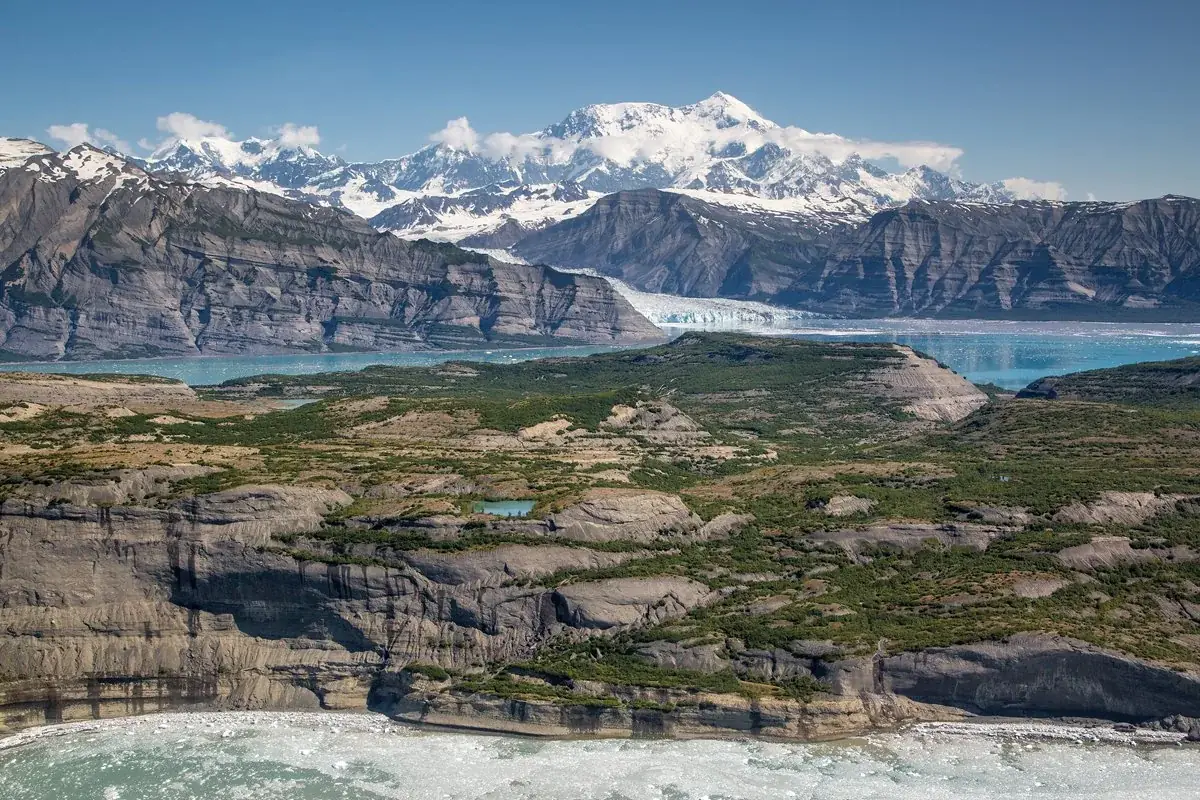


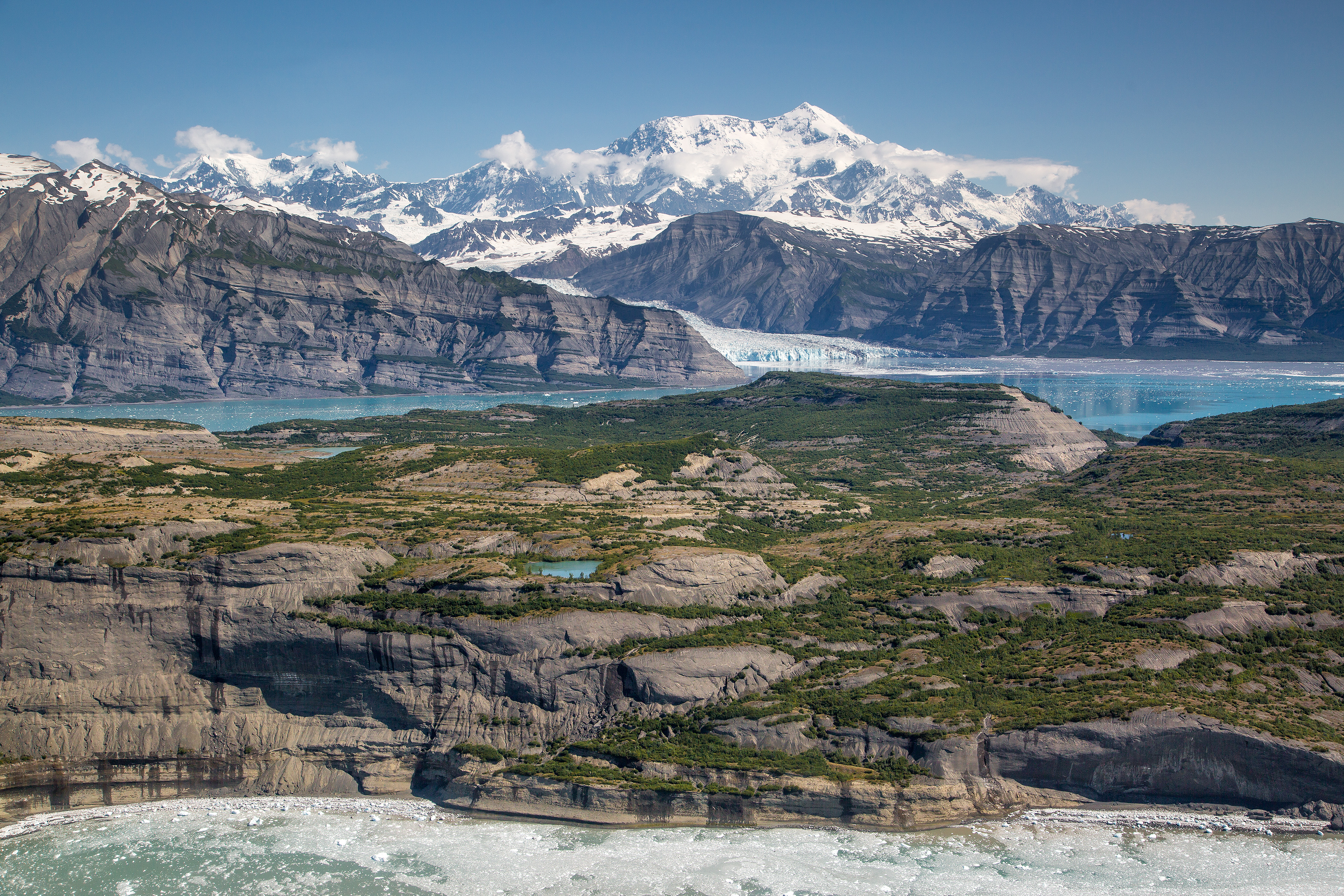
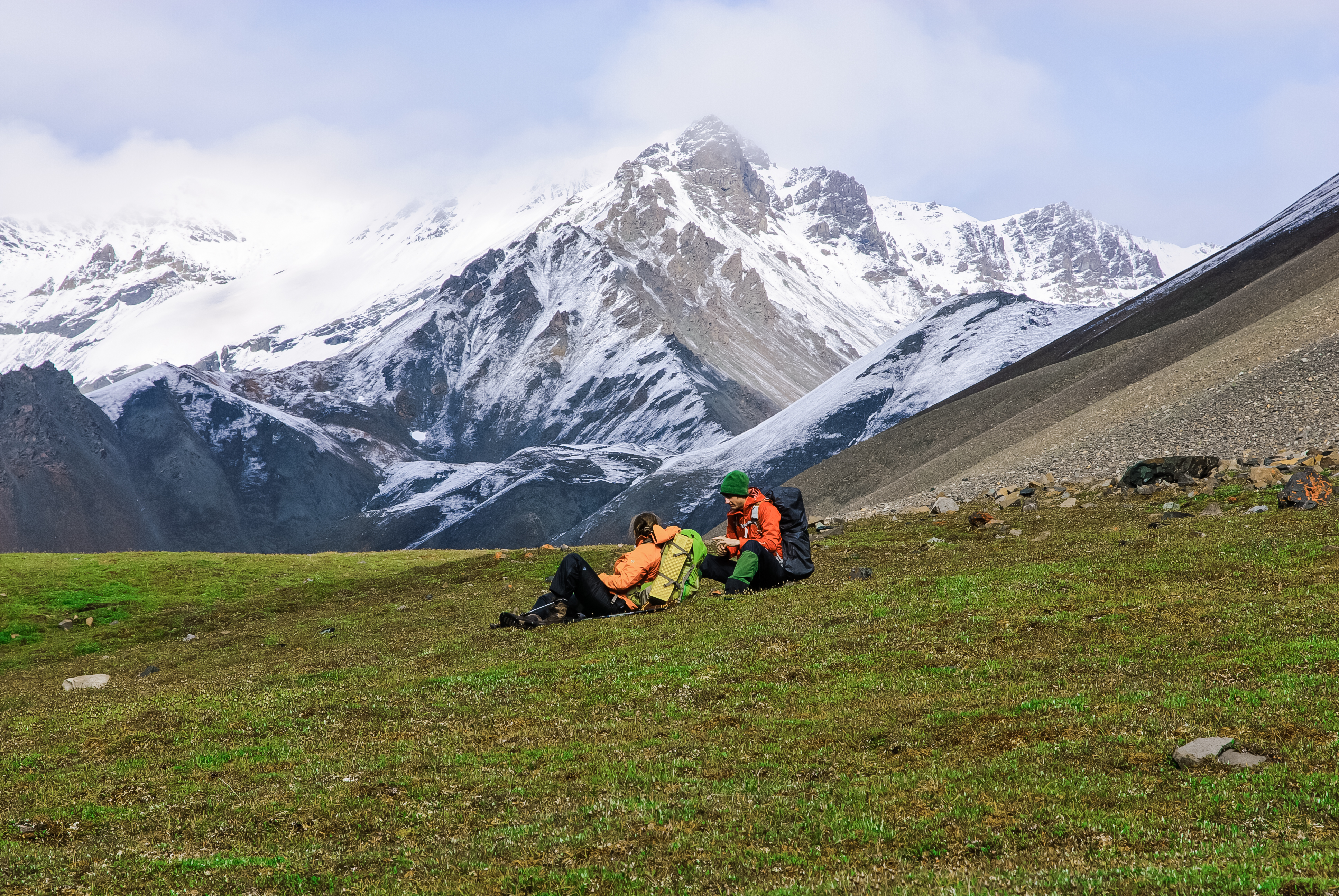
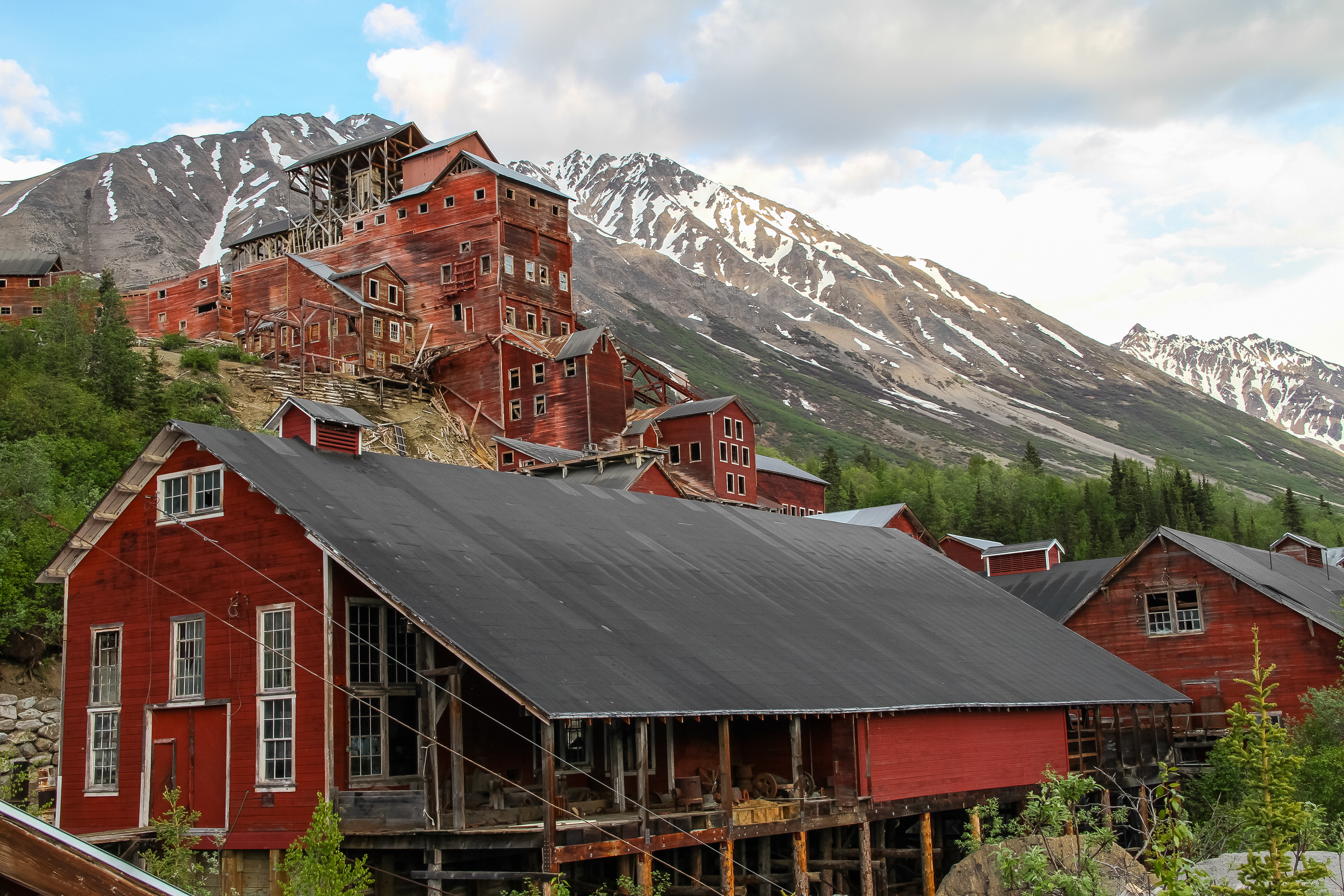
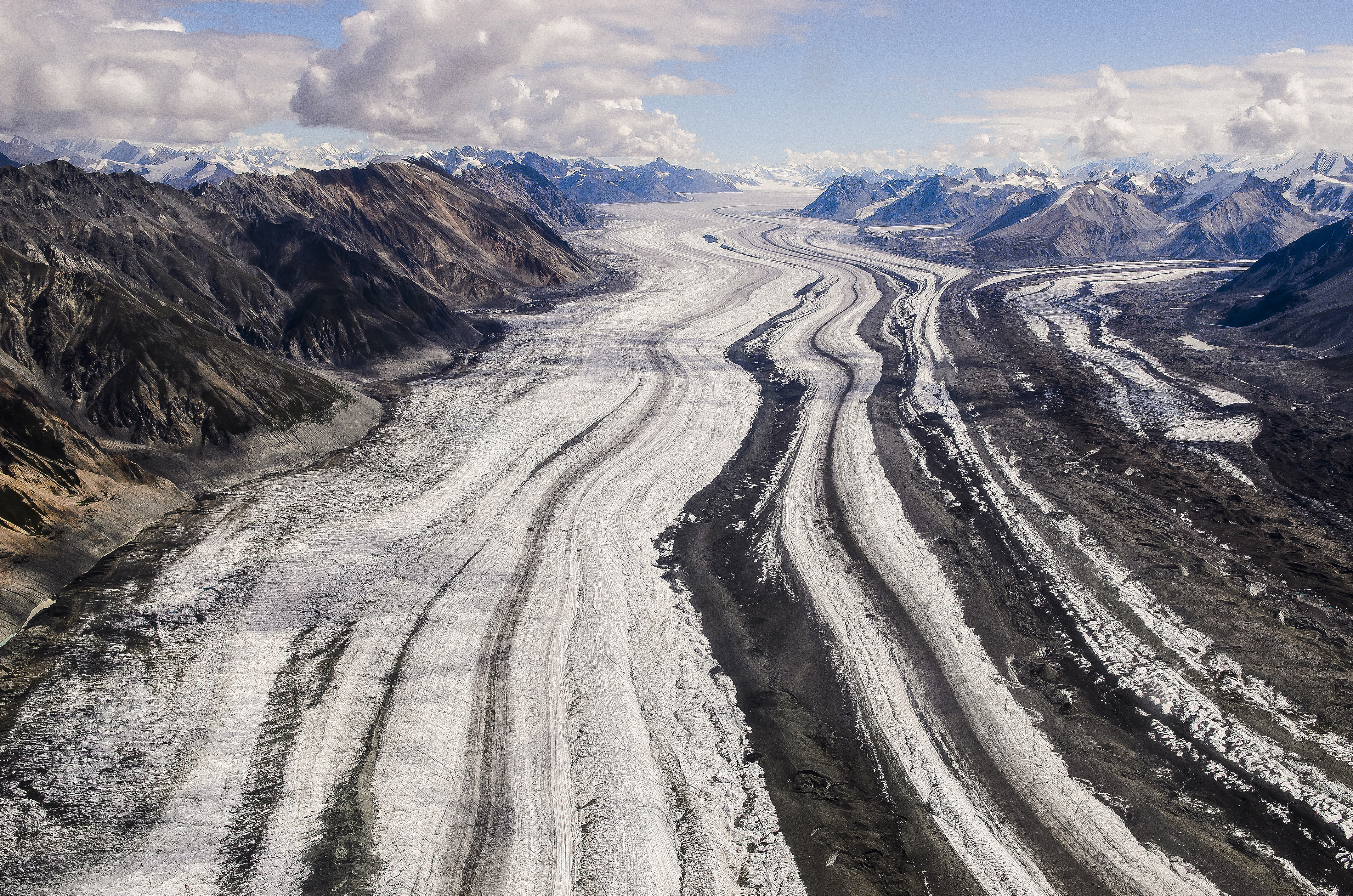
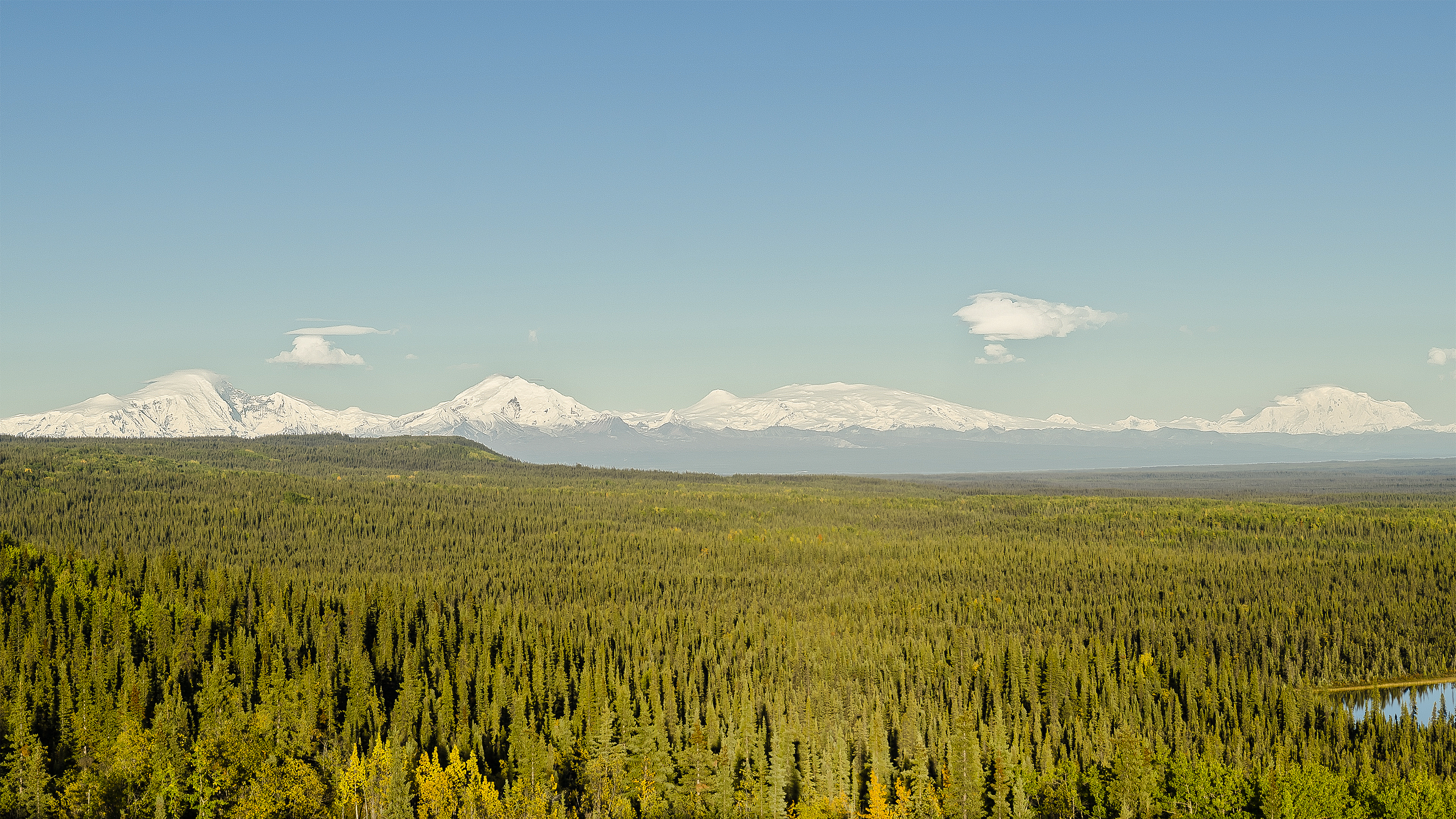
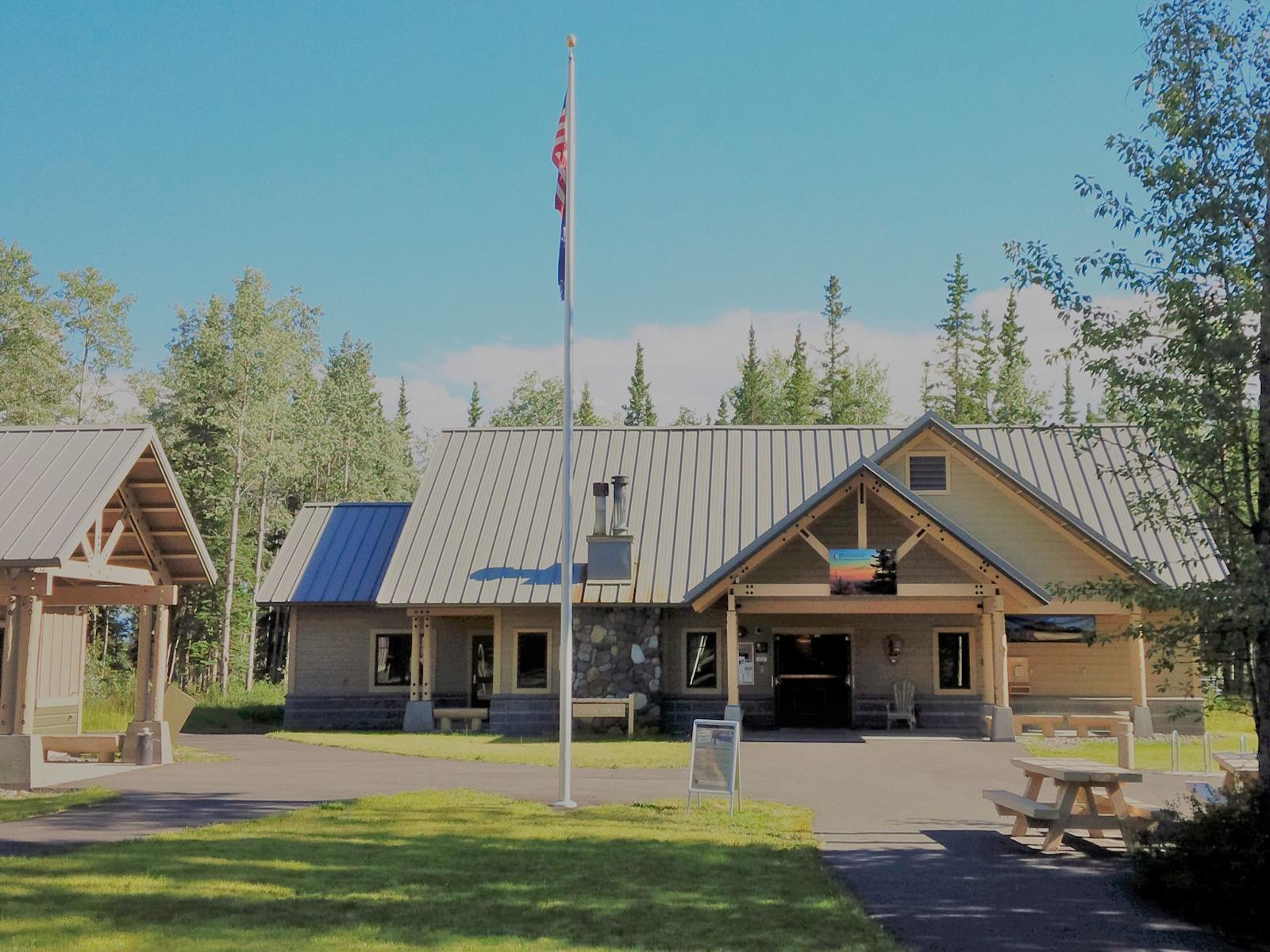


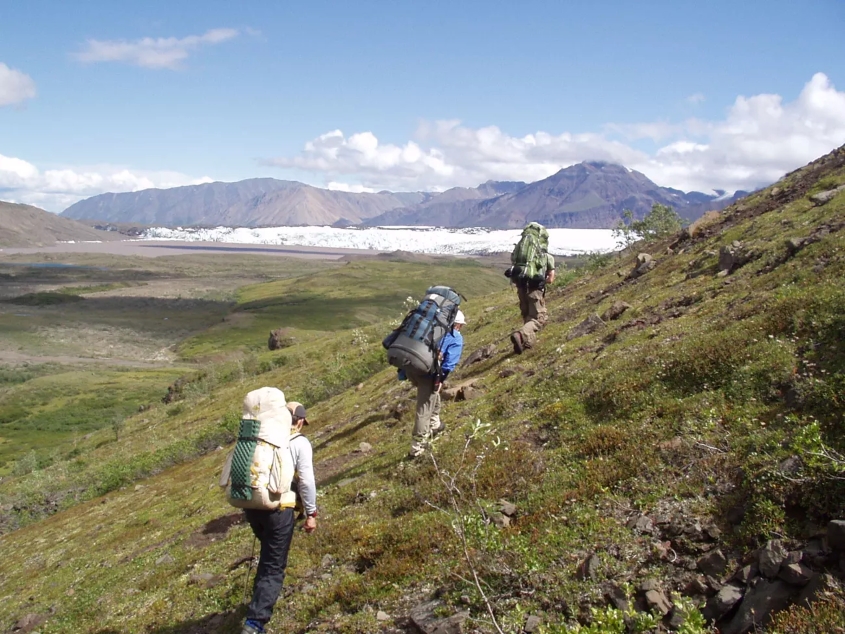
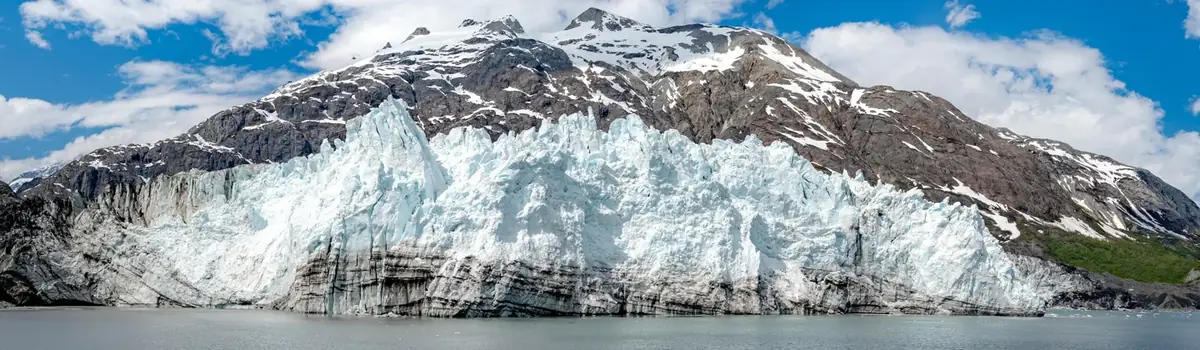 Coast & islands