4 national parks. Choose the landscape and pace that suit your visit.
Colorado’s four national parks offer four distinct starting points: Rocky Mountain’s alpine terrain, Great Sand Dunes’ dunes and mountain backdrop, Black Canyon’s steep canyon views, and Mesa Verde’s ancestral places. Choose the experience and available time before linking them into a road trip.
Compare landscapes and editorial stay recommendations
Stay recommendations are editorial starting points, excluding travel to and from the region. This list covers designated national parks, not all NPS units.
How to shape your trip
A short visit is easier to shape around one park and its gateway. For a multi-park trip, budget separately for travel between regions. At Mesa Verde, consult official tour information before building a day around a particular cliff dwelling.
High-country roads, dune surfaces and mesa access have different seasonal constraints. Nearby-town normals are useful for comparing temperature and daylight, but elevation, snow and exposed terrain can change the conditions at your actual destination.
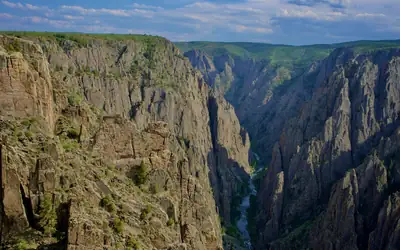
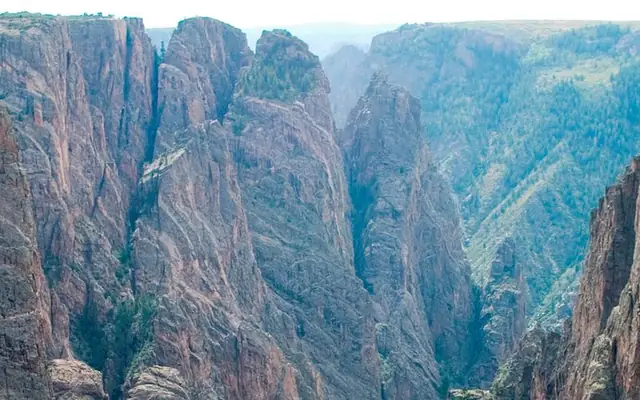
Big enough to be overwhelming, yet still intimate enough to feel the pulse of time. Come see some of the steepest cliffs, oldest rock, and craggiest spires in North America. Forces of nature and the Gunnison River sculpted this canyon over two million years. The result is a vertical wilderness of rock, water, and sky.
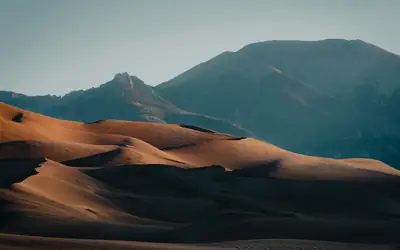
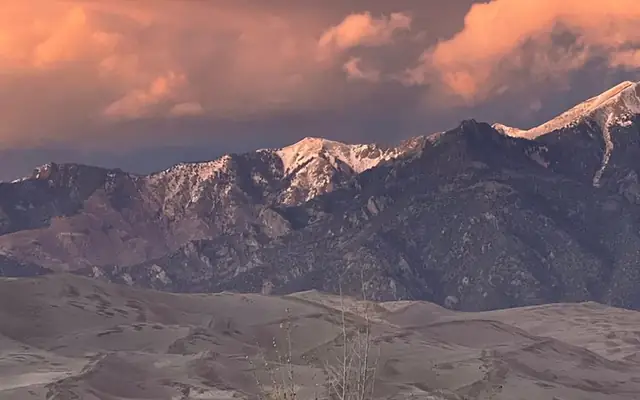
The tallest dunes in North America are the centerpiece in a diverse landscape of grasslands, wetlands, forests, alpine lakes, and tundra. Stay on a moonless night to experience countless stars in this International Dark Sky Park!
Open 24 hours a day, 7 days a week year-round.
There are no timed entries or reservations to visit.
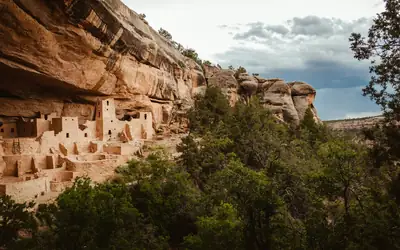
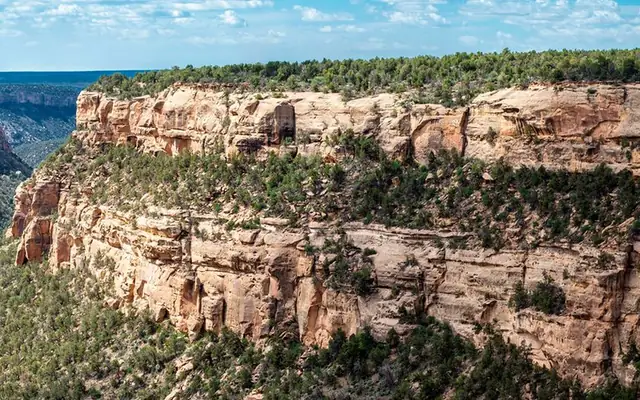
For over 700 years, the Ancestral Pueblo people built thriving communities on the mesas and in the cliffs of Mesa Verde. Today, the park protects the rich cultural heritage of 27 Pueblos and Tribes and offers visitors a spectacular window into the past. This World Heritage Site and International Dark Sky Park is home to over a thousand species, including several that live nowhere else on earth.
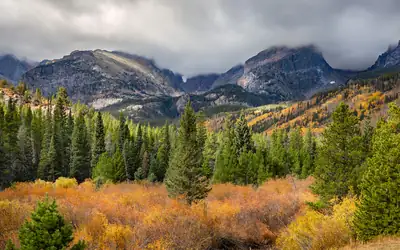
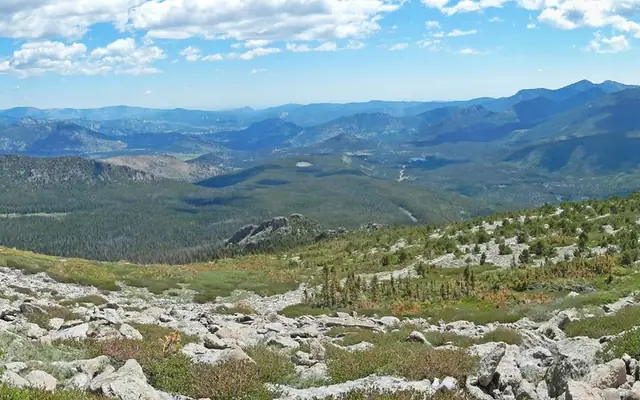
Located in northern Colorado, visitors to Rocky Mountain National Park can explore over 415 square miles (265,807 acres) within the Southern Rocky Mountains. From montane meadows to subalpine forests and mountain peaks in the alpine tundra, there is something for everyone to discover.